



Returning to Work After Injury
How Occupational Therapy Helps You Relearn Safe and Efficient Movement Patterns
Returning to work after injury can feel overwhelming for adults who are eager to resume their normal routine but unsure how to manage lingering pain, reduced strength, or limited mobility. Many individuals discover that the movements and tasks they once performed without thought now require extra caution and physical awareness. Returning to work after injury requires a safe, structured plan that prioritizes healing while restoring the ability to complete job-specific activities confidently. This is where personalized interventions such as occupational therapy become essential in helping individuals transition back to work successfully.
Returning to work after injury often presents physical and emotional challenges, especially when job demands involve lifting, repetitive tasks, prolonged standing, computer work, or specialized motor skills. Without proper guidance, individuals risk reinjury, compensation patterns, or chronic pain that can interfere with long-term success. Returning to work after injury becomes far more achievable when adults receive structured training that focuses on mechanics, ergonomics, and functional strength needed for everyday workplace tasks. Through targeted support, occupational therapy helps individuals relearn efficient movement patterns that protect the body and support long-term recovery.
Why Returning to Work After Injury Requires Relearning Functional and Efficient Movement Patterns
Returning to work after injury involves more than simply waiting for pain to subside. It requires rebuilding the skills necessary to safely perform tasks at the level the job requires. When injuries affect muscles, joints, or nerves, the body compensates by relying on altered, inefficient movement patterns that increase stress on surrounding areas. These compensations may allow individuals to complete tasks temporarily, but they put them at risk of reinjury. Returning to work after injury demands proper retraining to restore strength, coordination, and safe movements.
Ergonomics and Occupational Therapy
For many people, workplace tasks involve repetitive motions that can worsen symptoms if performed incorrectly. Returning to work after injury requires education on body mechanics, lifting form, joint protection strategies, and posture correction. Through customized sessions, occupational therapy assesses job demands and helps individuals develop safe, sustainable movement patterns that align with their physical capabilities. This prevents chronic strain and promotes long-term function.
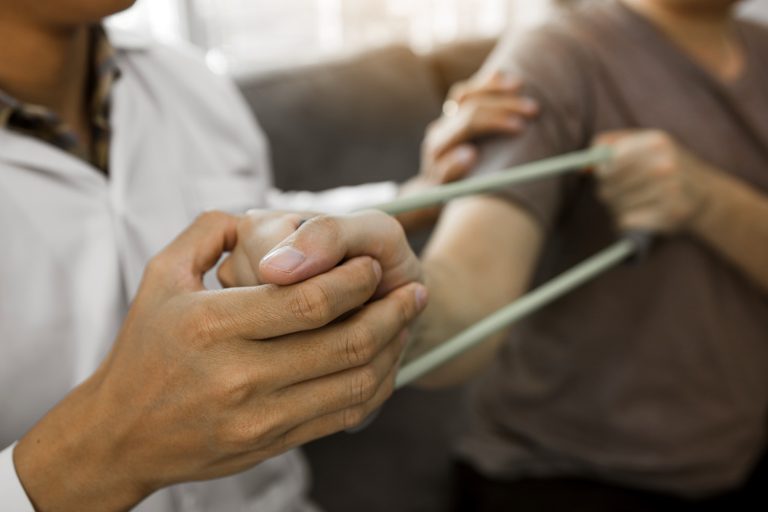
Returning to work after injury also requires rebuilding confidence. Injuries often lead to fear-based avoidance of certain movements or activities. Without proper guidance, this fear can limit productivity and contribute to ongoing discomfort. By providing hands-on training, functional exercises, and gradual exposure to real-world tasks, occupational therapy helps individuals regain trust in their bodies and return to work with greater assurance.
How Returning to Work After Injury Is Improved Through Ergonomic Retraining and On-the-Job Adaptation
Returning to work after injury is greatly supported through ergonomic retraining. Many work environments contribute to musculoskeletal strain due to poor workstation setup, improper lifting techniques, or repetitive motion tasks. Ergonomic retraining teaches individuals how to position their bodies, tools, and equipment to minimize stress on healing tissues. By identifying risk factors and implementing corrective adjustments, occupational therapy helps individuals prevent reinjury and improve overall comfort.
Returning to work after injury also benefits from functional capacity development. This involves gradually rebuilding strength, endurance, balance, and coordination necessary for job-specific tasks. Functional capacity exercises often include simulated workplace activities such as lifting, carrying, reaching, pushing, or kneeling. By recreating real-world scenarios, occupational therapy helps individuals safely practice the movements they’ll need on the job while minimizing reinjury risk.
Returning to work after injury further improves through on-the-job adaptations and customized modifications. Occupational therapists frequently recommend adjustments such as adaptive equipment, modified tools, or environmental changes that reduce strain. Examples include:
- Adjustable seating or standing desks
- Supportive ergonomic tools for lifting or gripping
- Modified keyboard or mouse setups
- Anti-fatigue mats for prolonged standing
- Wrist supports or joint protection splints
These modifications help individuals work more efficiently while reducing stress on healing tissues, allowing returning to work after injury to feel less physically demanding.
Key Elements That Support Returning to Work After Injury Through Safe and Efficient Mechanics
Returning to work after injury requires mastery of proper lifting mechanics. When individuals lift incorrectly, they place excessive strain on the back, shoulders, and knees—areas already vulnerable after injury. Through skill-building guided by occupational therapy, individuals learn to use their legs rather than their back, maintain neutral spine positions, and engage their core to stabilize movements. These strategies prevent reinjury and improve long-term musculoskeletal resilience.
Returning to work after injury also depends on posture retraining. Many workplace environments require extended periods of sitting, standing, or leaning, which can worsen pain if not performed with proper alignment. Occupational therapy interventions help individuals understand how subtle posture adjustments can significantly reduce strain. This includes improving workstation setup, adjusting monitor height, optimizing chair support, and learning movement breaks that reduce stiffness.
Returning to work after injury requires improved joint protection strategies. People with knee, shoulder, or wrist injuries must avoid repetitive motions that overload healing areas. Through targeted guidance, occupational therapy teaches individuals how to distribute force evenly during tasks, avoid overuse patterns, and modify grips or lifts to minimize strain. These strategies help protect vulnerable joints and support long-term work endurance.
Functional Capacity and Strength Development for Returning to Work After Injury
Returning to work after injury also relies on functional strength rebuilding. Strength must be regained gradually and intentionally, especially if muscles have weakened during recovery. Occupational therapists design personalized programs focusing on job-specific muscle groups to ensure individuals can meet the physical demands of their work. Strength building often includes:
- Grip and forearm strengthening
- Core stability exercises to protect the spine
- Leg and hip strengthening for lifting tasks
- Shoulder stability exercises for reaching or overhead work
This targeted approach ensures returning to work after injury feels more manageable and reduces the risk of flare-ups.
Returning to work after injury requires attention to endurance training. Many individuals fatigue quickly after time away from work due to decreased conditioning. Occupational therapists gradually increase endurance levels by incorporating repetitive functional tasks, simulated job duties, and pacing strategies into treatment plans. This helps individuals sustain performance throughout the workday without overwhelming their recovering bodies.
Returning to work after injury further benefits from cognitive and organizational support when needed. Workplace injuries can also impact focus, memory, or task sequencing, especially after concussions or neurological injuries. Through structured training and compensatory strategy development, occupational therapy helps improve workplace cognition and task management.
Returning to work after injury becomes safer, easier, and more sustainable with the right support. At Kinetic Physical Therapy and Wellness, personalized occupational therapy helps individuals rebuild strength, restore safe movement patterns, and regain confidence in their ability to perform job tasks without pain or reinjury. If you’re ready to return to work stronger and more prepared than ever, schedule your occupational therapy appointment today and take the next step toward long-term recovery and success.
Striving for greater independence and a better quality of life? Discover the benefits of personalized Occupational Therapy at Kinetic Physical Therapy and Wellness in Greenville, NC! Our dedicated therapists provide individualized care to help you regain the skills and confidence needed for daily activities, whether you’re recovering from an injury, managing a chronic condition, or adapting to new challenges. Take the next step toward independence—schedule your Occupational Therapy session today and start your journey to a more fulfilling life!
Please Share
Facebook
Twitter
LinkedIn
categories
Recent Posts


Returning to Work After Injury
How Occupational Therapy Helps You Relearn Safe and Efficient Movement Patterns
Returning to work after injury can feel overwhelming for adults who are eager to resume their normal routine but unsure how to manage lingering pain, reduced strength, or limited mobility. Many individuals discover that the movements and tasks they once performed without thought now require extra caution and physical awareness. Returning to work after injury requires a safe, structured plan that prioritizes healing while restoring the ability to complete job-specific activities confidently. This is where personalized interventions such as occupational therapy become essential in helping individuals transition back to work successfully.
Returning to work after injury often presents physical and emotional challenges, especially when job demands involve lifting, repetitive tasks, prolonged standing, computer work, or specialized motor skills. Without proper guidance, individuals risk reinjury, compensation patterns, or chronic pain that can interfere with long-term success. Returning to work after injury becomes far more achievable when adults receive structured training that focuses on mechanics, ergonomics, and functional strength needed for everyday workplace tasks. Through targeted support, occupational therapy helps individuals relearn efficient movement patterns that protect the body and support long-term recovery.
Why Returning to Work After Injury Requires Relearning Functional and Efficient Movement Patterns
Returning to work after injury involves more than simply waiting for pain to subside. It requires rebuilding the skills necessary to safely perform tasks at the level the job requires. When injuries affect muscles, joints, or nerves, the body compensates by relying on altered, inefficient movement patterns that increase stress on surrounding areas. These compensations may allow individuals to complete tasks temporarily, but they put them at risk of reinjury. Returning to work after injury demands proper retraining to restore strength, coordination, and safe movements.
Ergonomics and Occupational Therapy
For many people, workplace tasks involve repetitive motions that can worsen symptoms if performed incorrectly. Returning to work after injury requires education on body mechanics, lifting form, joint protection strategies, and posture correction. Through customized sessions, occupational therapy assesses job demands and helps individuals develop safe, sustainable movement patterns that align with their physical capabilities. This prevents chronic strain and promotes long-term function.
Returning to work after injury also requires rebuilding confidence. Injuries often lead to fear-based avoidance of certain movements or activities. Without proper guidance, this fear can limit productivity and contribute to ongoing discomfort. By providing hands-on training, functional exercises, and gradual exposure to real-world tasks, occupational therapy helps individuals regain trust in their bodies and return to work with greater assurance.
How Returning to Work After Injury Is Improved Through Ergonomic Retraining and On-the-Job Adaptation
Returning to work after injury is greatly supported through ergonomic retraining. Many work environments contribute to musculoskeletal strain due to poor workstation setup, improper lifting techniques, or repetitive motion tasks. Ergonomic retraining teaches individuals how to position their bodies, tools, and equipment to minimize stress on healing tissues. By identifying risk factors and implementing corrective adjustments, occupational therapy helps individuals prevent reinjury and improve overall comfort.
Returning to work after injury also benefits from functional capacity development. This involves gradually rebuilding strength, endurance, balance, and coordination necessary for job-specific tasks. Functional capacity exercises often include simulated workplace activities such as lifting, carrying, reaching, pushing, or kneeling. By recreating real-world scenarios, occupational therapy helps individuals safely practice the movements they’ll need on the job while minimizing reinjury risk.
Returning to work after injury further improves through on-the-job adaptations and customized modifications. Occupational therapists frequently recommend adjustments such as adaptive equipment, modified tools, or environmental changes that reduce strain. Examples include:
- Adjustable seating or standing desks
- Supportive ergonomic tools for lifting or gripping
- Modified keyboard or mouse setups
- Anti-fatigue mats for prolonged standing
- Wrist supports or joint protection splints
These modifications help individuals work more efficiently while reducing stress on healing tissues, allowing returning to work after injury to feel less physically demanding.
Key Elements That Support Returning to Work After Injury Through Safe and Efficient Mechanics
Returning to work after injury requires mastery of proper lifting mechanics. When individuals lift incorrectly, they place excessive strain on the back, shoulders, and knees—areas already vulnerable after injury. Through skill-building guided by occupational therapy, individuals learn to use their legs rather than their back, maintain neutral spine positions, and engage their core to stabilize movements. These strategies prevent reinjury and improve long-term musculoskeletal resilience.
Returning to work after injury also depends on posture retraining. Many workplace environments require extended periods of sitting, standing, or leaning, which can worsen pain if not performed with proper alignment. Occupational therapy interventions help individuals understand how subtle posture adjustments can significantly reduce strain. This includes improving workstation setup, adjusting monitor height, optimizing chair support, and learning movement breaks that reduce stiffness.
Returning to work after injury requires improved joint protection strategies. People with knee, shoulder, or wrist injuries must avoid repetitive motions that overload healing areas. Through targeted guidance, occupational therapy teaches individuals how to distribute force evenly during tasks, avoid overuse patterns, and modify grips or lifts to minimize strain. These strategies help protect vulnerable joints and support long-term work endurance.
Functional Capacity and Strength Development for Returning to Work After Injury
Returning to work after injury also relies on functional strength rebuilding. Strength must be regained gradually and intentionally, especially if muscles have weakened during recovery. Occupational therapists design personalized programs focusing on job-specific muscle groups to ensure individuals can meet the physical demands of their work. Strength building often includes:
- Grip and forearm strengthening
- Core stability exercises to protect the spine
- Leg and hip strengthening for lifting tasks
- Shoulder stability exercises for reaching or overhead work
This targeted approach ensures returning to work after injury feels more manageable and reduces the risk of flare-ups.
Returning to work after injury requires attention to endurance training. Many individuals fatigue quickly after time away from work due to decreased conditioning. Occupational therapists gradually increase endurance levels by incorporating repetitive functional tasks, simulated job duties, and pacing strategies into treatment plans. This helps individuals sustain performance throughout the workday without overwhelming their recovering bodies.
Returning to work after injury further benefits from cognitive and organizational support when needed. Workplace injuries can also impact focus, memory, or task sequencing, especially after concussions or neurological injuries. Through structured training and compensatory strategy development, occupational therapy helps improve workplace cognition and task management.
Returning to work after injury becomes safer, easier, and more sustainable with the right support. At Kinetic Physical Therapy and Wellness, personalized occupational therapy helps individuals rebuild strength, restore safe movement patterns, and regain confidence in their ability to perform job tasks without pain or reinjury. If you’re ready to return to work stronger and more prepared than ever, schedule your occupational therapy appointment today and take the next step toward long-term recovery and success.
Striving for greater independence and a better quality of life? Discover the benefits of personalized Occupational Therapy at Kinetic Physical Therapy and Wellness in Greenville, NC! Our dedicated therapists provide individualized care to help you regain the skills and confidence needed for daily activities, whether you’re recovering from an injury, managing a chronic condition, or adapting to new challenges. Take the next step toward independence—schedule your Occupational Therapy session today and start your journey to a more fulfilling life!
Please Share
Facebook
Twitter
LinkedIn