


Occupational Therapy Strategies for Improving Fine Motor Skills in Adults with Arthritis or Joint Stiffness
Occupational therapy strategies for improving fine motor skills are essential for adults living with arthritis or joint stiffness, because even small daily tasks can become difficult when the hands, wrists, and fingers lose strength or mobility. Conditions such as osteoarthritis, rheumatoid arthritis, and chronic joint inflammation can restrict dexterity, making it challenging to button clothing, write, cook, type, or perform hobbies that once felt effortless. Occupational therapy strategies for improving fine motor skills help restore function by strengthening the small muscles of the hands, improving joint mobility, reducing strain patterns, and enhancing coordination—all of which make daily tasks easier and more comfortable.
Occupational therapy strategies for improving fine motor skills take a holistic approach to addressing arthritis-related limitations. Adults with joint stiffness often compensate by using incorrect movement patterns or overworking larger muscles, which increases pain and further reduces dexterity. Through personalized training, custom exercises, and adaptive technique development, occupational therapy helps adults relearn efficient, pain-free ways to perform daily tasks. For individuals in Greenville, NC, these strategies provide a powerful way to remain independent and active while protecting the joints from additional stress and progressive stiffness.
Why Occupational Therapy Strategies for Improving Fine Motor Skills Matter for Adults With Arthritis
Occupational therapy strategies for improving fine motor skills are essential because arthritis affects not only joint mobility but also strength, endurance, and sensory feedback. When swelling, stiffness, or inflammation limits hand motion, the hands lose their natural rhythm and fluidity. Tasks such as opening jars, fastening jewelry, typing, or cooking require both precision and stability—skills that diminish when arthritis disrupts normal joint function. By incorporating structured care through occupational therapy, adults can rebuild functional strength and regain control over their daily routines.
Occupational therapy strategies for improving fine motor skills also help prevent secondary pain conditions. When joints hurt or feel weak, individuals tend to compensate by gripping harder, using awkward motions, or avoiding certain tasks altogether. Over time, these compensations lead to fatigue, tendon irritation, and even worsening stiffness. With targeted support from occupational therapy, adults learn safe, efficient ways to use their hands that reduce strain and promote long-term joint health.
Occupational Therapy Techniques to Manage Stress and Anxiety
Occupational therapy strategies for improving fine motor skills are especially beneficial for individuals with chronic joint stiffness because they address the root causes of dexterity decline. Arthritis weakens the intrinsic hand muscles—the small muscles responsible for controlled finger movement. Without intervention, these muscles lose strength, making everyday tasks more frustrating. By focusing on strengthening and coordination activities, occupational therapy helps adults preserve independence and maintain confidence in their abilities.
How Occupational Therapy Strategies for Improving Fine Motor Skills Work to Restore Hand Function
Occupational therapy strategies for improving fine motor skills include targeted exercises, manual techniques, adaptive equipment, and personalized task training that support the hands’ ability to grip, pinch, manipulate, and stabilize objects. These strategies enhance neuromuscular control by teaching the brain and hands to work together more efficiently. For adults with arthritis, maintaining neuromuscular coordination is essential because inflammation and stiffness often disrupt normal communication between the joints and the nervous system. Through structured training provided by occupational therapy, individuals can experience improved precision and smoother movement patterns.
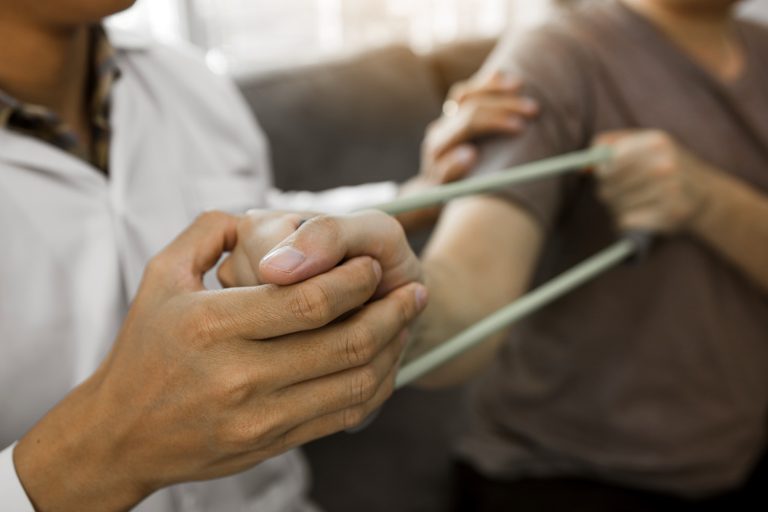
Occupational therapy strategies for improving fine motor skills often include progressive strengthening exercises. These may involve small resistance bands, therapy putty, grip tools, finger extension bands, and coordination challenges that gradually rebuild endurance in the small muscles of the hands. These tools help restore balance between the muscles that open and close the hand, reducing the tension patterns that often accompany arthritis and chronic stiffness.
Occupational therapy strategies for improving fine motor skills also incorporate manual techniques and joint protection strategies. Gentle mobilization helps improve fluid movement in stiff joints, while heat therapy, swelling reduction techniques, and proper positioning strategies make tasks easier and less painful. Many adults benefit from learning how to modify daily activities to reduce stress on inflamed joints, which is a core component of effective occupational therapy.
Practical Occupational Therapy Strategies for Improving Fine Motor Skills
Occupational therapy strategies for improving fine motor skills vary based on each patient’s needs, but several common techniques support better daily function while minimizing discomfort. These include:
- Strengthening exercises using therapy putty or resistance bands
- Finger dexterity tasks such as pegboards, clothespin activities, or coin manipulation
- Joint mobility routines that reduce stiffness in the knuckles and wrists
- Sensory re-education tasks for improved tactile awareness
- Adaptive grip tools for writing, cooking, and grooming
- Task-specific retraining for activities like buttoning, typing, or meal preparation
These methods build confidence and help adults stay engaged in meaningful daily routines without feeling limited by their symptoms.
How Occupational Therapy Strategies for Improving Fine Motor Skills Support Long-Term Joint Health
Occupational therapy strategies for improving fine motor skills support both short-term functional improvements and long-term joint preservation. Many adults with arthritis experience gradual joint deterioration that worsens over time without intervention. Improving fine motor skills not only enhances daily function but also encourages healthier joint movement patterns that reduce stress on inflamed areas. This is especially beneficial for older adults aiming to avoid further joint complications.
Occupational therapy strategies for improving fine motor skills also address inflammation and fatigue management. Because arthritis symptoms fluctuate, individuals must learn how to adjust their activities based on pain levels, stiffness, and overall energy. occupational therapy provides education on pacing, energy conservation, and proper warm-up routines that help adults stay active while avoiding flare-ups.
Occupational therapy strategies for improving fine motor skills further support emotional well-being. Difficulty with daily tasks can create frustration, decreased independence, and reduced confidence. By restoring functional ability and reducing pain, adults often experience improved mood, greater self-reliance, and renewed engagement in hobbies they enjoy.
Occupational therapy strategies for improving fine motor skills offer a powerful path to greater independence, reduced discomfort, and improved daily function for adults with arthritis or chronic stiffness. If you’re ready to regain confidence in your fine motor abilities and learn effective, personalized strategies for long-term joint health, schedule your occupational therapy session with Kinetic Physical Therapy and Wellness today.
Striving for greater independence and a better quality of life? Discover the benefits of personalized Occupational Therapy at Kinetic Physical Therapy and Wellness in Greenville, NC! Our dedicated therapists provide individualized care to help you regain the skills and confidence needed for daily activities, whether you’re recovering from an injury, managing a chronic condition, or adapting to new challenges. Take the next step toward independence—schedule your Occupational Therapy session today and start your journey to a more fulfilling life!
Please Share
Facebook
Twitter
LinkedIn
categories
Recent Posts


Occupational Therapy Strategies for Improving Fine Motor Skills in Adults with Arthritis or Joint Stiffness
Occupational therapy strategies for improving fine motor skills are essential for adults living with arthritis or joint stiffness, because even small daily tasks can become difficult when the hands, wrists, and fingers lose strength or mobility. Conditions such as osteoarthritis, rheumatoid arthritis, and chronic joint inflammation can restrict dexterity, making it challenging to button clothing, write, cook, type, or perform hobbies that once felt effortless. Occupational therapy strategies for improving fine motor skills help restore function by strengthening the small muscles of the hands, improving joint mobility, reducing strain patterns, and enhancing coordination—all of which make daily tasks easier and more comfortable.
Occupational therapy strategies for improving fine motor skills take a holistic approach to addressing arthritis-related limitations. Adults with joint stiffness often compensate by using incorrect movement patterns or overworking larger muscles, which increases pain and further reduces dexterity. Through personalized training, custom exercises, and adaptive technique development, occupational therapy helps adults relearn efficient, pain-free ways to perform daily tasks. For individuals in Greenville, NC, these strategies provide a powerful way to remain independent and active while protecting the joints from additional stress and progressive stiffness.
Why Occupational Therapy Strategies for Improving Fine Motor Skills Matter for Adults With Arthritis
Occupational therapy strategies for improving fine motor skills are essential because arthritis affects not only joint mobility but also strength, endurance, and sensory feedback. When swelling, stiffness, or inflammation limits hand motion, the hands lose their natural rhythm and fluidity. Tasks such as opening jars, fastening jewelry, typing, or cooking require both precision and stability—skills that diminish when arthritis disrupts normal joint function. By incorporating structured care through occupational therapy, adults can rebuild functional strength and regain control over their daily routines.
Occupational therapy strategies for improving fine motor skills also help prevent secondary pain conditions. When joints hurt or feel weak, individuals tend to compensate by gripping harder, using awkward motions, or avoiding certain tasks altogether. Over time, these compensations lead to fatigue, tendon irritation, and even worsening stiffness. With targeted support from occupational therapy, adults learn safe, efficient ways to use their hands that reduce strain and promote long-term joint health.
Occupational Therapy Techniques to Manage Stress and Anxiety
Occupational therapy strategies for improving fine motor skills are especially beneficial for individuals with chronic joint stiffness because they address the root causes of dexterity decline. Arthritis weakens the intrinsic hand muscles—the small muscles responsible for controlled finger movement. Without intervention, these muscles lose strength, making everyday tasks more frustrating. By focusing on strengthening and coordination activities, occupational therapy helps adults preserve independence and maintain confidence in their abilities.
How Occupational Therapy Strategies for Improving Fine Motor Skills Work to Restore Hand Function
Occupational therapy strategies for improving fine motor skills include targeted exercises, manual techniques, adaptive equipment, and personalized task training that support the hands’ ability to grip, pinch, manipulate, and stabilize objects. These strategies enhance neuromuscular control by teaching the brain and hands to work together more efficiently. For adults with arthritis, maintaining neuromuscular coordination is essential because inflammation and stiffness often disrupt normal communication between the joints and the nervous system. Through structured training provided by occupational therapy, individuals can experience improved precision and smoother movement patterns.
Occupational therapy strategies for improving fine motor skills often include progressive strengthening exercises. These may involve small resistance bands, therapy putty, grip tools, finger extension bands, and coordination challenges that gradually rebuild endurance in the small muscles of the hands. These tools help restore balance between the muscles that open and close the hand, reducing the tension patterns that often accompany arthritis and chronic stiffness.
Occupational therapy strategies for improving fine motor skills also incorporate manual techniques and joint protection strategies. Gentle mobilization helps improve fluid movement in stiff joints, while heat therapy, swelling reduction techniques, and proper positioning strategies make tasks easier and less painful. Many adults benefit from learning how to modify daily activities to reduce stress on inflamed joints, which is a core component of effective occupational therapy.
Practical Occupational Therapy Strategies for Improving Fine Motor Skills
Occupational therapy strategies for improving fine motor skills vary based on each patient’s needs, but several common techniques support better daily function while minimizing discomfort. These include:
- Strengthening exercises using therapy putty or resistance bands
- Finger dexterity tasks such as pegboards, clothespin activities, or coin manipulation
- Joint mobility routines that reduce stiffness in the knuckles and wrists
- Sensory re-education tasks for improved tactile awareness
- Adaptive grip tools for writing, cooking, and grooming
- Task-specific retraining for activities like buttoning, typing, or meal preparation
These methods build confidence and help adults stay engaged in meaningful daily routines without feeling limited by their symptoms.
How Occupational Therapy Strategies for Improving Fine Motor Skills Support Long-Term Joint Health
Occupational therapy strategies for improving fine motor skills support both short-term functional improvements and long-term joint preservation. Many adults with arthritis experience gradual joint deterioration that worsens over time without intervention. Improving fine motor skills not only enhances daily function but also encourages healthier joint movement patterns that reduce stress on inflamed areas. This is especially beneficial for older adults aiming to avoid further joint complications.
Occupational therapy strategies for improving fine motor skills also address inflammation and fatigue management. Because arthritis symptoms fluctuate, individuals must learn how to adjust their activities based on pain levels, stiffness, and overall energy. occupational therapy provides education on pacing, energy conservation, and proper warm-up routines that help adults stay active while avoiding flare-ups.
Occupational therapy strategies for improving fine motor skills further support emotional well-being. Difficulty with daily tasks can create frustration, decreased independence, and reduced confidence. By restoring functional ability and reducing pain, adults often experience improved mood, greater self-reliance, and renewed engagement in hobbies they enjoy.
Occupational therapy strategies for improving fine motor skills offer a powerful path to greater independence, reduced discomfort, and improved daily function for adults with arthritis or chronic stiffness. If you’re ready to regain confidence in your fine motor abilities and learn effective, personalized strategies for long-term joint health, schedule your occupational therapy session with Kinetic Physical Therapy and Wellness today.
Striving for greater independence and a better quality of life? Discover the benefits of personalized Occupational Therapy at Kinetic Physical Therapy and Wellness in Greenville, NC! Our dedicated therapists provide individualized care to help you regain the skills and confidence needed for daily activities, whether you’re recovering from an injury, managing a chronic condition, or adapting to new challenges. Take the next step toward independence—schedule your Occupational Therapy session today and start your journey to a more fulfilling life!
Please Share
Facebook
Twitter
LinkedIn

You May Also Like