



Massage Therapy for Chronic Muscle Tightness
TL;DR
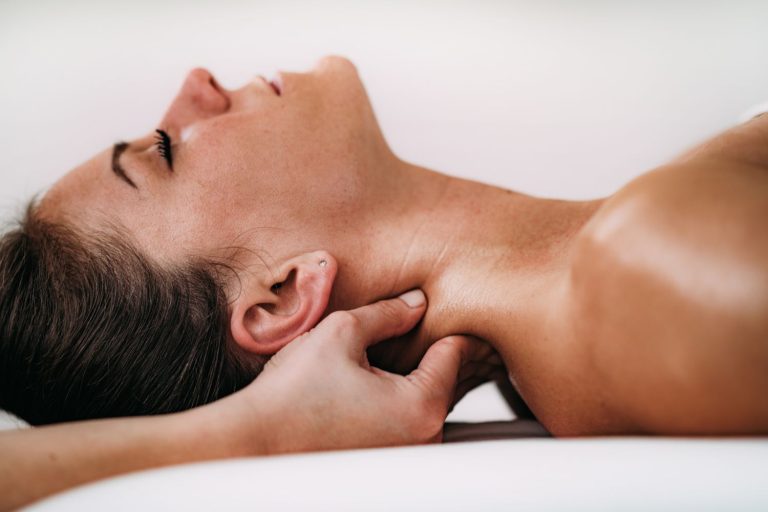
If you constantly feel tight muscles despite stretching every day, you’re not alone. Chronic muscle tightness is often caused by factors that stretching alone cannot address, including muscle knots, trigger points, fascial restrictions, poor posture, stress, and old injuries. Massage therapy for chronic muscle tightness helps release tension deep within the muscles and connective tissues, improves circulation, promotes relaxation, and restores mobility. When combined with physical therapy, massage therapy can provide long-term relief and help you move more comfortably and confidently.
Massage Therapy for Chronic Muscle Tightness in Greenville, NC
Many people experience chronic muscle tightness that seems to linger no matter how often they stretch. You may feel tension in your neck after working at a computer all day, stiffness in your lower back after sitting for long periods, or tight hamstrings that never seem to loosen up. While stretching can certainly help, it often provides only temporary relief.
This is where massage therapy for chronic muscle tightness can make a significant difference. By addressing the underlying causes of muscle tension, massage therapy helps improve mobility, reduce discomfort, and restore normal movement patterns. At Kinetic Physical Therapy and Wellness in Greenville, NC, our team understands that lasting relief often requires more than a simple stretching routine.
Let’s take a closer look at why chronic muscle tightness develops and how massage therapy can help.
What Is Chronic Muscle Tightness?
Chronic muscle tightness refers to persistent tension within muscles that lasts for weeks, months, or even years. Unlike temporary stiffness after a workout, chronic tightness often continues despite rest and self-care efforts.
Understanding the Difference Between Tightness and Muscle Injury
Many people confuse muscle tightness with an actual injury, but they are not always the same.
Muscle tightness often involves:
- Persistent tension or stiffness
- Reduced flexibility
- Difficulty moving through a full range of motion
- Aching or discomfort
Muscle injuries such as strains or sprains may involve:
- Sudden pain
- Swelling
- Bruising
- Weakness
- Limited function
If pain is severe, worsening, or accompanied by numbness or weakness, professional evaluation is recommended.
Common Causes of Chronic Muscle Tightness
Several factors can contribute to ongoing muscle tension, including:
- Poor posture while sitting or standing
- Repetitive work-related movements
- Emotional stress and anxiety
- Sedentary lifestyles
- Previous injuries
- Athletic overuse – Athletes frequently experience chronic muscle tightness due to repetitive training, inadequate recovery, and overuse of specific muscle groups. Learning more about massage therapy for athletes can help active individuals understand how targeted treatment supports performance and recovery.
- Muscle imbalances
- Inadequate recovery between activities
Often, multiple factors combine to create a cycle of tightness that becomes difficult to break without professional treatment.
Areas Most Commonly Affected
Chronic muscle tightness can occur almost anywhere in the body, but some areas are especially vulnerable:
- Neck and shoulders
- Upper back
- Lower back
- Hips and glutes
- Calves
- Hamstrings
- Forearms and wrists
These areas are frequently affected because they are heavily involved in daily movement and posture.
Why Stretching Isn’t Always Enough
Stretching is an important component of maintaining flexibility, but it is not always enough to resolve chronic muscle tightness.
The Limitations of Stretching Alone
Stretching primarily targets muscle length, but it may not address deeper issues that contribute to ongoing tension.
Common limitations include:
- Relief may only be temporary
- Underlying tissue restrictions remain unchanged
- Tightness often returns quickly
- Inflamed tissues may resist stretching
- Muscle guarding can limit effectiveness
Many people find themselves stretching the same muscles every day without experiencing lasting improvements.
Hidden Factors That Contribute to Persistent Tightness
Several underlying issues can create stubborn muscle tension.
Scar Tissue and Adhesions
Past injuries can leave behind scar tissue that limits normal tissue movement and flexibility.
Trigger Points
Trigger points are sensitive knots within muscle fibers that can cause pain and stiffness locally or in other parts of the body.
Fascial Restrictions
Fascia is the connective tissue surrounding muscles. Restrictions within the fascia can significantly limit movement and contribute to tightness.
Muscle Imbalances
Weak muscles and overactive muscles often work together to create tension and poor movement patterns.
Poor Movement Mechanics
Improper movement habits can continually reinforce tightness and discomfort.
Signs You Need More Than a Stretching Routine
You may benefit from professional treatment if:
- Tightness returns shortly after stretching
- Range of motion continues to decrease
- Muscle knots are frequently present
- Daily activities are becoming difficult
- Pain accompanies the tightness
- You experience recurring injuries
These signs often indicate that deeper soft tissue restrictions need to be addressed.
How Massage Therapy Helps Relieve Chronic Muscle Tightness
Massage therapy offers a comprehensive approach to treating muscle tension by targeting both symptoms and underlying causes.
Improving Blood Flow and Circulation
One of the primary benefits of massage therapy for chronic muscle tightness is improved circulation.
Enhanced blood flow helps:
- Deliver oxygen to tissues
- Supply nutrients needed for recovery
- Remove metabolic waste products
- Reduce muscle fatigue
- Promote healing
Improved circulation supports healthier, more responsive muscle tissue.
Releasing Muscle Knots and Trigger Points
Trigger points often develop due to repetitive stress, overuse, or prolonged muscle contraction.
Massage therapists use targeted pressure techniques to:
- Release muscle knots
- Reduce tenderness
- Restore normal muscle function
- Improve flexibility
- Decrease referred pain patterns
Many patients notice immediate improvements in mobility after trigger point therapy.
Reducing Fascial Restrictions
Fascia forms a complex network throughout the body. When fascia becomes restricted, it can pull on surrounding tissues and create significant tension.
Techniques such as myofascial release help:
- Improve tissue mobility
- Restore flexibility
- Reduce restrictions
- Enhance movement efficiency
By addressing fascial limitations, massage therapy can provide deeper and longer-lasting relief.
Supporting Nervous System Relaxation
Stress often plays a major role in chronic muscle tightness.
Massage therapy helps activate the body’s relaxation response by:
- Reducing stress hormones
- Lowering muscle guarding
- Promoting relaxation
- Supporting recovery
- Improving sleep quality
A calmer nervous system often translates into reduced muscle tension throughout the body.
Benefits of Massage Therapy for Chronic Muscle Tightness
The benefits of massage therapy extend far beyond simple relaxation.
Increased Flexibility and Mobility
When muscle restrictions are reduced, movement becomes easier and more comfortable.
Benefits include:
- Improved joint mobility
- Greater flexibility
- Better athletic performance
- Enhanced daily function
- Reduced movement limitations
Patients often notice they can move more freely after consistent treatment.
Reduced Pain and Discomfort
Chronic muscle tension frequently contributes to ongoing pain.
Massage therapy can help reduce:
- Neck pain
- Shoulder pain
- Back pain
- Tension headaches
- General muscle soreness
Many individuals experience significant improvements in comfort and overall quality of life.
Better Posture and Movement Patterns
Tight muscles often pull the body out of proper alignment.
Massage therapy can help:
- Improve posture
- Restore muscle balance
- Increase body awareness
- Reduce compensatory movements
- Promote healthier movement habits
These improvements can contribute to long-term musculoskeletal health.
Faster Recovery from Physical Activity
Athletes and active individuals often rely on massage therapy to support recovery.
Benefits include:
- Reduced muscle soreness
- Improved circulation
- Enhanced tissue recovery
- Better performance
- Lower injury risk
Whether you’re a competitive athlete or simply enjoy staying active, massage therapy can support your recovery goals.
Combining Massage Therapy with Physical Therapy for Better Results
While massage therapy provides significant benefits on its own, combining it with physical therapy often produces the best outcomes.
Why a Multi-Treatment Approach Works
Massage therapy addresses soft tissue restrictions while physical therapy focuses on movement and strength.
Together they can:
- Address root causes
- Improve movement quality
- Restore function
- Build stability
- Prevent recurrence
This comprehensive approach helps create lasting change.
How Physical Therapy Complements Massage Therapy
At Kinetic Physical Therapy and Wellness, treatment plans may include:
- Corrective exercises
- Postural training
- Mobility exercises
- Strengthening programs
- Functional movement education
These strategies help reinforce the improvements achieved during massage therapy sessions.
Conditions That Benefit Most from Combined Care
Many conditions respond particularly well to both massage therapy and physical therapy, including:
- Chronic neck pain
- Low back pain
- Sciatica-related muscle tension
- Sports injuries
- Repetitive strain injuries
- Postural dysfunction
- Chronic muscle tightness
By addressing both soft tissue and movement patterns, patients often achieve better long-term outcomes.
What to Expect During a Massage Therapy Session
Understanding what happens during treatment can help you feel more comfortable and confident.
Initial Assessment
Your therapist will begin by gathering information about:
- Current symptoms
- Medical history
- Areas of concern
- Activity level
- Treatment goals
This information helps create a personalized treatment plan.
Treatment Techniques That May Be Used
Depending on your needs, your therapist may utilize:
- Deep tissue massage
- Trigger point therapy
- Myofascial release
- Sports massage
- Relaxation massage
- Soft tissue mobilization
Each technique is selected based on your individual condition and goals.
Aftercare Recommendations
Following treatment, your therapist may recommend:
- Staying hydrated
- Gentle walking or movement
- Home stretching exercises
- Postural adjustments
- Recovery strategies
Following these recommendations can help maximize treatment benefits.
When Should You Seek Professional Help for Chronic Muscle Tightness?
Not all muscle tightness resolves on its own.
Warning Signs That Shouldn’t Be Ignored
Seek professional evaluation if you experience:
- Persistent pain
- Numbness or tingling
- Significant loss of mobility
- Weakness
- Symptoms that interfere with daily life
- Recurring injuries
These symptoms may indicate underlying issues that require professional attention.
Benefits of Early Intervention
Addressing muscle tightness early can help:
- Prevent worsening symptoms
- Improve long-term outcomes
- Reduce injury risk
- Restore mobility sooner
- Improve overall quality of life
The sooner underlying causes are identified, the easier they are often to treat.
Find Relief from Chronic Muscle Tightness in Greenville, NC
Chronic muscle tightness can be frustrating, especially when stretching no longer provides the relief you’re looking for. While flexibility exercises remain important, they may not address deeper issues such as trigger points, fascial restrictions, muscle imbalances, or stress-related tension.
Massage therapy for chronic muscle tightness offers a targeted approach that helps improve circulation, release muscle knots, restore mobility, and promote relaxation. When combined with physical therapy, patients often experience even greater improvements in movement, comfort, and overall function.
At Kinetic Physical Therapy and Wellness, we provide personalized treatment plans designed to address the root causes of chronic muscle tightness and help you return to the activities you enjoy.
If persistent muscle tension is limiting your comfort, mobility, or performance, now is the time to take action. Contact Kinetic Physical Therapy and Wellness today to learn how our massage therapy and physical therapy services in Greenville, NC can help you move better, feel better, and live more comfortably.
Frequently Asked Questions
Muscles may remain tight due to trigger points, fascial restrictions, poor posture, stress, muscle imbalances, or underlying movement dysfunctions that stretching alone cannot address.
Massage therapy often provides more comprehensive relief because it targets deeper soft tissue restrictions, improves circulation, and addresses trigger points that stretching may not reach.
Common causes include stress, poor posture, repetitive activities, sedentary lifestyles, overtraining, dehydration, muscle imbalances, and previous injuries.
Frequency depends on the severity of symptoms. Some individuals benefit from weekly sessions initially, while others maintain results with treatments every few weeks or monthly.
You should consider physical therapy if muscle tightness is affecting your mobility, causing pain, contributing to recurring injuries, or interfering with daily activities.
Please Share
Facebook
Twitter
LinkedIn
categories
Recent Posts


Massage Therapy for Chronic Muscle Tightness
TL;DR
If you constantly feel tight muscles despite stretching every day, you’re not alone. Chronic muscle tightness is often caused by factors that stretching alone cannot address, including muscle knots, trigger points, fascial restrictions, poor posture, stress, and old injuries. Massage therapy for chronic muscle tightness helps release tension deep within the muscles and connective tissues, improves circulation, promotes relaxation, and restores mobility. When combined with physical therapy, massage therapy can provide long-term relief and help you move more comfortably and confidently.
Massage Therapy for Chronic Muscle Tightness in Greenville, NC
Many people experience chronic muscle tightness that seems to linger no matter how often they stretch. You may feel tension in your neck after working at a computer all day, stiffness in your lower back after sitting for long periods, or tight hamstrings that never seem to loosen up. While stretching can certainly help, it often provides only temporary relief.
This is where massage therapy for chronic muscle tightness can make a significant difference. By addressing the underlying causes of muscle tension, massage therapy helps improve mobility, reduce discomfort, and restore normal movement patterns. At Kinetic Physical Therapy and Wellness in Greenville, NC, our team understands that lasting relief often requires more than a simple stretching routine.
Let’s take a closer look at why chronic muscle tightness develops and how massage therapy can help.
What Is Chronic Muscle Tightness?
Chronic muscle tightness refers to persistent tension within muscles that lasts for weeks, months, or even years. Unlike temporary stiffness after a workout, chronic tightness often continues despite rest and self-care efforts.
Understanding the Difference Between Tightness and Muscle Injury
Many people confuse muscle tightness with an actual injury, but they are not always the same.
Muscle tightness often involves:
- Persistent tension or stiffness
- Reduced flexibility
- Difficulty moving through a full range of motion
- Aching or discomfort
Muscle injuries such as strains or sprains may involve:
- Sudden pain
- Swelling
- Bruising
- Weakness
- Limited function
If pain is severe, worsening, or accompanied by numbness or weakness, professional evaluation is recommended.
Common Causes of Chronic Muscle Tightness
Several factors can contribute to ongoing muscle tension, including:
- Poor posture while sitting or standing
- Repetitive work-related movements
- Emotional stress and anxiety
- Sedentary lifestyles
- Previous injuries
- Athletic overuse – Athletes frequently experience chronic muscle tightness due to repetitive training, inadequate recovery, and overuse of specific muscle groups. Learning more about massage therapy for athletes can help active individuals understand how targeted treatment supports performance and recovery.
- Muscle imbalances
- Inadequate recovery between activities
Often, multiple factors combine to create a cycle of tightness that becomes difficult to break without professional treatment.
Areas Most Commonly Affected
Chronic muscle tightness can occur almost anywhere in the body, but some areas are especially vulnerable:
- Neck and shoulders
- Upper back
- Lower back
- Hips and glutes
- Calves
- Hamstrings
- Forearms and wrists
These areas are frequently affected because they are heavily involved in daily movement and posture.
Why Stretching Isn’t Always Enough
Stretching is an important component of maintaining flexibility, but it is not always enough to resolve chronic muscle tightness.
The Limitations of Stretching Alone
Stretching primarily targets muscle length, but it may not address deeper issues that contribute to ongoing tension.
Common limitations include:
- Relief may only be temporary
- Underlying tissue restrictions remain unchanged
- Tightness often returns quickly
- Inflamed tissues may resist stretching
- Muscle guarding can limit effectiveness
Many people find themselves stretching the same muscles every day without experiencing lasting improvements.
Hidden Factors That Contribute to Persistent Tightness
Several underlying issues can create stubborn muscle tension.
Scar Tissue and Adhesions
Past injuries can leave behind scar tissue that limits normal tissue movement and flexibility.
Trigger Points
Trigger points are sensitive knots within muscle fibers that can cause pain and stiffness locally or in other parts of the body.
Fascial Restrictions
Fascia is the connective tissue surrounding muscles. Restrictions within the fascia can significantly limit movement and contribute to tightness.
Muscle Imbalances
Weak muscles and overactive muscles often work together to create tension and poor movement patterns.
Poor Movement Mechanics
Improper movement habits can continually reinforce tightness and discomfort.
Signs You Need More Than a Stretching Routine
You may benefit from professional treatment if:
- Tightness returns shortly after stretching
- Range of motion continues to decrease
- Muscle knots are frequently present
- Daily activities are becoming difficult
- Pain accompanies the tightness
- You experience recurring injuries
These signs often indicate that deeper soft tissue restrictions need to be addressed.
How Massage Therapy Helps Relieve Chronic Muscle Tightness
Massage therapy offers a comprehensive approach to treating muscle tension by targeting both symptoms and underlying causes.
Improving Blood Flow and Circulation
One of the primary benefits of massage therapy for chronic muscle tightness is improved circulation.
Enhanced blood flow helps:
- Deliver oxygen to tissues
- Supply nutrients needed for recovery
- Remove metabolic waste products
- Reduce muscle fatigue
- Promote healing
Improved circulation supports healthier, more responsive muscle tissue.
Releasing Muscle Knots and Trigger Points
Trigger points often develop due to repetitive stress, overuse, or prolonged muscle contraction.
Massage therapists use targeted pressure techniques to:
- Release muscle knots
- Reduce tenderness
- Restore normal muscle function
- Improve flexibility
- Decrease referred pain patterns
Many patients notice immediate improvements in mobility after trigger point therapy.
Reducing Fascial Restrictions
Fascia forms a complex network throughout the body. When fascia becomes restricted, it can pull on surrounding tissues and create significant tension.
Techniques such as myofascial release help:
- Improve tissue mobility
- Restore flexibility
- Reduce restrictions
- Enhance movement efficiency
By addressing fascial limitations, massage therapy can provide deeper and longer-lasting relief.
Supporting Nervous System Relaxation
Stress often plays a major role in chronic muscle tightness.
Massage therapy helps activate the body’s relaxation response by:
- Reducing stress hormones
- Lowering muscle guarding
- Promoting relaxation
- Supporting recovery
- Improving sleep quality
A calmer nervous system often translates into reduced muscle tension throughout the body.
Benefits of Massage Therapy for Chronic Muscle Tightness
The benefits of massage therapy extend far beyond simple relaxation.
Increased Flexibility and Mobility
When muscle restrictions are reduced, movement becomes easier and more comfortable.
Benefits include:
- Improved joint mobility
- Greater flexibility
- Better athletic performance
- Enhanced daily function
- Reduced movement limitations
Patients often notice they can move more freely after consistent treatment.
Reduced Pain and Discomfort
Chronic muscle tension frequently contributes to ongoing pain.
Massage therapy can help reduce:
- Neck pain
- Shoulder pain
- Back pain
- Tension headaches
- General muscle soreness
Many individuals experience significant improvements in comfort and overall quality of life.
Better Posture and Movement Patterns
Tight muscles often pull the body out of proper alignment.
Massage therapy can help:
- Improve posture
- Restore muscle balance
- Increase body awareness
- Reduce compensatory movements
- Promote healthier movement habits
These improvements can contribute to long-term musculoskeletal health.
Faster Recovery from Physical Activity
Athletes and active individuals often rely on massage therapy to support recovery.
Benefits include:
- Reduced muscle soreness
- Improved circulation
- Enhanced tissue recovery
- Better performance
- Lower injury risk
Whether you’re a competitive athlete or simply enjoy staying active, massage therapy can support your recovery goals.
Combining Massage Therapy with Physical Therapy for Better Results
While massage therapy provides significant benefits on its own, combining it with physical therapy often produces the best outcomes.
Why a Multi-Treatment Approach Works
Massage therapy addresses soft tissue restrictions while physical therapy focuses on movement and strength.
Together they can:
- Address root causes
- Improve movement quality
- Restore function
- Build stability
- Prevent recurrence
This comprehensive approach helps create lasting change.
How Physical Therapy Complements Massage Therapy
At Kinetic Physical Therapy and Wellness, treatment plans may include:
- Corrective exercises
- Postural training
- Mobility exercises
- Strengthening programs
- Functional movement education
These strategies help reinforce the improvements achieved during massage therapy sessions.
Conditions That Benefit Most from Combined Care
Many conditions respond particularly well to both massage therapy and physical therapy, including:
- Chronic neck pain
- Low back pain
- Sciatica-related muscle tension
- Sports injuries
- Repetitive strain injuries
- Postural dysfunction
- Chronic muscle tightness
By addressing both soft tissue and movement patterns, patients often achieve better long-term outcomes.
What to Expect During a Massage Therapy Session
Understanding what happens during treatment can help you feel more comfortable and confident.
Initial Assessment
Your therapist will begin by gathering information about:
- Current symptoms
- Medical history
- Areas of concern
- Activity level
- Treatment goals
This information helps create a personalized treatment plan.
Treatment Techniques That May Be Used
Depending on your needs, your therapist may utilize:
- Deep tissue massage
- Trigger point therapy
- Myofascial release
- Sports massage
- Relaxation massage
- Soft tissue mobilization
Each technique is selected based on your individual condition and goals.
Aftercare Recommendations
Following treatment, your therapist may recommend:
- Staying hydrated
- Gentle walking or movement
- Home stretching exercises
- Postural adjustments
- Recovery strategies
Following these recommendations can help maximize treatment benefits.
When Should You Seek Professional Help for Chronic Muscle Tightness?
Not all muscle tightness resolves on its own.
Warning Signs That Shouldn’t Be Ignored
Seek professional evaluation if you experience:
- Persistent pain
- Numbness or tingling
- Significant loss of mobility
- Weakness
- Symptoms that interfere with daily life
- Recurring injuries
These symptoms may indicate underlying issues that require professional attention.
Benefits of Early Intervention
Addressing muscle tightness early can help:
- Prevent worsening symptoms
- Improve long-term outcomes
- Reduce injury risk
- Restore mobility sooner
- Improve overall quality of life
The sooner underlying causes are identified, the easier they are often to treat.
Find Relief from Chronic Muscle Tightness in Greenville, NC
Chronic muscle tightness can be frustrating, especially when stretching no longer provides the relief you’re looking for. While flexibility exercises remain important, they may not address deeper issues such as trigger points, fascial restrictions, muscle imbalances, or stress-related tension.
Massage therapy for chronic muscle tightness offers a targeted approach that helps improve circulation, release muscle knots, restore mobility, and promote relaxation. When combined with physical therapy, patients often experience even greater improvements in movement, comfort, and overall function.
At Kinetic Physical Therapy and Wellness, we provide personalized treatment plans designed to address the root causes of chronic muscle tightness and help you return to the activities you enjoy.
If persistent muscle tension is limiting your comfort, mobility, or performance, now is the time to take action. Contact Kinetic Physical Therapy and Wellness today to learn how our massage therapy and physical therapy services in Greenville, NC can help you move better, feel better, and live more comfortably.
Frequently Asked Questions
Muscles may remain tight due to trigger points, fascial restrictions, poor posture, stress, muscle imbalances, or underlying movement dysfunctions that stretching alone cannot address.
Massage therapy often provides more comprehensive relief because it targets deeper soft tissue restrictions, improves circulation, and addresses trigger points that stretching may not reach.
Common causes include stress, poor posture, repetitive activities, sedentary lifestyles, overtraining, dehydration, muscle imbalances, and previous injuries.
Frequency depends on the severity of symptoms. Some individuals benefit from weekly sessions initially, while others maintain results with treatments every few weeks or monthly.
You should consider physical therapy if muscle tightness is affecting your mobility, causing pain, contributing to recurring injuries, or interfering with daily activities.
Please Share
Facebook
Twitter
LinkedIn
Please Share
Facebook
Twitter
LinkedIn