



Living Well with Parkinson's in Greenville, NC
How Occupational Therapy Supports Independence at Every Stage
TL;DR:
Living well with Parkinson’s is possible with the right strategies, tools, and support. Occupational therapy helps people in Greenville, NC keep doing the daily activities that matter to them, from dressing and cooking to writing and moving safely at home, at every stage of the condition.
A Parkinson’s diagnosis changes many things, but it does not have to take away your independence. Tremor, stiffness, slowed movement, and balance changes can make everyday tasks feel harder and more tiring than they used to. Living well with Parkinson’s starts with learning practical ways to adapt, protect your energy, and stay active in the routines and relationships you value most.
Many people focus on medication and doctor visits, which are essential, but daily function is where the condition is felt most. That is where occupational therapy makes a difference, because it focuses on what you need and want to do each day and finds ways to make those activities easier, safer, and more satisfying.
Living Well with Parkinson's Through Everyday Independence
Independence is about more than physical ability. It means being able to make choices, take part in your own routines, and feel confident in your home and community. Living well with Parkinson’s means protecting those things for as long as possible, even as symptoms change over time.
Parkinson’s can affect how you move, but it can also affect handwriting, fine motor control, energy levels, thinking speed, and mood. These changes can make simple tasks like buttoning a shirt, preparing a meal, or typing a message take far more effort. A therapist looks at the whole picture, not just one symptom, and builds strategies that fit your life.
The earlier you start, the more tools you have. Many people wait until daily tasks become frustrating or unsafe before asking for help. Starting support early gives you time to build habits, make helpful changes at home, and stay ahead of challenges rather than reacting to them.
How Occupational Therapy Helps with Living Well with Parkinson's
The first step is an evaluation. Your therapist talks with you about your goals and routines, observes how you perform daily tasks, and identifies where things are difficult or unsafe. The plan that follows is built around you, whether your priority is getting dressed alone, cooking dinner, returning to a hobby, or reducing the risk of falls.
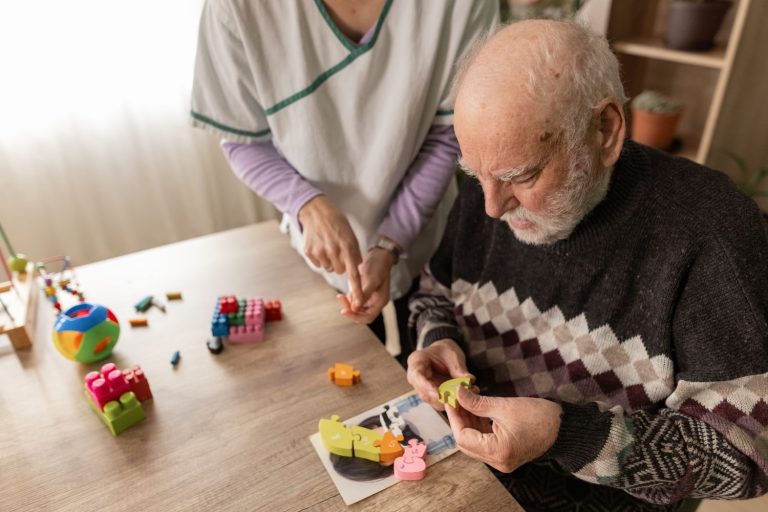
Occupational therapy uses practical, hands-on strategies. You may practice movement techniques that make tasks smoother, learn ways to manage tremor and stiffness, work on handwriting and fine motor skills, or try adaptive tools that make daily activities easier. Living well with Parkinson’s often depends on small adjustments that add up to a big difference.
Therapy also teaches you how to pace your day. Fatigue is a common part of Parkinson’s, and learning to prioritize, schedule rest, and conserve energy helps you enjoy more of what matters. Family members and caregivers can learn along with you, so everyone feels prepared and supported.
Everyday Challenges Addressed Through Therapy
Parkinson’s affects each person differently, so therapy is tailored to your specific needs. Common areas of focus include:
- Dressing, including buttons, zippers, and fasteners
- Handwriting that becomes small or hard to read
- Eating, drinking, and using utensils with tremor
- Meal preparation and kitchen safety
- Getting in and out of bed, chairs, and the shower
- Freezing episodes and difficulty starting to move
- Managing fatigue and planning the day
- Organization, memory, and multitasking strategies
For each area, your therapist can suggest techniques, equipment, or environmental changes. Living well with Parkinson’s often means finding new ways to do familiar tasks rather than giving them up.
Support at Every Stage of Parkinson’s
Needs change as the condition progresses, and therapy changes with them. The goal at every stage is the same: help you stay as independent, safe, and engaged as possible.
- Early stage: Learn energy-saving habits, protect handwriting and fine motor skills, and build routines that support long-term independence
- Middle stage: Adapt daily tasks, improve safety at home, address freezing and balance concerns, and introduce helpful tools
- Later stage: Focus on comfort, safe transfers, caregiver training, and maintaining participation in meaningful activities
Living well with Parkinson’s at any stage looks different for each person, which is why regular reassessment matters. As your abilities and goals shift, your plan is updated so support always fits where you are today.
Making Your Home Safer and Easier
Small changes at home can reduce frustration and lower the risk of falls. A therapist can look at your living space and recommend adjustments tailored to your needs. These may include:
- Removing loose rugs and clearing walkways
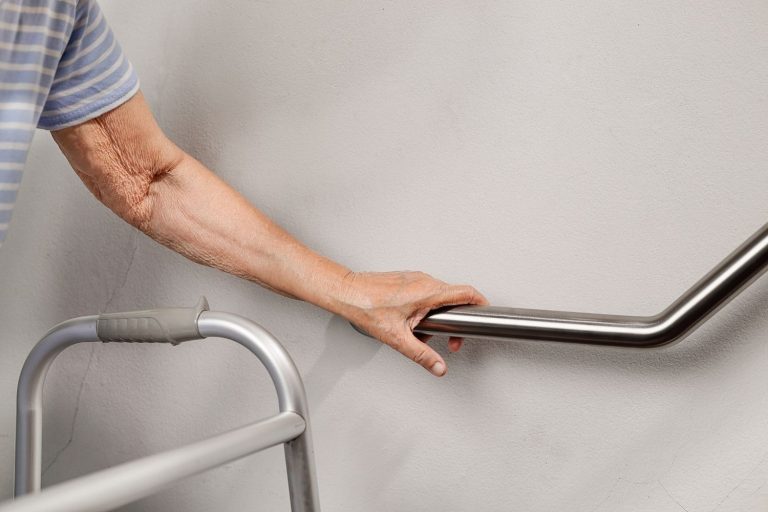
- Adding grab bars in bathrooms and near steps
- Improving lighting, especially at night
- Rearranging frequently used items to reduce reaching and bending
- Using raised toilet seats, shower chairs, or non-slip mats
- Choosing adaptive utensils, button hooks, or other helpful tools
Home changes support confidence as much as safety. When your environment works with you, living well with Parkinson’s becomes easier for you and for the people who care about you.
Take the Next Step Toward Independence
You do not have to face Parkinson’s alone or give up the activities you love. Contact Kinetic Physical Therapy and Wellness in Greenville, NC today to schedule your appointment and see how occupational therapy can support living well with Parkinson’s at every stage.
Frequently Asked Questions About Living Well with Parkinson's
Many people benefit from starting soon after diagnosis, even if daily tasks still feel manageable. Early support helps you build strategies and habits that protect independence over time. It is also appropriate to begin whenever new challenges appear. Occupational therapy can help at any stage.
Therapy can offer strategies and tools to help manage the effects of tremor and changes in handwriting, such as weighted utensils, grip adaptations, and writing techniques. Results vary from person to person, and your therapist will focus on what helps most for your goals.
Yes. Caregivers are an important part of living well with Parkinson’s. They can learn safe transfer techniques, cueing strategies, and ways to support independence without taking over tasks you can still do.
Physical therapy focuses on movement, strength, balance, and mobility. Occupational therapy focuses on how you perform daily activities such as dressing, cooking, writing, and managing your home. Many people with Parkinson’s benefit from both working together.
No. Therapy works alongside the care you receive from your physician and other providers. It focuses on practical function and daily life, while your medical team manages medication and the overall course of the condition.
Striving for greater independence and a better quality of life? Discover the benefits of personalized Occupational Therapy at Kinetic Physical Therapy and Wellness in Greenville, NC! Our dedicated therapists provide individualized care to help you regain the skills and confidence needed for daily activities, whether you’re recovering from an injury, managing a chronic condition, or adapting to new challenges. Take the next step toward independence—schedule your Occupational Therapy session today and start your journey to a more fulfilling life!
Please Share
Facebook
Twitter
LinkedIn
categories
Recent Posts


Living Well with Parkinson's in Greenville, NC
How Occupational Therapy Supports Independence at Every Stage
TL;DR:
Living well with Parkinson’s is possible with the right strategies, tools, and support. Occupational therapy helps people in Greenville, NC keep doing the daily activities that matter to them, from dressing and cooking to writing and moving safely at home, at every stage of the condition.
A Parkinson’s diagnosis changes many things, but it does not have to take away your independence. Tremor, stiffness, slowed movement, and balance changes can make everyday tasks feel harder and more tiring than they used to. Living well with Parkinson’s starts with learning practical ways to adapt, protect your energy, and stay active in the routines and relationships you value most.
Many people focus on medication and doctor visits, which are essential, but daily function is where the condition is felt most. That is where occupational therapy makes a difference, because it focuses on what you need and want to do each day and finds ways to make those activities easier, safer, and more satisfying.
Living Well with Parkinson's Through Everyday Independence
Independence is about more than physical ability. It means being able to make choices, take part in your own routines, and feel confident in your home and community. Living well with Parkinson’s means protecting those things for as long as possible, even as symptoms change over time.
Parkinson’s can affect how you move, but it can also affect handwriting, fine motor control, energy levels, thinking speed, and mood. These changes can make simple tasks like buttoning a shirt, preparing a meal, or typing a message take far more effort. A therapist looks at the whole picture, not just one symptom, and builds strategies that fit your life.
The earlier you start, the more tools you have. Many people wait until daily tasks become frustrating or unsafe before asking for help. Starting support early gives you time to build habits, make helpful changes at home, and stay ahead of challenges rather than reacting to them.
How Occupational Therapy Helps with Living Well with Parkinson's
The first step is an evaluation. Your therapist talks with you about your goals and routines, observes how you perform daily tasks, and identifies where things are difficult or unsafe. The plan that follows is built around you, whether your priority is getting dressed alone, cooking dinner, returning to a hobby, or reducing the risk of falls.
Occupational therapy uses practical, hands-on strategies. You may practice movement techniques that make tasks smoother, learn ways to manage tremor and stiffness, work on handwriting and fine motor skills, or try adaptive tools that make daily activities easier. Living well with Parkinson’s often depends on small adjustments that add up to a big difference.
Therapy also teaches you how to pace your day. Fatigue is a common part of Parkinson’s, and learning to prioritize, schedule rest, and conserve energy helps you enjoy more of what matters. Family members and caregivers can learn along with you, so everyone feels prepared and supported.
Everyday Challenges Addressed Through Therapy
Parkinson’s affects each person differently, so therapy is tailored to your specific needs. Common areas of focus include:
- Dressing, including buttons, zippers, and fasteners
- Handwriting that becomes small or hard to read
- Eating, drinking, and using utensils with tremor
- Meal preparation and kitchen safety
- Getting in and out of bed, chairs, and the shower
- Freezing episodes and difficulty starting to move
- Managing fatigue and planning the day
- Organization, memory, and multitasking strategies
For each area, your therapist can suggest techniques, equipment, or environmental changes. Living well with Parkinson’s often means finding new ways to do familiar tasks rather than giving them up.
Support at Every Stage of Parkinson’s
Needs change as the condition progresses, and therapy changes with them. The goal at every stage is the same: help you stay as independent, safe, and engaged as possible.
- Early stage: Learn energy-saving habits, protect handwriting and fine motor skills, and build routines that support long-term independence
- Middle stage: Adapt daily tasks, improve safety at home, address freezing and balance concerns, and introduce helpful tools
- Later stage: Focus on comfort, safe transfers, caregiver training, and maintaining participation in meaningful activities
Living well with Parkinson’s at any stage looks different for each person, which is why regular reassessment matters. As your abilities and goals shift, your plan is updated so support always fits where you are today.
Making Your Home Safer and Easier
Small changes at home can reduce frustration and lower the risk of falls. A therapist can look at your living space and recommend adjustments tailored to your needs. These may include:
- Removing loose rugs and clearing walkways
- Adding grab bars in bathrooms and near steps
- Improving lighting, especially at night
- Rearranging frequently used items to reduce reaching and bending
- Using raised toilet seats, shower chairs, or non-slip mats
- Choosing adaptive utensils, button hooks, or other helpful tools
Home changes support confidence as much as safety. When your environment works with you, living well with Parkinson’s becomes easier for you and for the people who care about you.
Take the Next Step Toward Independence
You do not have to face Parkinson’s alone or give up the activities you love. Contact Kinetic Physical Therapy and Wellness in Greenville, NC today to schedule your appointment and see how occupational therapy can support living well with Parkinson’s at every stage.
Frequently Asked Questions About Living Well with Parkinson's
Many people benefit from starting soon after diagnosis, even if daily tasks still feel manageable. Early support helps you build strategies and habits that protect independence over time. It is also appropriate to begin whenever new challenges appear. Occupational therapy can help at any stage.
Therapy can offer strategies and tools to help manage the effects of tremor and changes in handwriting, such as weighted utensils, grip adaptations, and writing techniques. Results vary from person to person, and your therapist will focus on what helps most for your goals.
Yes. Caregivers are an important part of living well with Parkinson’s. They can learn safe transfer techniques, cueing strategies, and ways to support independence without taking over tasks you can still do.
Physical therapy focuses on movement, strength, balance, and mobility. Occupational therapy focuses on how you perform daily activities such as dressing, cooking, writing, and managing your home. Many people with Parkinson’s benefit from both working together.
No. Therapy works alongside the care you receive from your physician and other providers. It focuses on practical function and daily life, while your medical team manages medication and the overall course of the condition.
Striving for greater independence and a better quality of life? Discover the benefits of personalized Occupational Therapy at Kinetic Physical Therapy and Wellness in Greenville, NC! Our dedicated therapists provide individualized care to help you regain the skills and confidence needed for daily activities, whether you’re recovering from an injury, managing a chronic condition, or adapting to new challenges. Take the next step toward independence—schedule your Occupational Therapy session today and start your journey to a more fulfilling life!
Please Share
Facebook
Twitter
LinkedIn