



How Regular Massage Therapy Helps Reduce Cortisol and Improve Mental Clarity in Greenville, NC
TL;DR:
Regular massage therapy helps reduce cortisol levels in some circumstances by promoting relaxation and supporting the body’s response to stress. Although research on long-term cortisol reduction remains mixed, massage can help relieve muscle tension, encourage better sleep, and support emotional well-being. These benefits may contribute to improved concentration, mental clarity, and a greater sense of balance. At Kinetic Physical Therapy and Wellness in Greenville, NC, individualized massage sessions help patients manage everyday stress and prioritize their physical and mental wellness.
How Massage Therapy Helps Reduce Cortisol and Supports Mental Wellness
Massage therapy helps reduce cortisol in some studies, making it a promising complementary approach for managing stress and encouraging relaxation. Cortisol is commonly called the body’s primary stress hormone because it plays an important role in responding to physical and emotional challenges. Although cortisol is essential for healthy functioning, prolonged stress can interfere with sleep, concentration, and overall well-being.
Modern lifestyles often expose people to demanding work schedules, family responsibilities, financial pressures, and constant digital distractions. Over time, these challenges can contribute to muscle tightness, mental fatigue, irritability, and difficulty concentrating. Regular massage sessions offer an opportunity to disconnect from everyday pressures while addressing the physical discomfort that frequently accompanies stress.
At Kinetic Physical Therapy and Wellness in Greenville, NC, individualized care is central to helping patients achieve their wellness goals. Professional massage therapy can complement healthy stress-management habits by promoting relaxation, easing muscle tension, and providing dedicated time for recovery.
Understanding How Massage Therapy Helps Reduce Cortisol
Cortisol is produced by the adrenal glands and regulated through the hypothalamic-pituitary-adrenal (HPA) axis. This system helps the body respond to stressful situations by adjusting hormone production and supporting important functions such as metabolism, blood pressure regulation, and immune activity. Cortisol levels naturally fluctuate throughout the day, typically rising in the morning and decreasing toward bedtime. When stress becomes persistent, the body’s normal stress-response patterns may be disrupted. Some people experience difficulty sleeping, increased muscle tension, emotional exhaustion, and reduced concentration. However, cortisol levels alone do not determine whether someone is experiencing chronic stress, and higher cortisol is not always harmful.
Research exploring how massage therapy helps reduce cortisol has produced mixed findings. Some studies have reported temporary decreases in cortisol following massage, while others have found little or no measurable change. The more consistent benefits involve perceived stress reduction, relaxation, and relief from muscle discomfort. These effects make massage a valuable option for people seeking noninvasive ways to support their overall wellness.
The Connection Between Cortisol, Chronic Stress, and Mental Clarity
Mental clarity involves the ability to concentrate, process information, make decisions, and maintain attention throughout daily activities. When stress becomes overwhelming, these cognitive functions can feel more difficult. People may experience forgetfulness, mental fatigue, difficulty completing tasks, or a sense of being constantly distracted.
Stress hormones, including cortisol, influence several areas of the brain involved in memory, attention, and emotional regulation. Short-term stress can sometimes improve alertness, but prolonged or excessive stress may interfere with cognitive performance. Poor sleep and persistent muscle discomfort can further contribute to mental fatigue.
Understanding how massage therapy helps reduce cortisol in certain situations provides insight into its potential role in stress management. While massage has not been established as a direct treatment for cognitive impairment, the relaxation and improved comfort associated with regular sessions may make it easier to feel focused and mentally refreshed.
Common Signs That Stress May Be Affecting Your Mental Focus
Stress can affect people differently, and symptoms often develop gradually. Recognizing changes in physical comfort, sleep patterns, and concentration can help you determine when additional stress-management strategies may be beneficial. Common signs of excessive stress include:
- Difficulty concentrating on work or everyday responsibilities
- Feeling mentally exhausted despite adequate rest
- Frequent neck, shoulder, or upper back tension
- Trouble falling asleep or staying asleep
- Increased irritability or emotional sensitivity
- Persistent feelings of being overwhelmed
- Difficulty relaxing after a busy day
- Frequent tension-related headaches These symptoms can also have other medical causes. Persistent or worsening concentration problems, headaches, or fatigue should be evaluated by an appropriate healthcare professional. For individuals experiencing everyday stress-related tension, personalized massage sessions may provide additional support alongside healthy lifestyle habits.
How Regular Massage Therapy Helps Reduce Cortisol and Encourage Relaxation
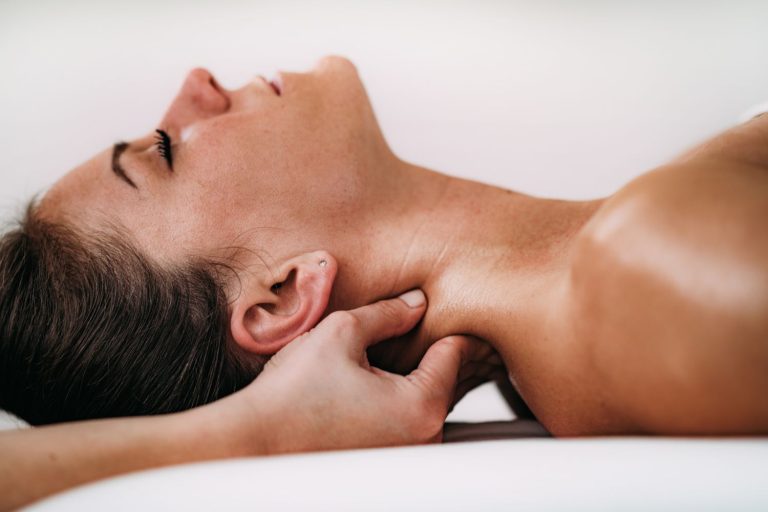
One reason massage therapy helps reduce cortisol in some research is its potential influence on the body’s relaxation response. Gentle, therapeutic touch may reduce perceived stress and encourage a calmer physical state. Massage can also help address muscle tightness that develops when people unconsciously tense their shoulders, neck, jaw, or back during stressful situations.
The autonomic nervous system regulates involuntary functions such as heart rate, breathing, and digestion. It includes sympathetic activity associated with responding to challenges and parasympathetic activity associated with rest and recovery. Some studies suggest that massage may influence measures of autonomic activity, although findings vary depending on the technique, duration, and individual receiving treatment. Regular sessions can also create a predictable opportunity for relaxation. Setting aside time to disconnect from electronic devices, work demands, and other responsibilities may support healthier stress-management habits. Combined with appropriate physical techniques, this dedicated recovery time can help individuals feel calmer and more comfortable.
Physical Benefits That May Support Better Mental Clarity
The physical and mental effects of stress are closely connected. When muscles remain tense or uncomfortable, it can become difficult to relax, sleep comfortably, or focus on important tasks. Addressing physical discomfort may therefore support a greater sense of mental well-being. Potential benefits of regular massage sessions include:
- Reduced muscle tension in the neck, shoulders, and back
- Temporary relief from everyday muscle soreness
- Improved relaxation following demanding activities
- Greater comfort during normal daily movements
- Reduced perceived stress and anxiety symptoms
- Support for healthier sleep routines
- Increased awareness of physical tension and stress triggers
- Dedicated time for rest and personal wellness Although these benefits do not guarantee improved cognitive performance, they may help reduce some of the physical distractions that interfere with concentration. When people feel more relaxed and comfortable, they may find it easier to approach daily responsibilities with renewed energy and focus.
Can Massage Therapy Improve Sleep and Reduce Mental Fatigue?
Sleep is essential for memory, emotional regulation, physical recovery, and cognitive performance. Unfortunately, stress and muscle discomfort can make it difficult to fall asleep or maintain restful sleep throughout the night. Poor sleep can then contribute to increased irritability, reduced concentration, and difficulty managing everyday challenges.
Research suggests that massage may improve subjective sleep quality for some individuals, particularly when discomfort or stress interferes with relaxation. By helping release muscle tension and creating a calming experience, massage can become a useful part of an evening or weekly wellness routine. The relationship between sleep and cortisol is complex because cortisol follows a natural daily rhythm. While massage therapy helps reduce cortisol in certain short-term studies, its potential sleep benefits should not be attributed solely to hormonal changes. Reduced discomfort, improved relaxation, and consistent self-care habits may also contribute to more restful sleep.
Creating a Relaxation Routine That Supports Mental Clarity
A single massage session may provide temporary relaxation, but long-term stress management generally requires a combination of healthy habits. Incorporating massage into a consistent wellness routine may help individuals become more aware of tension and establish regular opportunities for recovery. Consider combining massage sessions with these habits:
- Maintain consistent sleep and wake times whenever possible.
- Practice slow breathing or mindfulness exercises during stressful moments.
- Incorporate regular physical activity appropriate for your abilities.
- Take short breaks during prolonged periods of computer work.
- Limit unnecessary digital distractions before bedtime.
- Stay hydrated and maintain balanced nutrition.
- Schedule regular opportunities for relaxation and recovery.
- Discuss persistent stress or sleep problems with a healthcare professional. At Kinetic Physical Therapy and Wellness, personalized care helps patients identify appropriate wellness strategies based on their needs, comfort levels, and lifestyle.
How Often Should You Schedule Massage Therapy for Stress Relief?
The ideal frequency of massage sessions depends on individual goals, physical condition, lifestyle, and personal preferences. Some people enjoy occasional sessions during particularly stressful periods, while others prefer a more consistent schedule to address recurring muscle tightness and support relaxation. Weekly or biweekly sessions may be appropriate for some individuals, while monthly appointments may fit others’ needs and schedules. However, research has not established a universal treatment frequency that reliably lowers cortisol or improves mental clarity. More frequent sessions do not automatically produce better outcomes.
Because massage therapy helps reduce cortisol in some circumstances but does not consistently produce measurable hormonal changes, it is more useful to evaluate benefits through practical outcomes. Improvements in perceived stress, physical comfort, relaxation, and sleep quality may provide meaningful indicators of whether massage is supporting your wellness goals.
Why Personalized Massage Therapy Matters for Stress Management
Not everyone experiences stress in the same way. Some individuals develop tight neck and shoulder muscles, while others notice lower back discomfort, headaches, difficulty sleeping, or general physical fatigue. Personalized treatment allows massage techniques, pressure, and session goals to be adjusted according to individual needs.
At Kinetic Physical Therapy and Wellness, the focus is on Expert Care, Personalized Treatment, and Lasting Results. Individualized massage sessions can address specific areas of muscle tension while creating an environment that encourages relaxation and physical comfort. Communication is an important part of effective treatment. Patients should discuss their wellness goals, areas of discomfort, medical conditions, and pressure preferences before beginning a session. This helps ensure that treatment is appropriate, comfortable, and aligned with their individual needs.
Additional Ways to Support Healthy Cortisol Regulation and Mental Wellness
Although massage therapy helps reduce cortisol in some studies, managing stress effectively involves more than a single wellness technique. Cortisol is a necessary hormone, and the goal is not to eliminate it but to support healthy stress-response patterns.
Regular exercise, adequate sleep, balanced nutrition, supportive relationships, and relaxation practices all contribute to overall well-being. People experiencing ongoing stress may also benefit from counseling, mindfulness-based interventions, or other professional support. Massage can complement these strategies by addressing physical tension and encouraging relaxation. It should not replace medical treatment for diagnosed hormonal disorders, anxiety disorders, depression, or other conditions requiring professional evaluation.
Frequently Asked Questions About Massage Therapy and Cortisol
Some studies have observed short-term reductions in cortisol following massage sessions, but findings are inconsistent. Massage is more reliably associated with improvements in perceived relaxation and stress. It should not be considered a proven treatment for elevated cortisol levels or endocrine disorders.
Massage may indirectly support concentration by helping reduce stress, muscle tension, and discomfort. However, there is limited evidence that massage directly improves memory, attention, or other cognitive functions. Its primary benefits involve relaxation and physical comfort.
Massage may help relieve muscle tension in the neck, shoulders, and upper back that can contribute to certain headaches. Results vary depending on the headache type and underlying cause. Frequent, severe, or unusual headaches should be evaluated by a healthcare professional.
The duration of relaxation varies by individual, treatment approach, and stress level. Some people experience relief immediately after a session, while others notice benefits lasting longer. Maintaining healthy sleep, movement, and stress-management habits may help support overall wellness between appointments.
Massage is generally well tolerated by many people, but certain medical conditions require precautions or modifications. Individuals with blood clots, active infections, recent injuries, certain cardiovascular conditions, or other significant health concerns should consult an appropriate healthcare professional before scheduling treatment.
Experience Personalized Massage Therapy in Greenville, NC
Understanding how massage therapy helps reduce cortisol in some circumstances highlights the relationship between physical relaxation, stress management, and overall well-being. Although massage is not a guaranteed method for lowering cortisol or improving cognitive performance, its ability to relieve muscle tension, encourage relaxation, and support personal wellness makes it a valuable addition to many self-care routines.
At Kinetic Physical Therapy and Wellness, we believe individualized patient care is the key to optimal outcomes. Whether you’re managing everyday stress, experiencing persistent muscle tension, or looking for a relaxing way to support your wellness routine, our team is committed to helping you feel your best. Contact Kinetic Physical Therapy and Wellness today to schedule personalized massage therapy in Greenville, NC, and discover how Expert Care, Personalized Treatment, and Lasting Results can support your journey toward greater comfort, relaxation, and mental well-being.
Please Share
Facebook
Twitter
LinkedIn
categories
Recent Posts

How Regular Massage Therapy Helps Reduce Cortisol and Improve Mental Clarity in Greenville, NC
TL;DR:
Regular massage therapy helps reduce cortisol levels in some circumstances by promoting relaxation and supporting the body’s response to stress. Although research on long-term cortisol reduction remains mixed, massage can help relieve muscle tension, encourage better sleep, and support emotional well-being. These benefits may contribute to improved concentration, mental clarity, and a greater sense of balance. At Kinetic Physical Therapy and Wellness in Greenville, NC, individualized massage sessions help patients manage everyday stress and prioritize their physical and mental wellness.
How Massage Therapy Helps Reduce Cortisol and Supports Mental Wellness
Massage therapy helps reduce cortisol in some studies, making it a promising complementary approach for managing stress and encouraging relaxation. Cortisol is commonly called the body’s primary stress hormone because it plays an important role in responding to physical and emotional challenges. Although cortisol is essential for healthy functioning, prolonged stress can interfere with sleep, concentration, and overall well-being.
Modern lifestyles often expose people to demanding work schedules, family responsibilities, financial pressures, and constant digital distractions. Over time, these challenges can contribute to muscle tightness, mental fatigue, irritability, and difficulty concentrating. Regular massage sessions offer an opportunity to disconnect from everyday pressures while addressing the physical discomfort that frequently accompanies stress.
At Kinetic Physical Therapy and Wellness in Greenville, NC, individualized care is central to helping patients achieve their wellness goals. Professional massage therapy can complement healthy stress-management habits by promoting relaxation, easing muscle tension, and providing dedicated time for recovery.
Understanding How Massage Therapy Helps Reduce Cortisol
Cortisol is produced by the adrenal glands and regulated through the hypothalamic-pituitary-adrenal (HPA) axis. This system helps the body respond to stressful situations by adjusting hormone production and supporting important functions such as metabolism, blood pressure regulation, and immune activity. Cortisol levels naturally fluctuate throughout the day, typically rising in the morning and decreasing toward bedtime. When stress becomes persistent, the body’s normal stress-response patterns may be disrupted. Some people experience difficulty sleeping, increased muscle tension, emotional exhaustion, and reduced concentration. However, cortisol levels alone do not determine whether someone is experiencing chronic stress, and higher cortisol is not always harmful.
Research exploring how massage therapy helps reduce cortisol has produced mixed findings. Some studies have reported temporary decreases in cortisol following massage, while others have found little or no measurable change. The more consistent benefits involve perceived stress reduction, relaxation, and relief from muscle discomfort. These effects make massage a valuable option for people seeking noninvasive ways to support their overall wellness.
The Connection Between Cortisol, Chronic Stress, and Mental Clarity
Mental clarity involves the ability to concentrate, process information, make decisions, and maintain attention throughout daily activities. When stress becomes overwhelming, these cognitive functions can feel more difficult. People may experience forgetfulness, mental fatigue, difficulty completing tasks, or a sense of being constantly distracted.
Stress hormones, including cortisol, influence several areas of the brain involved in memory, attention, and emotional regulation. Short-term stress can sometimes improve alertness, but prolonged or excessive stress may interfere with cognitive performance. Poor sleep and persistent muscle discomfort can further contribute to mental fatigue.
Understanding how massage therapy helps reduce cortisol in certain situations provides insight into its potential role in stress management. While massage has not been established as a direct treatment for cognitive impairment, the relaxation and improved comfort associated with regular sessions may make it easier to feel focused and mentally refreshed.
Common Signs That Stress May Be Affecting Your Mental Focus
Stress can affect people differently, and symptoms often develop gradually. Recognizing changes in physical comfort, sleep patterns, and concentration can help you determine when additional stress-management strategies may be beneficial. Common signs of excessive stress include:
- Difficulty concentrating on work or everyday responsibilities
- Feeling mentally exhausted despite adequate rest
- Frequent neck, shoulder, or upper back tension
- Trouble falling asleep or staying asleep
- Increased irritability or emotional sensitivity
- Persistent feelings of being overwhelmed
- Difficulty relaxing after a busy day
- Frequent tension-related headaches These symptoms can also have other medical causes. Persistent or worsening concentration problems, headaches, or fatigue should be evaluated by an appropriate healthcare professional. For individuals experiencing everyday stress-related tension, personalized massage sessions may provide additional support alongside healthy lifestyle habits.
How Regular Massage Therapy Helps Reduce Cortisol and Encourage Relaxation
One reason massage therapy helps reduce cortisol in some research is its potential influence on the body’s relaxation response. Gentle, therapeutic touch may reduce perceived stress and encourage a calmer physical state. Massage can also help address muscle tightness that develops when people unconsciously tense their shoulders, neck, jaw, or back during stressful situations.
The autonomic nervous system regulates involuntary functions such as heart rate, breathing, and digestion. It includes sympathetic activity associated with responding to challenges and parasympathetic activity associated with rest and recovery. Some studies suggest that massage may influence measures of autonomic activity, although findings vary depending on the technique, duration, and individual receiving treatment. Regular sessions can also create a predictable opportunity for relaxation. Setting aside time to disconnect from electronic devices, work demands, and other responsibilities may support healthier stress-management habits. Combined with appropriate physical techniques, this dedicated recovery time can help individuals feel calmer and more comfortable.
Physical Benefits That May Support Better Mental Clarity
The physical and mental effects of stress are closely connected. When muscles remain tense or uncomfortable, it can become difficult to relax, sleep comfortably, or focus on important tasks. Addressing physical discomfort may therefore support a greater sense of mental well-being. Potential benefits of regular massage sessions include:
- Reduced muscle tension in the neck, shoulders, and back
- Temporary relief from everyday muscle soreness
- Improved relaxation following demanding activities
- Greater comfort during normal daily movements
- Reduced perceived stress and anxiety symptoms
- Support for healthier sleep routines
- Increased awareness of physical tension and stress triggers
- Dedicated time for rest and personal wellness Although these benefits do not guarantee improved cognitive performance, they may help reduce some of the physical distractions that interfere with concentration. When people feel more relaxed and comfortable, they may find it easier to approach daily responsibilities with renewed energy and focus.
Can Massage Therapy Improve Sleep and Reduce Mental Fatigue?
Sleep is essential for memory, emotional regulation, physical recovery, and cognitive performance. Unfortunately, stress and muscle discomfort can make it difficult to fall asleep or maintain restful sleep throughout the night. Poor sleep can then contribute to increased irritability, reduced concentration, and difficulty managing everyday challenges.
Research suggests that massage may improve subjective sleep quality for some individuals, particularly when discomfort or stress interferes with relaxation. By helping release muscle tension and creating a calming experience, massage can become a useful part of an evening or weekly wellness routine. The relationship between sleep and cortisol is complex because cortisol follows a natural daily rhythm. While massage therapy helps reduce cortisol in certain short-term studies, its potential sleep benefits should not be attributed solely to hormonal changes. Reduced discomfort, improved relaxation, and consistent self-care habits may also contribute to more restful sleep.
Creating a Relaxation Routine That Supports Mental Clarity
A single massage session may provide temporary relaxation, but long-term stress management generally requires a combination of healthy habits. Incorporating massage into a consistent wellness routine may help individuals become more aware of tension and establish regular opportunities for recovery. Consider combining massage sessions with these habits:
- Maintain consistent sleep and wake times whenever possible.
- Practice slow breathing or mindfulness exercises during stressful moments.
- Incorporate regular physical activity appropriate for your abilities.
- Take short breaks during prolonged periods of computer work.
- Limit unnecessary digital distractions before bedtime.
- Stay hydrated and maintain balanced nutrition.
- Schedule regular opportunities for relaxation and recovery.
- Discuss persistent stress or sleep problems with a healthcare professional. At Kinetic Physical Therapy and Wellness, personalized care helps patients identify appropriate wellness strategies based on their needs, comfort levels, and lifestyle.
How Often Should You Schedule Massage Therapy for Stress Relief?
The ideal frequency of massage sessions depends on individual goals, physical condition, lifestyle, and personal preferences. Some people enjoy occasional sessions during particularly stressful periods, while others prefer a more consistent schedule to address recurring muscle tightness and support relaxation. Weekly or biweekly sessions may be appropriate for some individuals, while monthly appointments may fit others’ needs and schedules. However, research has not established a universal treatment frequency that reliably lowers cortisol or improves mental clarity. More frequent sessions do not automatically produce better outcomes.
Because massage therapy helps reduce cortisol in some circumstances but does not consistently produce measurable hormonal changes, it is more useful to evaluate benefits through practical outcomes. Improvements in perceived stress, physical comfort, relaxation, and sleep quality may provide meaningful indicators of whether massage is supporting your wellness goals.
Why Personalized Massage Therapy Matters for Stress Management
Not everyone experiences stress in the same way. Some individuals develop tight neck and shoulder muscles, while others notice lower back discomfort, headaches, difficulty sleeping, or general physical fatigue. Personalized treatment allows massage techniques, pressure, and session goals to be adjusted according to individual needs.
At Kinetic Physical Therapy and Wellness, the focus is on Expert Care, Personalized Treatment, and Lasting Results. Individualized massage sessions can address specific areas of muscle tension while creating an environment that encourages relaxation and physical comfort. Communication is an important part of effective treatment. Patients should discuss their wellness goals, areas of discomfort, medical conditions, and pressure preferences before beginning a session. This helps ensure that treatment is appropriate, comfortable, and aligned with their individual needs.
Additional Ways to Support Healthy Cortisol Regulation and Mental Wellness
Although massage therapy helps reduce cortisol in some studies, managing stress effectively involves more than a single wellness technique. Cortisol is a necessary hormone, and the goal is not to eliminate it but to support healthy stress-response patterns.
Regular exercise, adequate sleep, balanced nutrition, supportive relationships, and relaxation practices all contribute to overall well-being. People experiencing ongoing stress may also benefit from counseling, mindfulness-based interventions, or other professional support. Massage can complement these strategies by addressing physical tension and encouraging relaxation. It should not replace medical treatment for diagnosed hormonal disorders, anxiety disorders, depression, or other conditions requiring professional evaluation.
Frequently Asked Questions About Massage Therapy and Cortisol
Some studies have observed short-term reductions in cortisol following massage sessions, but findings are inconsistent. Massage is more reliably associated with improvements in perceived relaxation and stress. It should not be considered a proven treatment for elevated cortisol levels or endocrine disorders.
Massage may indirectly support concentration by helping reduce stress, muscle tension, and discomfort. However, there is limited evidence that massage directly improves memory, attention, or other cognitive functions. Its primary benefits involve relaxation and physical comfort.
Massage may help relieve muscle tension in the neck, shoulders, and upper back that can contribute to certain headaches. Results vary depending on the headache type and underlying cause. Frequent, severe, or unusual headaches should be evaluated by a healthcare professional.
The duration of relaxation varies by individual, treatment approach, and stress level. Some people experience relief immediately after a session, while others notice benefits lasting longer. Maintaining healthy sleep, movement, and stress-management habits may help support overall wellness between appointments.
Massage is generally well tolerated by many people, but certain medical conditions require precautions or modifications. Individuals with blood clots, active infections, recent injuries, certain cardiovascular conditions, or other significant health concerns should consult an appropriate healthcare professional before scheduling treatment.
Experience Personalized Massage Therapy in Greenville, NC
Understanding how massage therapy helps reduce cortisol in some circumstances highlights the relationship between physical relaxation, stress management, and overall well-being. Although massage is not a guaranteed method for lowering cortisol or improving cognitive performance, its ability to relieve muscle tension, encourage relaxation, and support personal wellness makes it a valuable addition to many self-care routines.
At Kinetic Physical Therapy and Wellness, we believe individualized patient care is the key to optimal outcomes. Whether you’re managing everyday stress, experiencing persistent muscle tension, or looking for a relaxing way to support your wellness routine, our team is committed to helping you feel your best. Contact Kinetic Physical Therapy and Wellness today to schedule personalized massage therapy in Greenville, NC, and discover how Expert Care, Personalized Treatment, and Lasting Results can support your journey toward greater comfort, relaxation, and mental well-being.
Please Share
Facebook
Twitter
LinkedIn