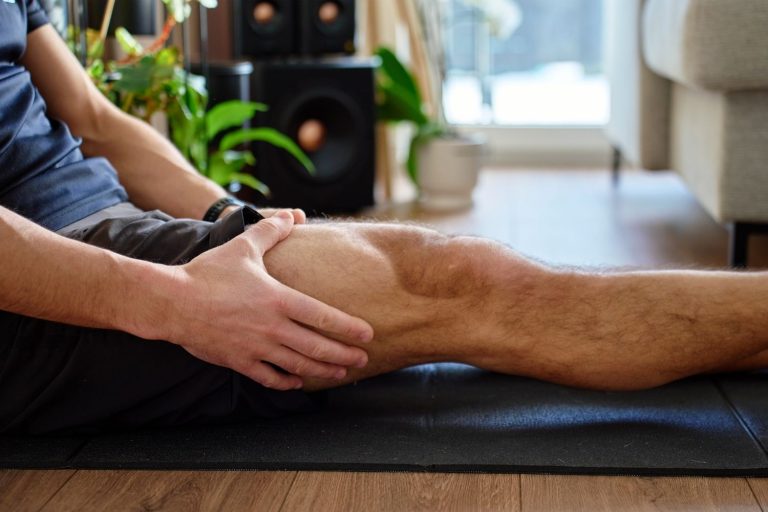




Massage for Plantar Fasciitis
Calf, Foot, and Fascia Techniques That Reduce Heel Pain
Massage for Plantar Fasciitis can be a game-changer when sharp heel pain makes mornings miserable and every step feels like you’re walking on a bruise. Plantar fasciitis often starts as irritation where the plantar fascia connects near the heel, but the real driver is frequently higher up the chain—tight calves, stiff ankles, overworked foot muscles, and thickened fascia that can’t glide the way it should. At Kinetic Physical Therapy and Wellness in Greenville, NC, we believe individualized patient care is the key to optimal outcomes—Expert Care, Personalized Treatment, and Lasting Results—so we look beyond the heel to find what’s truly causing your symptoms.
Massage for Plantar Fasciitis isn’t about “digging into” the painful spot until it hurts less. The most effective approach combines targeted work to the calf, foot, and fascial system to reduce tension, improve tissue mobility, and restore better mechanics during walking and running. When combined with smart home strategies and the right training adjustments, Massage for Plantar Fasciitis can help calm flare-ups and create long-term relief—especially for active adults, runners, and people who spend long hours on their feet in Greenville.
Why Massage for Plantar Fasciitis Works: The Calf–Foot Connection
Massage for Plantar Fasciitis works best when it addresses the structures that overload the heel in the first place. The plantar fascia functions like a supportive band that helps maintain your arch and absorb force. If your calves are tight or your ankle lacks mobility, your foot may compensate by collapsing inward or pulling harder on the fascia with each step. That extra tension can irritate the attachment near the heel, especially after rest—one reason the first steps in the morning can be the worst.
A key target for massage for Plantar Fasciitis is the calf complex—especially the gastrocnemius and soleus muscles—and the Achilles tendon region. Tightness here limits dorsiflexion (your ability to bring the toes up toward the shin). When dorsiflexion is limited, your body often tries to “borrow” movement from the foot, increasing strain through the arch and plantar fascia. Skilled massage therapy can reduce calf tone, improve soft-tissue extensibility, and make it easier for your foot to load and unload without yanking on the heel.
Another reason massage for Plantar Fasciitis helps is that heel pain is rarely just a “foot problem.” It’s a movement problem. Footwear changes, sudden increases in walking or running, long shifts on hard floors, or training on hills can all contribute. A thoughtful Massage for Plantar Fasciitis plan considers your activity level, your job demands, your history of ankle sprains, and even hip strength and balance. When you pair hands-on care with education and habit changes, you’re not just chasing symptoms—you’re correcting the cause.
Massage for Plantar Fasciitis Techniques: What a Targeted Session Looks Like
Massage for Plantar Fasciitis sessions often start upstream at the calf because that’s where many people unknowingly “store” the tension that feeds heel pain. Your therapist may use a blend of slow deep pressure, stripping techniques along the calf fibers, and myofascial release to improve glide through the lower leg tissues. This work can feel intense but should stay in a productive range—focused pressure without sharp, defensive pain—so your nervous system allows the tissue to soften instead of guarding.
Next, massage for Plantar Fasciitis typically moves into the foot itself. The goal isn’t to mash the most tender spot under the heel. Instead, your therapist focuses on the plantar fascia line and the intrinsic foot muscles that support the arch. Many people with heel pain also have tight flexor muscles under the foot and along the inside arch. Improving mobility here helps redistribute force during walking, reduces pulling at the heel attachment, and supports better toe-off mechanics.
Finally, massage for Plantar Fasciitis often includes specific fascial techniques that connect the calf, ankle, and foot. Fascia is a continuous web; when it’s stiff, you lose the smooth “sliding” that makes movement efficient. By restoring fascial mobility, massage therapy can reduce strain patterns that keep heel pain stuck in a cycle of flare-ups. Many clients notice that after the right session, they stand taller, walk with less limping, and feel less “ropey” tightness through the lower leg.
Other helpful elements your therapist may include during Massage for Plantar Fasciitis care:
- Gentle ankle mobilization and soft tissue work around the Achilles
- Targeting trigger points in the calf that refer pain into the heel
- Releasing tension in the peroneals and tibialis posterior that influence arch control
- Soft tissue work to the big toe and forefoot to improve push-off
- Education on pacing activity so the heel has time to calm down
At-Home Support Between Sessions
Massage for Plantar Fasciitis is most effective when you reinforce it with simple, consistent home habits. Your therapist can recommend strategies based on your specific limitations, but these are common game-changers for reducing heel pain without aggravating the tissue.
Try these supportive habits alongside Massage for Plantar Fasciitis:
- Calf stretching with a straight knee (gastrocnemius) and bent knee (soleus)
- Short foot strengthening to improve arch support without gripping the toes
- Rolling the foot gently on a ball only if it feels relieving (not sharp)
- Wearing supportive shoes around the house instead of walking barefoot
- Gradually increasing steps and workouts rather than sudden spikes
- Avoiding aggressive stretching into sharp heel pain first thing in the morning
If you’re unsure what’s “helpful discomfort” versus “too much,” that’s where individualized care matters. The right plan prevents you from overdoing it on a tender heel while still making measurable progress.
When Heel Pain Needs More Than a Quick Fix
Massage for Plantar Fasciitis can offer meaningful relief, but persistent heel pain may have multiple contributors. If your symptoms have lasted for months, keep returning, or spike with training, you may need a broader plan that includes gait analysis, strengthening, and mobility work—especially if the foot is compensating for weak hips, limited ankle dorsiflexion, or poor single-leg stability. In some cases, people think they have plantar fasciitis when the issue is actually nerve irritation, fat pad irritation, or a different heel structure entirely. A thorough assessment helps you avoid wasting time on the wrong approach.
This is where massage therapy integrates well with a wellness-focused plan. With expert guidance, Massage for Plantar Fasciitis can be paired with targeted strengthening, movement retraining, and recovery strategies so you’re not just getting temporary relief—you’re building a foundation that keeps heel pain from coming back. The best outcomes happen when your care is designed around you: your activity, your work, your footwear, and your goals.
Signs you may benefit from a more comprehensive approach alongside Massage for Plantar Fasciitis:
- Heel pain that lasts longer than 6–8 weeks despite rest
- Pain that changes locations or includes tingling/numbness
- Increasing pain after minimal activity
- Pain that improves briefly, then returns quickly
- Noticeable limping or compensations in your walk
- A history of ankle sprains or major changes in training volume
Get Expert Help in Greenville, NC
Massage for Plantar Fasciitis should never be one-size-fits-all, because heel pain rarely comes from one single tissue. At Kinetic Physical Therapy and Wellness in Greenville, NC, our approach is built on individualized patient care—Expert Care, Personalized Treatment, and Lasting Results—so your plan matches your body and your lifestyle. If you’re ready to stop dreading those first steps in the morning and start walking, working, and training with confidence, schedule an appointment for massage therapy today and let’s build a heel-pain relief plan that actually lasts.
Ready to relax, rejuvenate, and relieve tension? Experience the healing power of personalized Massage Therapy at Kinetic Physical Therapy and Wellness in Greenville, NC! Our expert therapists provide tailored massages designed to target your specific needs—whether it’s relieving muscle pain, reducing stress, or enhancing overall wellness. Don’t wait to feel your best—book your massage therapy session today and let us help you unwind and recharge!
Please Share
Facebook
Twitter
LinkedIn
categories
Recent Posts

Massage for Plantar Fasciitis
Calf, Foot, and Fascia Techniques That Reduce Heel Pain
Massage for Plantar Fasciitis can be a game-changer when sharp heel pain makes mornings miserable and every step feels like you’re walking on a bruise. Plantar fasciitis often starts as irritation where the plantar fascia connects near the heel, but the real driver is frequently higher up the chain—tight calves, stiff ankles, overworked foot muscles, and thickened fascia that can’t glide the way it should. At Kinetic Physical Therapy and Wellness in Greenville, NC, we believe individualized patient care is the key to optimal outcomes—Expert Care, Personalized Treatment, and Lasting Results—so we look beyond the heel to find what’s truly causing your symptoms.
Massage for Plantar Fasciitis isn’t about “digging into” the painful spot until it hurts less. The most effective approach combines targeted work to the calf, foot, and fascial system to reduce tension, improve tissue mobility, and restore better mechanics during walking and running. When combined with smart home strategies and the right training adjustments, Massage for Plantar Fasciitis can help calm flare-ups and create long-term relief—especially for active adults, runners, and people who spend long hours on their feet in Greenville.
Why Massage for Plantar Fasciitis Works: The Calf–Foot Connection
Massage for Plantar Fasciitis works best when it addresses the structures that overload the heel in the first place. The plantar fascia functions like a supportive band that helps maintain your arch and absorb force. If your calves are tight or your ankle lacks mobility, your foot may compensate by collapsing inward or pulling harder on the fascia with each step. That extra tension can irritate the attachment near the heel, especially after rest—one reason the first steps in the morning can be the worst.
A key target for massage for Plantar Fasciitis is the calf complex—especially the gastrocnemius and soleus muscles—and the Achilles tendon region. Tightness here limits dorsiflexion (your ability to bring the toes up toward the shin). When dorsiflexion is limited, your body often tries to “borrow” movement from the foot, increasing strain through the arch and plantar fascia. Skilled massage therapy can reduce calf tone, improve soft-tissue extensibility, and make it easier for your foot to load and unload without yanking on the heel.
Another reason massage for Plantar Fasciitis helps is that heel pain is rarely just a “foot problem.” It’s a movement problem. Footwear changes, sudden increases in walking or running, long shifts on hard floors, or training on hills can all contribute. A thoughtful Massage for Plantar Fasciitis plan considers your activity level, your job demands, your history of ankle sprains, and even hip strength and balance. When you pair hands-on care with education and habit changes, you’re not just chasing symptoms—you’re correcting the cause.
Massage for Plantar Fasciitis Techniques: What a Targeted Session Looks Like
Massage for Plantar Fasciitis sessions often start upstream at the calf because that’s where many people unknowingly “store” the tension that feeds heel pain. Your therapist may use a blend of slow deep pressure, stripping techniques along the calf fibers, and myofascial release to improve glide through the lower leg tissues. This work can feel intense but should stay in a productive range—focused pressure without sharp, defensive pain—so your nervous system allows the tissue to soften instead of guarding.
Next, massage for Plantar Fasciitis typically moves into the foot itself. The goal isn’t to mash the most tender spot under the heel. Instead, your therapist focuses on the plantar fascia line and the intrinsic foot muscles that support the arch. Many people with heel pain also have tight flexor muscles under the foot and along the inside arch. Improving mobility here helps redistribute force during walking, reduces pulling at the heel attachment, and supports better toe-off mechanics.
Finally, massage for Plantar Fasciitis often includes specific fascial techniques that connect the calf, ankle, and foot. Fascia is a continuous web; when it’s stiff, you lose the smooth “sliding” that makes movement efficient. By restoring fascial mobility, massage therapy can reduce strain patterns that keep heel pain stuck in a cycle of flare-ups. Many clients notice that after the right session, they stand taller, walk with less limping, and feel less “ropey” tightness through the lower leg.
Other helpful elements your therapist may include during Massage for Plantar Fasciitis care:
- Gentle ankle mobilization and soft tissue work around the Achilles
- Targeting trigger points in the calf that refer pain into the heel
- Releasing tension in the peroneals and tibialis posterior that influence arch control
- Soft tissue work to the big toe and forefoot to improve push-off
- Education on pacing activity so the heel has time to calm down
At-Home Support Between Sessions
Massage for Plantar Fasciitis is most effective when you reinforce it with simple, consistent home habits. Your therapist can recommend strategies based on your specific limitations, but these are common game-changers for reducing heel pain without aggravating the tissue.
Try these supportive habits alongside Massage for Plantar Fasciitis:
- Calf stretching with a straight knee (gastrocnemius) and bent knee (soleus)
- Short foot strengthening to improve arch support without gripping the toes
- Rolling the foot gently on a ball only if it feels relieving (not sharp)
- Wearing supportive shoes around the house instead of walking barefoot
- Gradually increasing steps and workouts rather than sudden spikes
- Avoiding aggressive stretching into sharp heel pain first thing in the morning
If you’re unsure what’s “helpful discomfort” versus “too much,” that’s where individualized care matters. The right plan prevents you from overdoing it on a tender heel while still making measurable progress.
When Heel Pain Needs More Than a Quick Fix
Massage for Plantar Fasciitis can offer meaningful relief, but persistent heel pain may have multiple contributors. If your symptoms have lasted for months, keep returning, or spike with training, you may need a broader plan that includes gait analysis, strengthening, and mobility work—especially if the foot is compensating for weak hips, limited ankle dorsiflexion, or poor single-leg stability. In some cases, people think they have plantar fasciitis when the issue is actually nerve irritation, fat pad irritation, or a different heel structure entirely. A thorough assessment helps you avoid wasting time on the wrong approach.
This is where massage therapy integrates well with a wellness-focused plan. With expert guidance, Massage for Plantar Fasciitis can be paired with targeted strengthening, movement retraining, and recovery strategies so you’re not just getting temporary relief—you’re building a foundation that keeps heel pain from coming back. The best outcomes happen when your care is designed around you: your activity, your work, your footwear, and your goals.
Signs you may benefit from a more comprehensive approach alongside Massage for Plantar Fasciitis:
- Heel pain that lasts longer than 6–8 weeks despite rest
- Pain that changes locations or includes tingling/numbness
- Increasing pain after minimal activity
- Pain that improves briefly, then returns quickly
- Noticeable limping or compensations in your walk
- A history of ankle sprains or major changes in training volume
Get Expert Help in Greenville, NC
Massage for Plantar Fasciitis should never be one-size-fits-all, because heel pain rarely comes from one single tissue. At Kinetic Physical Therapy and Wellness in Greenville, NC, our approach is built on individualized patient care—Expert Care, Personalized Treatment, and Lasting Results—so your plan matches your body and your lifestyle. If you’re ready to stop dreading those first steps in the morning and start walking, working, and training with confidence, schedule an appointment for massage therapy today and let’s build a heel-pain relief plan that actually lasts.
Ready to relax, rejuvenate, and relieve tension? Experience the healing power of personalized Massage Therapy at Kinetic Physical Therapy and Wellness in Greenville, NC! Our expert therapists provide tailored massages designed to target your specific needs—whether it’s relieving muscle pain, reducing stress, or enhancing overall wellness. Don’t wait to feel your best—book your massage therapy session today and let us help you unwind and recharge!
Please Share
Facebook
Twitter
LinkedIn
categories
Recent Posts