


Massage Therapy for Tension Headaches and Neck Pain in Greenville, NC
TL;DR
Massage Therapy for Tension Headaches may help reduce muscle tightness in the neck, shoulders, and upper back that can contribute to headache discomfort. Targeted massage can promote relaxation, ease muscular tension, support circulation, and improve comfortable neck and shoulder movement. At Kinetic Physical Therapy and Wellness in Greenville, NC, personalized massage sessions are tailored to each individual’s areas of tension, lifestyle, and wellness goals.
How Massage Therapy for Tension Headaches Can Relieve Neck and Shoulder Tightness
Massage Therapy for Tension Headaches can be a valuable option for people in Greenville, NC who regularly experience headaches accompanied by tightness in the neck, shoulders, or upper back. Tension headaches are often associated with a dull, aching sensation, pressure around the head, and tenderness or stiffness in surrounding muscles. Long hours at a computer, repetitive movements, stress, prolonged sitting, poor workstation habits, and physical activity can all contribute to muscular tension. When tight muscles become part of the problem, addressing those areas may help reduce discomfort and promote better overall mobility.
At Kinetic Physical Therapy and Wellness, individualized care is an important part of helping clients achieve optimal outcomes. Instead of treating every person with headache or neck discomfort the same way, a targeted approach can focus on the muscles and movement patterns contributing to each person’s symptoms. Massage Therapy for Tension Headaches may focus on areas such as the neck, upper shoulders, upper back, and surrounding soft tissues to reduce muscle tension, encourage relaxation, and support more comfortable movement.
Massage Therapy for Tension Headaches is particularly relevant when tight or overworked muscles are contributing to headache symptoms. The muscles of the neck, shoulders, and upper back work together to support the head and allow it to move throughout the day. When these muscles remain tense for extended periods, they may become sore, sensitive, and fatigued. This tension can sometimes be experienced as discomfort that extends upward toward the head.
Many everyday activities can contribute to this pattern. Working at a computer for hours, looking down at a phone, driving long distances, carrying heavy bags, performing repetitive tasks, or spending extended periods in one position can place additional demands on the upper body. Emotional stress may also cause people to unconsciously tighten their shoulders or clench muscles around the neck and jaw. Targeted Massage Therapy can address these areas rather than focusing exclusively on where the headache itself is felt.
A massage session can also be customized based on where tension is concentrated and how sensitive the affected tissues are. Some people may benefit from focused work around the shoulders and upper back, while others may have greater tension near the base of the skull or along the sides of the neck. This individualized approach aligns with Kinetic Physical Therapy and Wellness’s focus on expert care and personalized treatment.
Benefits of Massage Therapy for Tension Headaches and Neck Pain
Massage Therapy for Tension Headaches may help address several factors associated with muscular discomfort. Massage techniques can be used to work on tight soft tissues, encourage circulation to targeted areas, promote relaxation, and help decrease the feeling of stiffness in the neck and shoulders. For people whose headaches seem to appear after stressful days, long periods at a desk, or demanding physical activity, reducing muscular tension may be an important component of their overall wellness strategy.
Another potential benefit is improved comfort during everyday movement. Tight muscles can make turning the head, looking over the shoulder, or moving the upper body feel restricted. By addressing soft-tissue tightness, Massage Therapy may help support more comfortable movement and make it easier to perform normal daily activities.
Potential benefits of targeted massage may include:
- Reducing muscle tightness in the neck and shoulders
- Addressing tension in the upper back
- Promoting relaxation after stressful days
- Supporting comfortable neck movement
- Helping decrease feelings of muscular stiffness
- Encouraging circulation in targeted soft tissues
- Supporting recovery after repetitive activities
- Increasing awareness of areas where tension commonly develops
Why Neck and Shoulder Tension Can Contribute to Headaches
The head is supported by a complex network of muscles that extends through the neck, shoulders, and upper back. These muscles are constantly working to maintain head position and coordinate movement. When they become overworked or remain contracted for long periods, discomfort may develop locally or be perceived in other areas.
For example, muscles near the base of the skull can become tight after prolonged periods of looking at a screen. The upper trapezius muscles, which extend across the shoulders and upper back, can also accumulate tension when someone repeatedly raises or tightens their shoulders. Other muscles along the neck may become fatigued when the head remains in a forward position for extended periods.
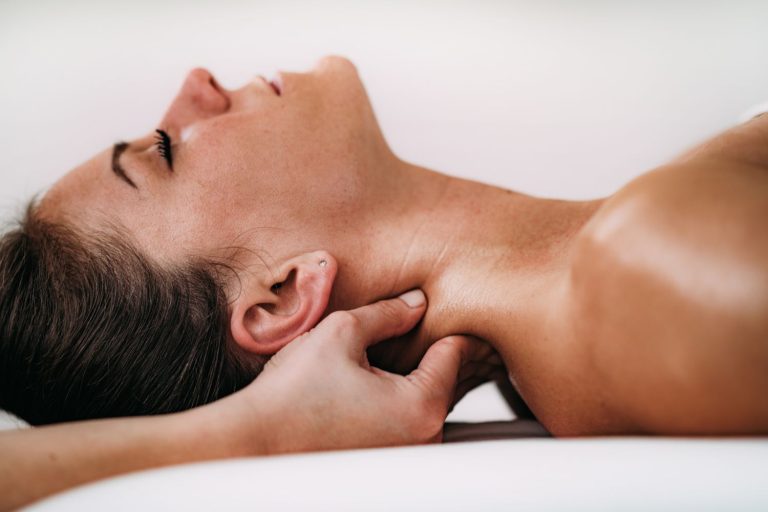
Massage Therapy for Tension Headaches can target these interconnected areas. Rather than concentrating only on one sore spot, a massage therapist can work with the surrounding muscle groups that may be contributing to the overall pattern of tightness.
Common Causes of Muscle Tension in the Neck and Upper Back
Muscular tension can develop for many reasons, and identifying potential triggers can be helpful when trying to reduce recurring discomfort. Some people notice headaches primarily during busy workweeks, while others experience symptoms after certain activities or periods of physical stress.
Common contributors may include:
- Extended computer or laptop use
- Frequent smartphone or tablet use
- Prolonged sitting
- Repetitive upper-body movements
- Stress and muscle guarding
- Long periods of driving
- Physically demanding work
- Carrying heavy bags or equipment
- Exercise-related muscle fatigue
- Workstations that encourage uncomfortable positioning
- Inadequate movement breaks during the day
Recognizing these patterns is important because lasting improvement may require more than addressing tight muscles during a single session. Changes to daily habits, regular movement, appropriate exercise, stress management, and other strategies may complement massage and help reduce the factors that repeatedly contribute to tension.
Massage Therapy for Tension Headaches Caused by Desk Work
Massage Therapy for Tension Headaches may be especially useful for people who spend much of their day at a desk. Computer work frequently involves maintaining relatively static positions for extended periods. As the day progresses, the head may gradually move forward, the shoulders may round, and muscles in the neck and upper back may work harder to maintain position.
Even a well-designed workstation does not eliminate the need for movement. The body generally responds better when positions change regularly throughout the day. Taking short breaks, standing periodically, gently moving the neck and shoulders, and changing positions can help prevent muscles from remaining contracted for hours at a time.
Targeted Massage Therapy can complement these healthy habits by focusing on areas that have become tight or overworked. For Greenville professionals who spend long days using computers, combining better daily movement habits with individualized massage sessions may provide a more comprehensive approach to managing recurring neck and shoulder tension.
What Areas May Be Addressed During a Massage Session?
Because every person’s symptoms and patterns of tension are different, the specific areas addressed during a session can vary. A massage therapist may focus on several interconnected muscle groups rather than treating only the most obvious area of discomfort.
Depending on individual needs, attention may be given to:
- Upper trapezius muscles across the shoulders
- Muscles along the sides and back of the neck
- Soft tissues near the base of the skull
- Muscles between and around the shoulder blades
- Upper and mid-back muscles
- Areas of localized muscular tightness or tenderness
The amount of pressure and techniques used should also be individualized. More pressure is not automatically better. Effective treatment should take into account the client’s comfort, sensitivity, goals, and response to treatment.
Can Regular Massage Help with Recurring Tension Headaches?
People who experience recurring muscular tension may benefit from thinking about Massage Therapy as part of an ongoing wellness strategy rather than something reserved exclusively for severe discomfort. Regular sessions may help identify areas that consistently become tight and allow those areas to be addressed before tension becomes more pronounced.
The appropriate frequency varies considerably from person to person. Someone with an intense desk-based work schedule may have different needs from an active adult, healthcare worker, student, or person experiencing temporary stress. This is another reason individualized care matters. The goal should be to develop an approach based on the person’s symptoms, lifestyle, activity level, and wellness goals rather than following a one-size-fits-all schedule.
It is also important to remember that headaches can have many causes. Massage is not intended to diagnose the cause of a headache, and new, severe, unusual, persistent, or worsening headaches should be evaluated by an appropriate healthcare professional.
Combining Massage Therapy for Tension Headaches with Healthy Daily Habits
Massage Therapy for Tension Headaches can be most useful when combined with habits that reduce unnecessary strain on the neck and shoulders. A massage session may help address existing muscle tension, while changes in daily routines may help prevent the same patterns from immediately returning.
Helpful strategies can include:
- Taking regular movement breaks during desk work
- Changing sitting positions throughout the day
- Keeping frequently used screens at a comfortable viewing height
- Avoiding prolonged periods of looking downward at a phone
- Performing appropriate neck and shoulder mobility exercises
- Staying physically active
- Paying attention to shoulder tension during stressful situations
- Using relaxation and breathing strategies
- Adjusting repetitive activities when possible
For individuals whose neck pain is related to movement limitations, weakness, injury, or another musculoskeletal concern, additional evaluation may also be appropriate. Kinetic Physical Therapy and Wellness can help clients determine which services best fit their individual needs and goals.
When Should You Seek Medical Attention for a Headache?
While muscular tension is common, not every headache is a tension headache. It is important not to assume that recurring or severe headaches are simply caused by tight muscles.
Seek prompt medical attention for a sudden or unusually severe headache, particularly when it occurs with symptoms such as confusion, fainting, fever, weakness, numbness, difficulty speaking, vision changes, severe dizziness, or following a significant head injury. Headaches that are new, progressively worsening, unusually frequent, or significantly different from previous headaches should also be discussed with a qualified healthcare professional.
Once more serious causes have been appropriately addressed, Massage Therapy may be considered when muscular tightness in the neck, shoulders, and upper back appears to be contributing to discomfort.
Personalized Massage Therapy in Greenville, NC
No two people experience muscle tension in exactly the same way. One person may develop tightness across the shoulders after long hours at a computer, while another may feel tension concentrated near the base of the skull following stressful or physically demanding days. This is why individualized care can make such a difference.
Kinetic Physical Therapy and Wellness believes that personalized treatment is key to achieving optimal outcomes. By focusing on your specific areas of tension, comfort level, lifestyle, and goals, targeted massage can become part of a broader strategy for managing muscle tightness and supporting better movement.
If recurring neck and shoulder tension seems to accompany your headaches, consider discovering whether Massage Therapy for Tension Headaches could be a good fit for you. Contact Kinetic Physical Therapy and Wellness in Greenville, NC today to schedule an appointment and learn how personalized Massage Therapy can help address tight muscles, support comfortable movement, and become part of your individualized wellness plan.
Frequently Asked Questions
Yes, Massage Therapy may help when tension headaches are associated with tight muscles in the neck, shoulders, and upper back. Targeted techniques can help relax overworked muscles, reduce stiffness, and promote more comfortable movement. Because headaches can have many causes, persistent, severe, or unusual headaches should be evaluated by a healthcare professional.
A massage therapist may focus on muscles in the neck, upper shoulders, upper back, and around the base of the skull. The exact areas addressed depend on where you experience tightness and discomfort. An individualized approach allows the massage therapist to concentrate on the muscle groups most relevant to your symptoms.
The ideal frequency varies depending on how often you experience muscle tension, your daily activities, stress levels, and individual goals. Some people may benefit from more frequent sessions initially, while others incorporate massage periodically into their wellness routine. A massage therapist can help determine an appropriate schedule based on your needs.
Tight or overworked muscles in the neck and shoulders can be associated with tension-type headaches. Long periods of computer work, repetitive movements, stress, prolonged sitting, and other daily activities can contribute to muscle tightness. Addressing these contributing factors may help reduce the muscular tension associated with headache discomfort.
It may be helpful when long periods of computer or desk work contribute to tightness in the neck, shoulders, and upper back. Massage can target these overworked areas, while regular movement breaks, workstation adjustments, and appropriate stretching or exercise can help address factors that cause the tension to return.
Seek medical attention for headaches that are sudden, unusually severe, new, worsening, or significantly different from headaches you have experienced before. Headaches accompanied by symptoms such as weakness, numbness, confusion, fainting, fever, vision changes, difficulty speaking, or a recent head injury also require prompt medical evaluation. Massage Therapy should complement appropriate medical care rather than replace evaluation when concerning symptoms are present.
Ready to relax, rejuvenate, and relieve tension? Experience the healing power of personalized Massage Therapy at Kinetic Physical Therapy and Wellness in Greenville, NC! Our expert therapists provide tailored massages designed to target your specific needs—whether it’s relieving muscle pain, reducing stress, or enhancing overall wellness. Don’t wait to feel your best—book your massage therapy session today and let us help you unwind and recharge!
Please Share
Facebook
Twitter
LinkedIn
categories
Recent Posts

Massage Therapy for Tension Headaches and Neck Pain in Greenville, NC
TL;DR
Massage Therapy for Tension Headaches may help reduce muscle tightness in the neck, shoulders, and upper back that can contribute to headache discomfort. Targeted massage can promote relaxation, ease muscular tension, support circulation, and improve comfortable neck and shoulder movement. At Kinetic Physical Therapy and Wellness in Greenville, NC, personalized massage sessions are tailored to each individual’s areas of tension, lifestyle, and wellness goals.
How Massage Therapy for Tension Headaches Can Relieve Neck and Shoulder Tightness
Massage Therapy for Tension Headaches can be a valuable option for people in Greenville, NC who regularly experience headaches accompanied by tightness in the neck, shoulders, or upper back. Tension headaches are often associated with a dull, aching sensation, pressure around the head, and tenderness or stiffness in surrounding muscles. Long hours at a computer, repetitive movements, stress, prolonged sitting, poor workstation habits, and physical activity can all contribute to muscular tension. When tight muscles become part of the problem, addressing those areas may help reduce discomfort and promote better overall mobility.
At Kinetic Physical Therapy and Wellness, individualized care is an important part of helping clients achieve optimal outcomes. Instead of treating every person with headache or neck discomfort the same way, a targeted approach can focus on the muscles and movement patterns contributing to each person’s symptoms. Massage Therapy for Tension Headaches may focus on areas such as the neck, upper shoulders, upper back, and surrounding soft tissues to reduce muscle tension, encourage relaxation, and support more comfortable movement.
Massage Therapy for Tension Headaches is particularly relevant when tight or overworked muscles are contributing to headache symptoms. The muscles of the neck, shoulders, and upper back work together to support the head and allow it to move throughout the day. When these muscles remain tense for extended periods, they may become sore, sensitive, and fatigued. This tension can sometimes be experienced as discomfort that extends upward toward the head.
Many everyday activities can contribute to this pattern. Working at a computer for hours, looking down at a phone, driving long distances, carrying heavy bags, performing repetitive tasks, or spending extended periods in one position can place additional demands on the upper body. Emotional stress may also cause people to unconsciously tighten their shoulders or clench muscles around the neck and jaw. Targeted Massage Therapy can address these areas rather than focusing exclusively on where the headache itself is felt.
A massage session can also be customized based on where tension is concentrated and how sensitive the affected tissues are. Some people may benefit from focused work around the shoulders and upper back, while others may have greater tension near the base of the skull or along the sides of the neck. This individualized approach aligns with Kinetic Physical Therapy and Wellness’s focus on expert care and personalized treatment.
Benefits of Massage Therapy for Tension Headaches and Neck Pain
Massage Therapy for Tension Headaches may help address several factors associated with muscular discomfort. Massage techniques can be used to work on tight soft tissues, encourage circulation to targeted areas, promote relaxation, and help decrease the feeling of stiffness in the neck and shoulders. For people whose headaches seem to appear after stressful days, long periods at a desk, or demanding physical activity, reducing muscular tension may be an important component of their overall wellness strategy.
Another potential benefit is improved comfort during everyday movement. Tight muscles can make turning the head, looking over the shoulder, or moving the upper body feel restricted. By addressing soft-tissue tightness, Massage Therapy may help support more comfortable movement and make it easier to perform normal daily activities.
Potential benefits of targeted massage may include:
- Reducing muscle tightness in the neck and shoulders
- Addressing tension in the upper back
- Promoting relaxation after stressful days
- Supporting comfortable neck movement
- Helping decrease feelings of muscular stiffness
- Encouraging circulation in targeted soft tissues
- Supporting recovery after repetitive activities
- Increasing awareness of areas where tension commonly develops
Why Neck and Shoulder Tension Can Contribute to Headaches
The head is supported by a complex network of muscles that extends through the neck, shoulders, and upper back. These muscles are constantly working to maintain head position and coordinate movement. When they become overworked or remain contracted for long periods, discomfort may develop locally or be perceived in other areas.
For example, muscles near the base of the skull can become tight after prolonged periods of looking at a screen. The upper trapezius muscles, which extend across the shoulders and upper back, can also accumulate tension when someone repeatedly raises or tightens their shoulders. Other muscles along the neck may become fatigued when the head remains in a forward position for extended periods.
Massage Therapy for Tension Headaches can target these interconnected areas. Rather than concentrating only on one sore spot, a massage therapist can work with the surrounding muscle groups that may be contributing to the overall pattern of tightness.
Common Causes of Muscle Tension in the Neck and Upper Back
Muscular tension can develop for many reasons, and identifying potential triggers can be helpful when trying to reduce recurring discomfort. Some people notice headaches primarily during busy workweeks, while others experience symptoms after certain activities or periods of physical stress.
Common contributors may include:
- Extended computer or laptop use
- Frequent smartphone or tablet use
- Prolonged sitting
- Repetitive upper-body movements
- Stress and muscle guarding
- Long periods of driving
- Physically demanding work
- Carrying heavy bags or equipment
- Exercise-related muscle fatigue
- Workstations that encourage uncomfortable positioning
- Inadequate movement breaks during the day
Recognizing these patterns is important because lasting improvement may require more than addressing tight muscles during a single session. Changes to daily habits, regular movement, appropriate exercise, stress management, and other strategies may complement massage and help reduce the factors that repeatedly contribute to tension.
Massage Therapy for Tension Headaches Caused by Desk Work
Massage Therapy for Tension Headaches may be especially useful for people who spend much of their day at a desk. Computer work frequently involves maintaining relatively static positions for extended periods. As the day progresses, the head may gradually move forward, the shoulders may round, and muscles in the neck and upper back may work harder to maintain position.
Even a well-designed workstation does not eliminate the need for movement. The body generally responds better when positions change regularly throughout the day. Taking short breaks, standing periodically, gently moving the neck and shoulders, and changing positions can help prevent muscles from remaining contracted for hours at a time.
Targeted Massage Therapy can complement these healthy habits by focusing on areas that have become tight or overworked. For Greenville professionals who spend long days using computers, combining better daily movement habits with individualized massage sessions may provide a more comprehensive approach to managing recurring neck and shoulder tension.
What Areas May Be Addressed During a Massage Session?
Because every person’s symptoms and patterns of tension are different, the specific areas addressed during a session can vary. A massage therapist may focus on several interconnected muscle groups rather than treating only the most obvious area of discomfort.
Depending on individual needs, attention may be given to:
- Upper trapezius muscles across the shoulders
- Muscles along the sides and back of the neck
- Soft tissues near the base of the skull
- Muscles between and around the shoulder blades
- Upper and mid-back muscles
- Areas of localized muscular tightness or tenderness
The amount of pressure and techniques used should also be individualized. More pressure is not automatically better. Effective treatment should take into account the client’s comfort, sensitivity, goals, and response to treatment.
Can Regular Massage Help with Recurring Tension Headaches?
People who experience recurring muscular tension may benefit from thinking about Massage Therapy as part of an ongoing wellness strategy rather than something reserved exclusively for severe discomfort. Regular sessions may help identify areas that consistently become tight and allow those areas to be addressed before tension becomes more pronounced.
The appropriate frequency varies considerably from person to person. Someone with an intense desk-based work schedule may have different needs from an active adult, healthcare worker, student, or person experiencing temporary stress. This is another reason individualized care matters. The goal should be to develop an approach based on the person’s symptoms, lifestyle, activity level, and wellness goals rather than following a one-size-fits-all schedule.
It is also important to remember that headaches can have many causes. Massage is not intended to diagnose the cause of a headache, and new, severe, unusual, persistent, or worsening headaches should be evaluated by an appropriate healthcare professional.
Combining Massage Therapy for Tension Headaches with Healthy Daily Habits
Massage Therapy for Tension Headaches can be most useful when combined with habits that reduce unnecessary strain on the neck and shoulders. A massage session may help address existing muscle tension, while changes in daily routines may help prevent the same patterns from immediately returning.
Helpful strategies can include:
- Taking regular movement breaks during desk work
- Changing sitting positions throughout the day
- Keeping frequently used screens at a comfortable viewing height
- Avoiding prolonged periods of looking downward at a phone
- Performing appropriate neck and shoulder mobility exercises
- Staying physically active
- Paying attention to shoulder tension during stressful situations
- Using relaxation and breathing strategies
- Adjusting repetitive activities when possible
For individuals whose neck pain is related to movement limitations, weakness, injury, or another musculoskeletal concern, additional evaluation may also be appropriate. Kinetic Physical Therapy and Wellness can help clients determine which services best fit their individual needs and goals.
When Should You Seek Medical Attention for a Headache?
While muscular tension is common, not every headache is a tension headache. It is important not to assume that recurring or severe headaches are simply caused by tight muscles.
Seek prompt medical attention for a sudden or unusually severe headache, particularly when it occurs with symptoms such as confusion, fainting, fever, weakness, numbness, difficulty speaking, vision changes, severe dizziness, or following a significant head injury. Headaches that are new, progressively worsening, unusually frequent, or significantly different from previous headaches should also be discussed with a qualified healthcare professional.
Once more serious causes have been appropriately addressed, Massage Therapy may be considered when muscular tightness in the neck, shoulders, and upper back appears to be contributing to discomfort.
Personalized Massage Therapy in Greenville, NC
No two people experience muscle tension in exactly the same way. One person may develop tightness across the shoulders after long hours at a computer, while another may feel tension concentrated near the base of the skull following stressful or physically demanding days. This is why individualized care can make such a difference.
Kinetic Physical Therapy and Wellness believes that personalized treatment is key to achieving optimal outcomes. By focusing on your specific areas of tension, comfort level, lifestyle, and goals, targeted massage can become part of a broader strategy for managing muscle tightness and supporting better movement.
If recurring neck and shoulder tension seems to accompany your headaches, consider discovering whether Massage Therapy for Tension Headaches could be a good fit for you. Contact Kinetic Physical Therapy and Wellness in Greenville, NC today to schedule an appointment and learn how personalized Massage Therapy can help address tight muscles, support comfortable movement, and become part of your individualized wellness plan.
Frequently Asked Questions
Yes, Massage Therapy may help when tension headaches are associated with tight muscles in the neck, shoulders, and upper back. Targeted techniques can help relax overworked muscles, reduce stiffness, and promote more comfortable movement. Because headaches can have many causes, persistent, severe, or unusual headaches should be evaluated by a healthcare professional.
A massage therapist may focus on muscles in the neck, upper shoulders, upper back, and around the base of the skull. The exact areas addressed depend on where you experience tightness and discomfort. An individualized approach allows the massage therapist to concentrate on the muscle groups most relevant to your symptoms.
The ideal frequency varies depending on how often you experience muscle tension, your daily activities, stress levels, and individual goals. Some people may benefit from more frequent sessions initially, while others incorporate massage periodically into their wellness routine. A massage therapist can help determine an appropriate schedule based on your needs.
Tight or overworked muscles in the neck and shoulders can be associated with tension-type headaches. Long periods of computer work, repetitive movements, stress, prolonged sitting, and other daily activities can contribute to muscle tightness. Addressing these contributing factors may help reduce the muscular tension associated with headache discomfort.
It may be helpful when long periods of computer or desk work contribute to tightness in the neck, shoulders, and upper back. Massage can target these overworked areas, while regular movement breaks, workstation adjustments, and appropriate stretching or exercise can help address factors that cause the tension to return.
Seek medical attention for headaches that are sudden, unusually severe, new, worsening, or significantly different from headaches you have experienced before. Headaches accompanied by symptoms such as weakness, numbness, confusion, fainting, fever, vision changes, difficulty speaking, or a recent head injury also require prompt medical evaluation. Massage Therapy should complement appropriate medical care rather than replace evaluation when concerning symptoms are present.
Ready to relax, rejuvenate, and relieve tension? Experience the healing power of personalized Massage Therapy at Kinetic Physical Therapy and Wellness in Greenville, NC! Our expert therapists provide tailored massages designed to target your specific needs—whether it’s relieving muscle pain, reducing stress, or enhancing overall wellness. Don’t wait to feel your best—book your massage therapy session today and let us help you unwind and recharge!
Please Share
Facebook
Twitter
LinkedIn