



Reflexology for Better Sleep
How Foot Therapy Can Calm a Racing Mind
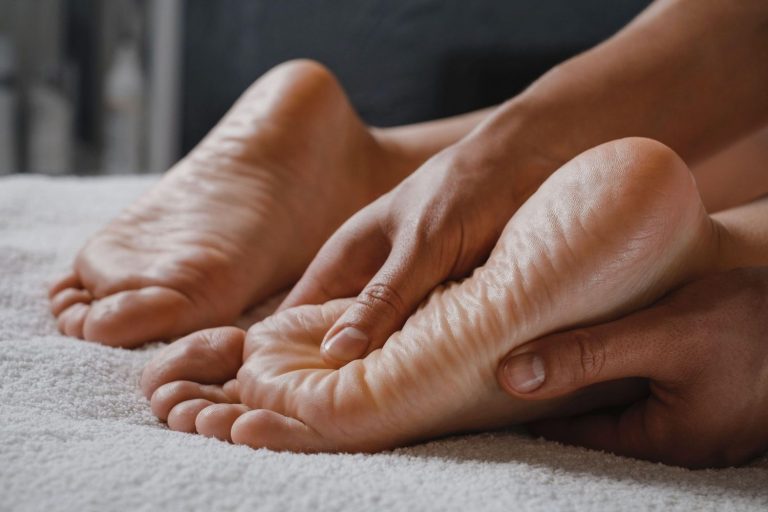
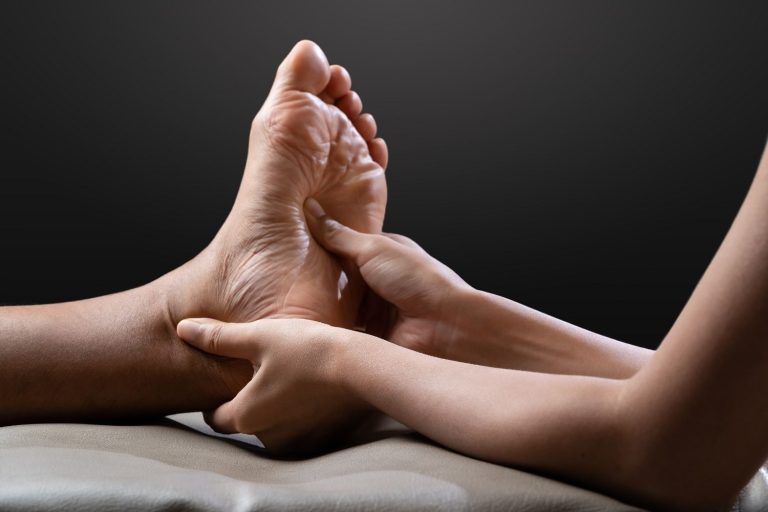
Reflexology for better sleep works by applying targeted pressure to specific points on the feet and hands that are linked to relaxation and nervous system regulation. If you struggle to quiet a racing mind at night, regular reflexology for better sleep sessions may help lower stress hormones, ease tension, and guide your body into the calm state it needs to fall — and stay — asleep. At Kinetic Physical Therapy and Wellness in Greenville, NC, our certified reflexologists tailor every session to your unique needs so you can finally get the rest you deserve.
Reflexology for Better Sleep Starts with a Simple Idea
Reflexology for better sleep starts with a simple idea: your feet are a map of your entire body. Practitioners believe that specific reflex points on the feet and hands correspond to organs and systems throughout the body, including the nervous system that governs how relaxed or alert you feel. When those points are stimulated with gentle, precise pressure, the body’s stress response can shift from “fight or flight” into “rest and digest,” which is exactly the state your mind and body need to be in before bedtime.
If you’ve spent countless nights staring at the ceiling with your thoughts spinning, you’re not alone. Chronic stress, screen time, and busy schedules keep millions of people wired long after their heads hit the pillow. Reflexology offers a natural, non-invasive way to interrupt that cycle. Rather than masking the problem with sleep aids, reflexology for better sleep works with your body’s own relaxation mechanisms to help you wind down more effectively, night after night.
What Is Reflexology for Better Sleep?
Reflexology for better sleep is a therapeutic technique that focuses on applying pressure to specific zones on the feet, hands, and sometimes ears. Each of these zones is believed to correspond to a different area of the body, and stimulating them is thought to encourage healing, balance, and relaxation throughout your system. Unlike a standard foot rub, reflexology is a purposeful practice rooted in the idea that the body has an innate ability to restore itself when given the right kind of touch.
For people dealing with sleep difficulties, reflexology for better sleep specifically targets points associated with the nervous system, the endocrine glands that regulate hormones like cortisol and melatonin, and areas connected to tension and anxiety. A skilled reflexologist will often spend extra time on these zones during a session that’s focused on sleep and relaxation, using slow, rhythmic pressure to signal to your nervous system that it’s safe to slow down.
This is part of why so many people describe reflexology sessions as deeply calming, even meditative. It’s not just the physical sensation of pressure relief in tired feet — it’s the full-body shift from a stressed, overstimulated state into one of genuine rest. That shift is the foundation of reflexology for better sleep, and it’s a big reason patients keep coming back for it.
How Reflexology for Better Sleep Calms a Racing Mind
A racing mind at bedtime is often a sign that your nervous system is stuck in overdrive. Reflexology for better sleep addresses this directly by activating the parasympathetic nervous system, the part of your body responsible for slowing your heart rate, lowering blood pressure, and easing muscle tension. When a reflexologist applies steady pressure to points connected to the head, neck, and solar plexus, many patients report an almost immediate sense of mental quiet, as if the volume on their thoughts has been turned down.
This response isn’t just anecdotal. The repetitive, rhythmic nature of reflexology touch has been shown to reduce circulating stress hormones and promote the release of feel-good neurochemicals like serotonin, which plays a key role in regulating mood and the sleep-wake cycle. Over the course of a session, this can translate into a noticeable easing of the mental chatter that so often keeps people awake.
Reflexology for better sleep also has a practical, sensory component. The simple act of removing your shoes, settling into a quiet treatment room, and focusing on the sensations in your feet gives your brain permission to step away from the day’s stressors. For many patients, this dedicated, screen-free window of stillness is just as valuable as the physical technique itself.
The Sleep-Stress Connection: Why Reflexology for Better Sleep Works
Sleep and stress are deeply intertwined. When your body perceives stress, it produces cortisol, a hormone that’s meant to keep you alert and ready to respond to danger. The problem is that modern stress rarely goes away quickly, so cortisol levels can stay elevated well into the evening, making it harder to unwind even when you’re exhausted.
Reflexology for better sleep helps interrupt this pattern by triggering the body’s natural relaxation response. As pressure is applied to key reflex points, circulation improves, muscle tension releases, and the nervous system gradually shifts out of its heightened, stress-reactive state. This is one of the reasons reflexology is often recommended alongside other stress-management strategies for people who deal with insomnia, restless nights, or difficulty settling their thoughts.
It’s worth noting that reflexology isn’t a substitute for medical treatment of diagnosed sleep disorders. However, as a complementary approach, reflexology for better sleep can be a valuable part of a broader wellness routine, especially when paired with consistent sleep habits and stress reduction practices.
What to Expect During a Reflexology for Better Sleep Session
If you’re considering reflexology for better sleep for the first time, knowing what to expect can help you relax into the experience from the start. A typical session includes:
- A brief conversation about your sleep concerns, stress levels, and any areas of tension you’d like the practitioner to focus on
- Time settling into a comfortable, reclined position with your feet elevated
- Gentle cleansing of the feet followed by the application of soothing oils or lotion
- Targeted pressure applied to specific reflex zones associated with relaxation, the nervous system, and hormone regulation
- A calm, quiet environment designed to help you fully unwind during the session
Sessions typically last around 90 minutes, giving your practitioner enough time to work through the full range of reflex points while allowing your body to settle into a deeply relaxed state. Many patients find that they feel noticeably calmer immediately afterward, with the effects of reflexology for better sleep often extending into that night’s rest and beyond.
Tips to Get the Most Out of Reflexology for Better Sleep
To maximize the benefits of reflexology for better sleep, consider pairing your sessions with a few simple habits:
- Schedule sessions in the early evening when possible, so the relaxation effects carry directly into your bedtime routine
- Avoid caffeine or heavy meals close to your appointment
- Keep your phone and other screens out of reach for at least 30 minutes before and after your session
- Stay consistent — regular sessions tend to produce more noticeable, lasting improvements than a single visit
- Combine reflexology with other relaxation practices, like light stretching or deep breathing, for a more complete wind-down routine
Consistency is key. Just as one good night’s sleep won’t undo months of poor sleep habits, one reflexology session is unlikely to solve chronic insomnia on its own. Building reflexology for better sleep into a regular self-care routine gives your nervous system repeated opportunities to practice shifting into a calmer, more restful state.
Frequently Asked Questions About Reflexology for Better Sleep
Many patients notice a sense of calm immediately after their first session, and some report falling asleep more easily that same night. That said, reflexology for better sleep tends to work best as a cumulative practice. Most people see the most consistent, lasting improvements in sleep quality after several regular sessions, since each visit gives the nervous system another opportunity to practice shifting out of a stressed state.
Reflexology is generally considered a safe, non-invasive complementary therapy and can typically be used alongside prescribed sleep aids. However, it should never replace medical treatment for a diagnosed sleep disorder. If you take sleep medication or have an underlying health condition, it’s a good idea to mention this during your consultation so your reflexologist can tailor the session appropriately.
Practitioners often focus on points connected to the head, solar plexus, and endocrine glands, since these areas are associated with the nervous system and hormone regulation. Applying steady, rhythmic pressure to these zones is a core part of how reflexology for better sleep helps calm a racing mind and prepare the body for rest.
There’s no one-size-fits-all answer, but many patients start with weekly or biweekly sessions and adjust based on how their sleep responds. Consistency matters more than frequency alone, so building reflexology for better sleep into a regular self-care routine — even monthly — tends to produce better results than occasional, one-off visits.
No. Reflexology involves firm but comfortable pressure, not the deep tissue work you might expect from a sports massage. Most patients describe the sensation as relaxing rather than painful, which is part of why reflexology for better sleep is so effective at helping the body unwind before bedtime.
Yes. Reflexology for better sleep is designed to calm the nervous system as a whole, which makes it especially helpful for people whose sleep struggles stem from stress, anxiety, or an overactive mind rather than a diagnosed sleep disorder. By encouraging your body out of a stress response and into a relaxed state, reflexology can address the root of a racing mind rather than just the symptom of poor sleep.
👣 Looking for a natural way to reduce stress and enhance overall wellness? Discover the healing benefits of Reflexology at Kinetic Physical Therapy and Wellness in Greenville, NC! Our expert therapists use targeted pressure techniques on specific points of your feet, hands, and ears to promote relaxation, improve circulation, and restore balance to your body. Whether you’re seeking relief from stress, pain, or simply looking to boost your well-being, our personalized reflexology sessions are designed to meet your unique needs. 🌿 Step into relaxation—book your Reflexology session today and start your journey to better health!
Please Share
Facebook
Twitter
LinkedIn
categories
Recent Posts

Reflexology for Better Sleep
How Foot Therapy Can Calm a Racing Mind
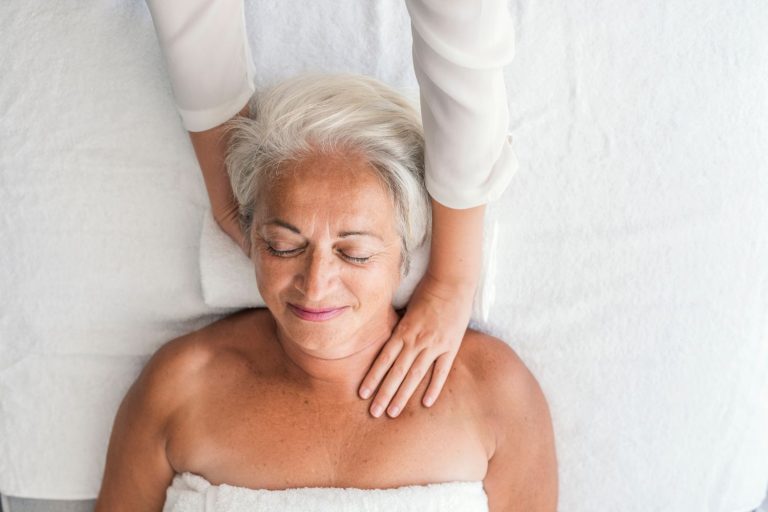
Reflexology for better sleep works by applying targeted pressure to specific points on the feet and hands that are linked to relaxation and nervous system regulation. If you struggle to quiet a racing mind at night, regular reflexology for better sleep sessions may help lower stress hormones, ease tension, and guide your body into the calm state it needs to fall — and stay — asleep. At Kinetic Physical Therapy and Wellness in Greenville, NC, our certified reflexologists tailor every session to your unique needs so you can finally get the rest you deserve.
Reflexology for Better Sleep Starts with a Simple Idea
Reflexology for better sleep starts with a simple idea: your feet are a map of your entire body. Practitioners believe that specific reflex points on the feet and hands correspond to organs and systems throughout the body, including the nervous system that governs how relaxed or alert you feel. When those points are stimulated with gentle, precise pressure, the body’s stress response can shift from “fight or flight” into “rest and digest,” which is exactly the state your mind and body need to be in before bedtime.
If you’ve spent countless nights staring at the ceiling with your thoughts spinning, you’re not alone. Chronic stress, screen time, and busy schedules keep millions of people wired long after their heads hit the pillow. Reflexology offers a natural, non-invasive way to interrupt that cycle. Rather than masking the problem with sleep aids, reflexology for better sleep works with your body’s own relaxation mechanisms to help you wind down more effectively, night after night.
What Is Reflexology for Better Sleep?
Reflexology for better sleep is a therapeutic technique that focuses on applying pressure to specific zones on the feet, hands, and sometimes ears. Each of these zones is believed to correspond to a different area of the body, and stimulating them is thought to encourage healing, balance, and relaxation throughout your system. Unlike a standard foot rub, reflexology is a purposeful practice rooted in the idea that the body has an innate ability to restore itself when given the right kind of touch.
For people dealing with sleep difficulties, reflexology for better sleep specifically targets points associated with the nervous system, the endocrine glands that regulate hormones like cortisol and melatonin, and areas connected to tension and anxiety. A skilled reflexologist will often spend extra time on these zones during a session that’s focused on sleep and relaxation, using slow, rhythmic pressure to signal to your nervous system that it’s safe to slow down.
This is part of why so many people describe reflexology sessions as deeply calming, even meditative. It’s not just the physical sensation of pressure relief in tired feet — it’s the full-body shift from a stressed, overstimulated state into one of genuine rest. That shift is the foundation of reflexology for better sleep, and it’s a big reason patients keep coming back for it.
How Reflexology for Better Sleep Calms a Racing Mind
A racing mind at bedtime is often a sign that your nervous system is stuck in overdrive. Reflexology for better sleep addresses this directly by activating the parasympathetic nervous system, the part of your body responsible for slowing your heart rate, lowering blood pressure, and easing muscle tension. When a reflexologist applies steady pressure to points connected to the head, neck, and solar plexus, many patients report an almost immediate sense of mental quiet, as if the volume on their thoughts has been turned down.
This response isn’t just anecdotal. The repetitive, rhythmic nature of reflexology touch has been shown to reduce circulating stress hormones and promote the release of feel-good neurochemicals like serotonin, which plays a key role in regulating mood and the sleep-wake cycle. Over the course of a session, this can translate into a noticeable easing of the mental chatter that so often keeps people awake.
Reflexology for better sleep also has a practical, sensory component. The simple act of removing your shoes, settling into a quiet treatment room, and focusing on the sensations in your feet gives your brain permission to step away from the day’s stressors. For many patients, this dedicated, screen-free window of stillness is just as valuable as the physical technique itself.
The Sleep-Stress Connection: Why Reflexology for Better Sleep Works
Sleep and stress are deeply intertwined. When your body perceives stress, it produces cortisol, a hormone that’s meant to keep you alert and ready to respond to danger. The problem is that modern stress rarely goes away quickly, so cortisol levels can stay elevated well into the evening, making it harder to unwind even when you’re exhausted.
Reflexology for better sleep helps interrupt this pattern by triggering the body’s natural relaxation response. As pressure is applied to key reflex points, circulation improves, muscle tension releases, and the nervous system gradually shifts out of its heightened, stress-reactive state. This is one of the reasons reflexology is often recommended alongside other stress-management strategies for people who deal with insomnia, restless nights, or difficulty settling their thoughts.
It’s worth noting that reflexology isn’t a substitute for medical treatment of diagnosed sleep disorders. However, as a complementary approach, reflexology for better sleep can be a valuable part of a broader wellness routine, especially when paired with consistent sleep habits and stress reduction practices.
What to Expect During a Reflexology for Better Sleep Session
If you’re considering reflexology for better sleep for the first time, knowing what to expect can help you relax into the experience from the start. A typical session includes:
- A brief conversation about your sleep concerns, stress levels, and any areas of tension you’d like the practitioner to focus on
- Time settling into a comfortable, reclined position with your feet elevated
- Gentle cleansing of the feet followed by the application of soothing oils or lotion
- Targeted pressure applied to specific reflex zones associated with relaxation, the nervous system, and hormone regulation
- A calm, quiet environment designed to help you fully unwind during the session
Sessions typically last around 90 minutes, giving your practitioner enough time to work through the full range of reflex points while allowing your body to settle into a deeply relaxed state. Many patients find that they feel noticeably calmer immediately afterward, with the effects of reflexology for better sleep often extending into that night’s rest and beyond.
Tips to Get the Most Out of Reflexology for Better Sleep
To maximize the benefits of reflexology for better sleep, consider pairing your sessions with a few simple habits:
- Schedule sessions in the early evening when possible, so the relaxation effects carry directly into your bedtime routine
- Avoid caffeine or heavy meals close to your appointment
- Keep your phone and other screens out of reach for at least 30 minutes before and after your session
- Stay consistent — regular sessions tend to produce more noticeable, lasting improvements than a single visit
- Combine reflexology with other relaxation practices, like light stretching or deep breathing, for a more complete wind-down routine
Consistency is key. Just as one good night’s sleep won’t undo months of poor sleep habits, one reflexology session is unlikely to solve chronic insomnia on its own. Building reflexology for better sleep into a regular self-care routine gives your nervous system repeated opportunities to practice shifting into a calmer, more restful state.
Frequently Asked Questions About Reflexology for Better Sleep
Many patients notice a sense of calm immediately after their first session, and some report falling asleep more easily that same night. That said, reflexology for better sleep tends to work best as a cumulative practice. Most people see the most consistent, lasting improvements in sleep quality after several regular sessions, since each visit gives the nervous system another opportunity to practice shifting out of a stressed state.
Reflexology is generally considered a safe, non-invasive complementary therapy and can typically be used alongside prescribed sleep aids. However, it should never replace medical treatment for a diagnosed sleep disorder. If you take sleep medication or have an underlying health condition, it’s a good idea to mention this during your consultation so your reflexologist can tailor the session appropriately.
Practitioners often focus on points connected to the head, solar plexus, and endocrine glands, since these areas are associated with the nervous system and hormone regulation. Applying steady, rhythmic pressure to these zones is a core part of how reflexology for better sleep helps calm a racing mind and prepare the body for rest.
There’s no one-size-fits-all answer, but many patients start with weekly or biweekly sessions and adjust based on how their sleep responds. Consistency matters more than frequency alone, so building reflexology for better sleep into a regular self-care routine — even monthly — tends to produce better results than occasional, one-off visits.
No. Reflexology involves firm but comfortable pressure, not the deep tissue work you might expect from a sports massage. Most patients describe the sensation as relaxing rather than painful, which is part of why reflexology for better sleep is so effective at helping the body unwind before bedtime.
Yes. Reflexology for better sleep is designed to calm the nervous system as a whole, which makes it especially helpful for people whose sleep struggles stem from stress, anxiety, or an overactive mind rather than a diagnosed sleep disorder. By encouraging your body out of a stress response and into a relaxed state, reflexology can address the root of a racing mind rather than just the symptom of poor sleep.
👣 Looking for a natural way to reduce stress and enhance overall wellness? Discover the healing benefits of Reflexology at Kinetic Physical Therapy and Wellness in Greenville, NC! Our expert therapists use targeted pressure techniques on specific points of your feet, hands, and ears to promote relaxation, improve circulation, and restore balance to your body. Whether you’re seeking relief from stress, pain, or simply looking to boost your well-being, our personalized reflexology sessions are designed to meet your unique needs. 🌿 Step into relaxation—book your Reflexology session today and start your journey to better health!
Please Share
Facebook
Twitter
LinkedIn