



Cryotherapy for Post-Workout Soreness in Greenville, NC
When Should You Schedule a Session?
Cryotherapy for post-workout soreness can be a useful addition to a recovery routine when challenging exercise leaves your muscles feeling tired, stiff, or uncomfortable. Whether you are strength training, running, cycling, playing recreational sports, or increasing the intensity of your workouts, muscle soreness can make it harder to stay consistent with your routine. Knowing when to schedule a cold therapy session can help you develop a recovery strategy that fits your activity level and fitness goals.
At Kinetic Physical Therapy and Wellness in Greenville, NC, individualized care is the key to helping people achieve optimal outcomes. Rather than treating recovery as a one-size-fits-all process, the goal is to consider your training demands, physical condition, recovery needs, and overall goals. Cryotherapy for post-workout soreness may be one component of that personalized approach, helping active adults and athletes explore another way to support recovery after demanding physical activity.
TL;DR: Cryotherapy for Post-Workout Soreness
Cryotherapy for post-workout soreness involves brief exposure to very cold temperatures as part of a recovery routine after exercise. The ideal timing can depend on your workout, training schedule, recovery goals, and how your body responds to exercise. Some people choose a session shortly after a particularly demanding workout, while others incorporate cold therapy on recovery days or during periods of intense training. At Kinetic Physical Therapy and Wellness in Greenville, NC, a personalized approach can help determine how cold therapy may fit into your broader recovery plan.
Why Do Muscles Feel Sore After a Workout?
Muscle soreness after exercise is common, particularly when you begin a new training program, increase workout intensity, perform unfamiliar movements, or return to exercise after time away. Exercise places physical demands on muscle tissue, and the body’s response to those demands is part of the adaptation process that can contribute to improved strength and conditioning over time.
Delayed-onset muscle soreness, commonly called DOMS, often develops after unfamiliar or strenuous activity. Unlike discomfort that occurs immediately during an injury, DOMS typically becomes noticeable hours after exercise and may be most apparent one or two days later. It can include tenderness, stiffness, temporary reductions in range of motion, and discomfort when using the affected muscles.
Normal post-workout soreness generally improves gradually. However, sharp pain, significant swelling, bruising, weakness, inability to use a joint normally, or pain that continues to worsen may indicate something more than typical exercise-related soreness. Recognizing the difference is important because recovery techniques intended for ordinary soreness should not be used as a substitute for evaluating a potential injury.
How Cryotherapy for Post-Workout Soreness May Fit Into Recovery
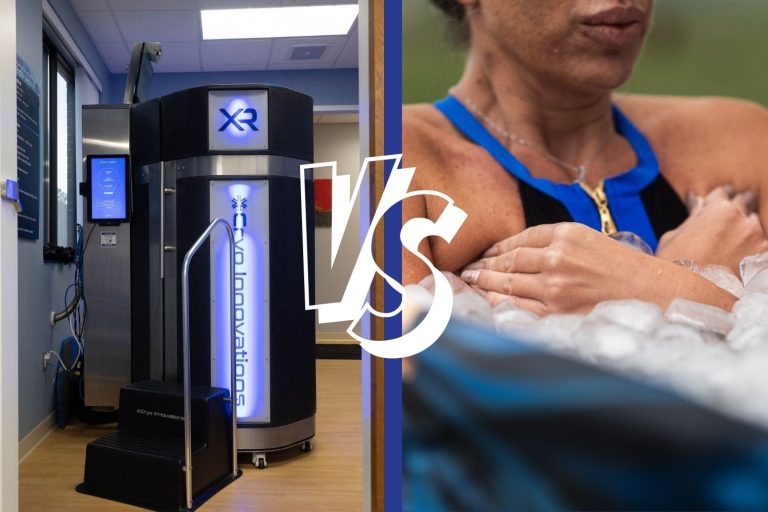
Cryotherapy for post-workout soreness is commonly considered by active individuals looking for ways to manage how they feel following demanding exercise. Whole-body cold exposure involves spending a short period in a controlled environment at very low temperatures. The experience differs from applying an ice pack to one specific body part because the cold exposure is more widespread.
People may choose Cryotherapy for post-workout soreness when stiffness or general muscle discomfort makes recovery between workouts challenging. Cold exposure may temporarily influence perceptions of soreness and discomfort, which is why it has become popular among athletes, recreational exercisers, and people with physically demanding routines.
Cold therapy should still be viewed as one part of recovery rather than a replacement for foundational habits. Appropriate rest, hydration, nutrition, sleep, mobility, and well-designed training remain important. The goal is to build a recovery routine in which each strategy serves a practical purpose.
When Should You Schedule a Session After Exercise?
There is no universal time that is best for every person. The ideal schedule depends on factors such as the type of exercise performed, workout intensity, how frequently you train, your recovery needs, and what you hope to accomplish with the session.
Some people prefer Cryotherapy for post-workout soreness soon after demanding exercise because they want to address discomfort as part of their immediate recovery routine. Others may schedule sessions later that day or on a recovery day when soreness becomes more noticeable.
Considerations that may influence your timing include:
- How intense or unfamiliar the workout was
- Whether you performed endurance or resistance exercise
- How frequently you are training
- Whether you have another workout or competition approaching
- How your body typically responds to demanding exercise
- The amount of soreness or stiffness you experience
- Your overall training and recovery goals
The important point is that recovery should be individualized. A schedule that works well for a competitive athlete training several times per week may not make sense for someone exercising recreationally two or three times per week.
Cryotherapy for Post-Workout Soreness Immediately After Exercise
Scheduling Cryotherapy for post-workout soreness relatively soon after exercise may appeal to people who want to make cold exposure part of their immediate recovery routine. This may be particularly relevant following demanding competitions, long training sessions, tournaments, races, or periods when maintaining short-term comfort between athletic events is a priority.
However, “sooner” does not automatically mean “better.” The appropriate timing can depend on the type of exercise and your goals. The physiological processes involved in adapting to exercise are complex, and repeatedly using aggressive recovery interventions immediately after every training session may not always align with every training objective.
This is one reason individualized guidance can be valuable. Rather than following a rigid rule after every workout, consider why you are using cold therapy and what you hope to accomplish.
Should You Wait Until the Next Day?
Post-workout soreness does not always appear immediately. You might finish a workout feeling good and wake up the following morning with stiff legs, tired shoulders, or tenderness in muscles you challenged the previous day. This delayed response is one reason some people prefer scheduling a cold therapy session the day after strenuous activity.
Using Cryotherapy for post-workout soreness on a recovery day may also fit conveniently into a balanced training schedule. Instead of trying to fit another recovery activity directly after a workout, you can dedicate a lighter day to recovery strategies.
A recovery day can incorporate several activities, such as:
- Gentle walking
- Light mobility exercises
- Appropriate stretching
- Adequate hydration
- Nutritious meals
- Quality sleep
- Cold therapy
- Other recovery services appropriate for your needs
The goal should be to support your body’s recovery without assuming that one technique can replace healthy training and recovery habits.
What Types of Workouts Commonly Cause Muscle Soreness?
Almost any form of physical activity can produce soreness when the workload exceeds what your body is accustomed to. However, certain activities are particularly likely to create noticeable muscle fatigue or delayed soreness.
Strength training is a common example, especially when exercises involve significant eccentric loading, which occurs when muscles lengthen while producing force. Running downhill, lowering a weight during resistance training, and decelerating during sports can all involve eccentric muscle actions.
You may consider Cryotherapy for post-workout soreness after activities such as:
- Strength and resistance training
- Running or distance training
- High-intensity interval training
- Cycling
- Pickleball or tennis
- Soccer and basketball
- Recreational sports leagues
- Hiking
- Cross-training
- Challenging fitness classes
- Athletic competitions
Even yardwork, home projects, or other physically demanding activities can create soreness when they require movements your body does not perform regularly.
Cryotherapy for Post-Workout Soreness During Intense Training Periods
Cryotherapy for post-workout soreness may be particularly appealing during periods when training demands increase. Runners preparing for a race, athletes entering a competitive season, or active adults participating in tournaments or demanding events may have less recovery time between bouts of physical activity.
During these periods, managing training load becomes especially important. Feeling sore does not necessarily mean you need to stop exercising, but persistent fatigue and declining performance can be signs that your body needs additional recovery.
Cold therapy can be considered alongside other recovery strategies rather than used to compensate for excessive training. If soreness repeatedly interferes with your workouts, it may be worth evaluating training volume, technique, mobility, sleep, nutrition, and other factors that influence recovery.
How Often Should You Schedule Cryotherapy?
There is no single frequency that is appropriate for everyone. Some individuals may use cold therapy occasionally after particularly strenuous workouts, while others may incorporate it more regularly during demanding training periods.
How often you schedule Cryotherapy for post-workout soreness may depend on your workout frequency, training intensity, goals, experience with cold exposure, and individual response. More sessions are not automatically better, and recovery strategies should be adjusted according to your needs.
Tracking how you feel can be useful. Pay attention to muscle soreness, energy, sleep, workout performance, and how quickly you feel ready for your next training session. These observations can help you determine whether your overall recovery routine is supporting your goals.
What Should You Do After a Cryotherapy Session?
Recovery does not end when the cold therapy session is over. The habits you maintain throughout the rest of the day and week remain important.
After a session, continue prioritizing the basics of healthy recovery. Drink enough fluids, eat balanced meals that support your nutritional needs, get sufficient sleep, and follow an appropriate training schedule. Light movement may also help you avoid feeling excessively stiff after strenuous activity.
Most importantly, listen to your body. If soreness feels unusually severe or is accompanied by symptoms that suggest an injury, additional cold therapy should not be used to simply mask the problem so you can continue training.
When Post-Workout Soreness May Be More Than Normal
Normal exercise-related soreness should gradually improve. Pain that is sharp, sudden, localized, or worsening deserves greater attention. You should also pay attention to significant swelling, bruising, instability, unusual weakness, numbness, or an inability to perform normal movements.
These symptoms can indicate that you are dealing with an injury rather than ordinary muscle soreness. Continuing to train through an injury may make the problem worse and potentially extend your recovery.
When you are uncertain about what you are experiencing, seeking an appropriate professional evaluation can help determine the next step. Recovery services are most useful when they are part of a thoughtful approach rather than a way to ignore warning signs from your body.
Build a Personalized Post-Workout Recovery Routine in Greenville, NC
Exercise recovery is highly individual. Your ideal routine will depend on your age, activity level, training schedule, fitness goals, previous injuries, and how your body responds to physical stress. What helps one athlete feel ready for the next workout may not have the same effect for someone else.
Cryotherapy for post-workout soreness can be incorporated alongside sleep, nutrition, hydration, mobility work, appropriate rest, and smart training progression. Taking a comprehensive approach to recovery can help you make decisions based on your individual needs instead of simply following the latest fitness trend.
If tough workouts are leaving you stiff, sore, and searching for a better recovery routine, Kinetic Physical Therapy and Wellness can help. Explore Cryotherapy for post-workout soreness in Greenville, NC and discover how personalized recovery strategies can complement your active lifestyle. Contact Kinetic Physical Therapy and Wellness today to learn more about cold therapy, discuss your recovery goals, and schedule a session.
Frequently Asked Questions About Cryotherapy for Post-Workout Soreness
The best time to schedule Cryotherapy for post-workout soreness can depend on your workout intensity, training goals, recovery needs, and how your body responds to exercise. Some people schedule a session relatively soon after strenuous activity, while others prefer later that day or the following day when muscle soreness becomes more noticeable. A personalized approach can help determine what timing makes the most sense for your recovery routine.
Cryotherapy is sometimes used by active adults and athletes as part of a recovery routine for delayed-onset muscle soreness, commonly called DOMS. Cold exposure may temporarily help with perceptions of muscle soreness and discomfort after strenuous exercise. However, it should complement—not replace—important recovery habits such as adequate sleep, hydration, nutrition, appropriate rest, and gradual training progression.
Either option may fit into a recovery plan depending on your needs. Scheduling Cryotherapy for post-workout soreness shortly after exercise may be convenient when immediate recovery is a priority, while scheduling it the following day may make sense when soreness develops gradually. Your training schedule, workout type, recovery goals, and upcoming activities can all influence the timing.
There is no single schedule that is right for everyone. The frequency of Cryotherapy for post-workout soreness can vary based on exercise intensity, training frequency, recovery goals, and individual response. Some people may schedule sessions after particularly challenging workouts, while others may incorporate them more regularly during periods of intense training. More frequent sessions are not necessarily better, so an individualized recovery strategy is important.
Cryotherapy may be considered after many types of demanding physical activity, including resistance training, running, cycling, high-intensity workouts, and recreational sports. Whether it makes sense for you depends more on the demands of your workout, your level of soreness, and your recovery goals than whether you performed strength training or cardiovascular exercise.
Typical post-workout soreness generally develops gradually and improves with time. Sharp or sudden pain, significant swelling, bruising, numbness, unusual weakness, joint instability, or pain that continues to worsen may indicate an injury rather than ordinary muscle soreness. In these situations, Cryotherapy for post-workout soreness should not be used simply to mask symptoms so you can continue exercising. An appropriate professional evaluation can help determine the cause of the pain and the best next steps.
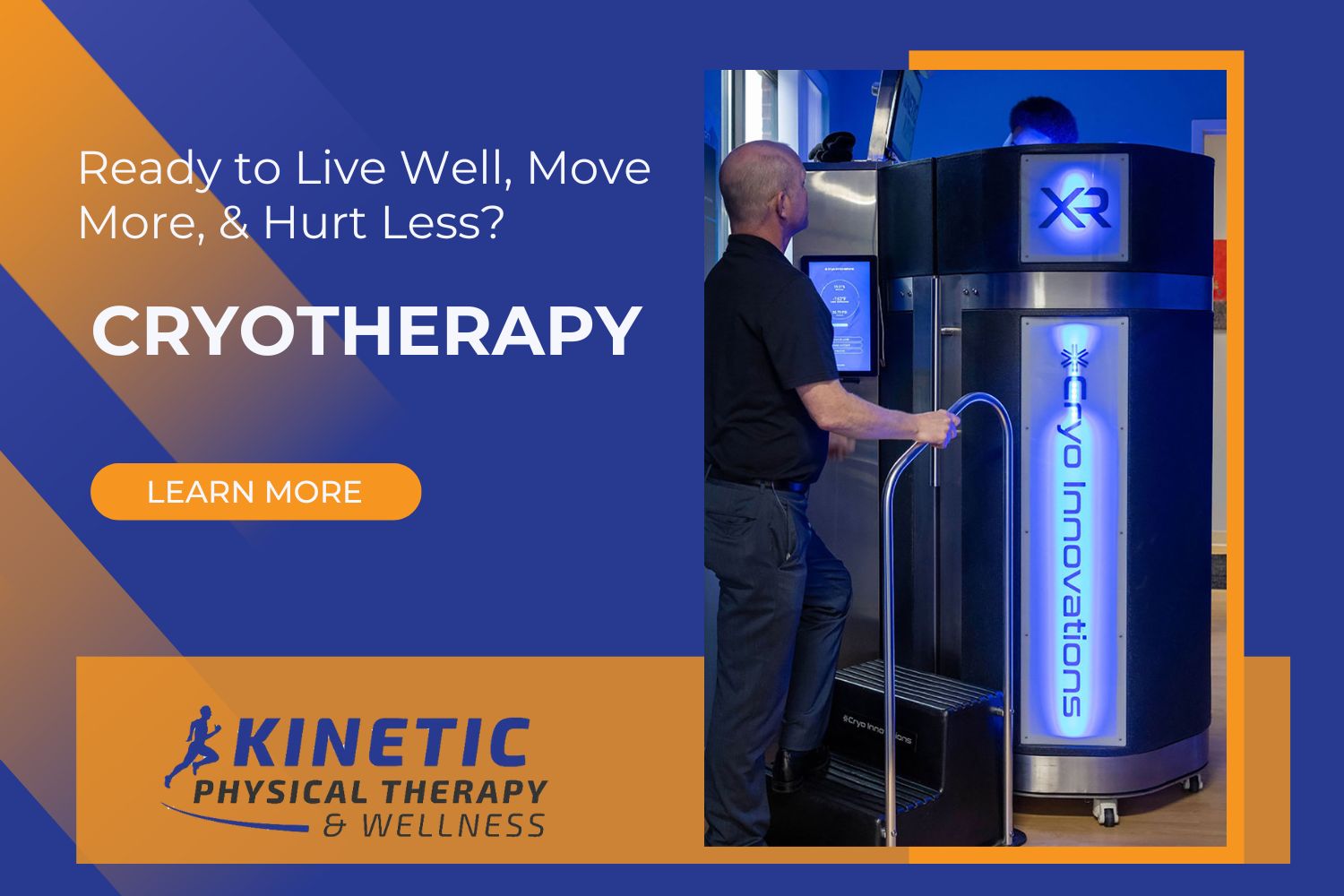
❄️ Ready to accelerate your recovery and reduce pain? Experience the cutting-edge benefits of Cryotherapy at Kinetic Physical Therapy and Wellness in Greenville, NC! Our state-of-the-art cryotherapy service is designed to help you recover faster, reduce inflammation, and boost overall wellness. Whether you’re an athlete looking to enhance performance or someone seeking relief from chronic pain, our personalized cryotherapy sessions are tailored to meet your unique needs. 🌟 Don’t wait—recharge your body with Cryotherapy today! Book your session now!
Please Share
Facebook
Twitter
LinkedIn
categories
Recent Posts


Cryotherapy for Post-Workout Soreness in Greenville, NC
When Should You Schedule a Session?
Cryotherapy for post-workout soreness can be a useful addition to a recovery routine when challenging exercise leaves your muscles feeling tired, stiff, or uncomfortable. Whether you are strength training, running, cycling, playing recreational sports, or increasing the intensity of your workouts, muscle soreness can make it harder to stay consistent with your routine. Knowing when to schedule a cold therapy session can help you develop a recovery strategy that fits your activity level and fitness goals.
At Kinetic Physical Therapy and Wellness in Greenville, NC, individualized care is the key to helping people achieve optimal outcomes. Rather than treating recovery as a one-size-fits-all process, the goal is to consider your training demands, physical condition, recovery needs, and overall goals. Cryotherapy for post-workout soreness may be one component of that personalized approach, helping active adults and athletes explore another way to support recovery after demanding physical activity.
TL;DR: Cryotherapy for Post-Workout Soreness
Cryotherapy for post-workout soreness involves brief exposure to very cold temperatures as part of a recovery routine after exercise. The ideal timing can depend on your workout, training schedule, recovery goals, and how your body responds to exercise. Some people choose a session shortly after a particularly demanding workout, while others incorporate cold therapy on recovery days or during periods of intense training. At Kinetic Physical Therapy and Wellness in Greenville, NC, a personalized approach can help determine how cold therapy may fit into your broader recovery plan.
Why Do Muscles Feel Sore After a Workout?
Muscle soreness after exercise is common, particularly when you begin a new training program, increase workout intensity, perform unfamiliar movements, or return to exercise after time away. Exercise places physical demands on muscle tissue, and the body’s response to those demands is part of the adaptation process that can contribute to improved strength and conditioning over time.
Delayed-onset muscle soreness, commonly called DOMS, often develops after unfamiliar or strenuous activity. Unlike discomfort that occurs immediately during an injury, DOMS typically becomes noticeable hours after exercise and may be most apparent one or two days later. It can include tenderness, stiffness, temporary reductions in range of motion, and discomfort when using the affected muscles.
Normal post-workout soreness generally improves gradually. However, sharp pain, significant swelling, bruising, weakness, inability to use a joint normally, or pain that continues to worsen may indicate something more than typical exercise-related soreness. Recognizing the difference is important because recovery techniques intended for ordinary soreness should not be used as a substitute for evaluating a potential injury.
How Cryotherapy for Post-Workout Soreness May Fit Into Recovery
Cryotherapy for post-workout soreness is commonly considered by active individuals looking for ways to manage how they feel following demanding exercise. Whole-body cold exposure involves spending a short period in a controlled environment at very low temperatures. The experience differs from applying an ice pack to one specific body part because the cold exposure is more widespread.
People may choose Cryotherapy for post-workout soreness when stiffness or general muscle discomfort makes recovery between workouts challenging. Cold exposure may temporarily influence perceptions of soreness and discomfort, which is why it has become popular among athletes, recreational exercisers, and people with physically demanding routines.
Cold therapy should still be viewed as one part of recovery rather than a replacement for foundational habits. Appropriate rest, hydration, nutrition, sleep, mobility, and well-designed training remain important. The goal is to build a recovery routine in which each strategy serves a practical purpose.
When Should You Schedule a Session After Exercise?
There is no universal time that is best for every person. The ideal schedule depends on factors such as the type of exercise performed, workout intensity, how frequently you train, your recovery needs, and what you hope to accomplish with the session.
Some people prefer Cryotherapy for post-workout soreness soon after demanding exercise because they want to address discomfort as part of their immediate recovery routine. Others may schedule sessions later that day or on a recovery day when soreness becomes more noticeable.
Considerations that may influence your timing include:
- How intense or unfamiliar the workout was
- Whether you performed endurance or resistance exercise
- How frequently you are training
- Whether you have another workout or competition approaching
- How your body typically responds to demanding exercise
- The amount of soreness or stiffness you experience
- Your overall training and recovery goals
The important point is that recovery should be individualized. A schedule that works well for a competitive athlete training several times per week may not make sense for someone exercising recreationally two or three times per week.
Cryotherapy for Post-Workout Soreness Immediately After Exercise
Scheduling Cryotherapy for post-workout soreness relatively soon after exercise may appeal to people who want to make cold exposure part of their immediate recovery routine. This may be particularly relevant following demanding competitions, long training sessions, tournaments, races, or periods when maintaining short-term comfort between athletic events is a priority.
However, “sooner” does not automatically mean “better.” The appropriate timing can depend on the type of exercise and your goals. The physiological processes involved in adapting to exercise are complex, and repeatedly using aggressive recovery interventions immediately after every training session may not always align with every training objective.
This is one reason individualized guidance can be valuable. Rather than following a rigid rule after every workout, consider why you are using cold therapy and what you hope to accomplish.
Should You Wait Until the Next Day?
Post-workout soreness does not always appear immediately. You might finish a workout feeling good and wake up the following morning with stiff legs, tired shoulders, or tenderness in muscles you challenged the previous day. This delayed response is one reason some people prefer scheduling a cold therapy session the day after strenuous activity.
Using Cryotherapy for post-workout soreness on a recovery day may also fit conveniently into a balanced training schedule. Instead of trying to fit another recovery activity directly after a workout, you can dedicate a lighter day to recovery strategies.
A recovery day can incorporate several activities, such as:
- Gentle walking
- Light mobility exercises
- Appropriate stretching
- Adequate hydration
- Nutritious meals
- Quality sleep
- Cold therapy
- Other recovery services appropriate for your needs
The goal should be to support your body’s recovery without assuming that one technique can replace healthy training and recovery habits.
What Types of Workouts Commonly Cause Muscle Soreness?
Almost any form of physical activity can produce soreness when the workload exceeds what your body is accustomed to. However, certain activities are particularly likely to create noticeable muscle fatigue or delayed soreness.
Strength training is a common example, especially when exercises involve significant eccentric loading, which occurs when muscles lengthen while producing force. Running downhill, lowering a weight during resistance training, and decelerating during sports can all involve eccentric muscle actions.
You may consider Cryotherapy for post-workout soreness after activities such as:
- Strength and resistance training
- Running or distance training
- High-intensity interval training
- Cycling
- Pickleball or tennis
- Soccer and basketball
- Recreational sports leagues
- Hiking
- Cross-training
- Challenging fitness classes
- Athletic competitions
Even yardwork, home projects, or other physically demanding activities can create soreness when they require movements your body does not perform regularly.
Cryotherapy for Post-Workout Soreness During Intense Training Periods
Cryotherapy for post-workout soreness may be particularly appealing during periods when training demands increase. Runners preparing for a race, athletes entering a competitive season, or active adults participating in tournaments or demanding events may have less recovery time between bouts of physical activity.
During these periods, managing training load becomes especially important. Feeling sore does not necessarily mean you need to stop exercising, but persistent fatigue and declining performance can be signs that your body needs additional recovery.
Cold therapy can be considered alongside other recovery strategies rather than used to compensate for excessive training. If soreness repeatedly interferes with your workouts, it may be worth evaluating training volume, technique, mobility, sleep, nutrition, and other factors that influence recovery.
How Often Should You Schedule Cryotherapy?
There is no single frequency that is appropriate for everyone. Some individuals may use cold therapy occasionally after particularly strenuous workouts, while others may incorporate it more regularly during demanding training periods.
How often you schedule Cryotherapy for post-workout soreness may depend on your workout frequency, training intensity, goals, experience with cold exposure, and individual response. More sessions are not automatically better, and recovery strategies should be adjusted according to your needs.
Tracking how you feel can be useful. Pay attention to muscle soreness, energy, sleep, workout performance, and how quickly you feel ready for your next training session. These observations can help you determine whether your overall recovery routine is supporting your goals.
What Should You Do After a Cryotherapy Session?
Recovery does not end when the cold therapy session is over. The habits you maintain throughout the rest of the day and week remain important.
After a session, continue prioritizing the basics of healthy recovery. Drink enough fluids, eat balanced meals that support your nutritional needs, get sufficient sleep, and follow an appropriate training schedule. Light movement may also help you avoid feeling excessively stiff after strenuous activity.
Most importantly, listen to your body. If soreness feels unusually severe or is accompanied by symptoms that suggest an injury, additional cold therapy should not be used to simply mask the problem so you can continue training.
When Post-Workout Soreness May Be More Than Normal
Normal exercise-related soreness should gradually improve. Pain that is sharp, sudden, localized, or worsening deserves greater attention. You should also pay attention to significant swelling, bruising, instability, unusual weakness, numbness, or an inability to perform normal movements.
These symptoms can indicate that you are dealing with an injury rather than ordinary muscle soreness. Continuing to train through an injury may make the problem worse and potentially extend your recovery.
When you are uncertain about what you are experiencing, seeking an appropriate professional evaluation can help determine the next step. Recovery services are most useful when they are part of a thoughtful approach rather than a way to ignore warning signs from your body.
Build a Personalized Post-Workout Recovery Routine in Greenville, NC
Exercise recovery is highly individual. Your ideal routine will depend on your age, activity level, training schedule, fitness goals, previous injuries, and how your body responds to physical stress. What helps one athlete feel ready for the next workout may not have the same effect for someone else.
Cryotherapy for post-workout soreness can be incorporated alongside sleep, nutrition, hydration, mobility work, appropriate rest, and smart training progression. Taking a comprehensive approach to recovery can help you make decisions based on your individual needs instead of simply following the latest fitness trend.
If tough workouts are leaving you stiff, sore, and searching for a better recovery routine, Kinetic Physical Therapy and Wellness can help. Explore Cryotherapy for post-workout soreness in Greenville, NC and discover how personalized recovery strategies can complement your active lifestyle. Contact Kinetic Physical Therapy and Wellness today to learn more about cold therapy, discuss your recovery goals, and schedule a session.
Frequently Asked Questions About Cryotherapy for Post-Workout Soreness
The best time to schedule Cryotherapy for post-workout soreness can depend on your workout intensity, training goals, recovery needs, and how your body responds to exercise. Some people schedule a session relatively soon after strenuous activity, while others prefer later that day or the following day when muscle soreness becomes more noticeable. A personalized approach can help determine what timing makes the most sense for your recovery routine.
Cryotherapy is sometimes used by active adults and athletes as part of a recovery routine for delayed-onset muscle soreness, commonly called DOMS. Cold exposure may temporarily help with perceptions of muscle soreness and discomfort after strenuous exercise. However, it should complement—not replace—important recovery habits such as adequate sleep, hydration, nutrition, appropriate rest, and gradual training progression.
Either option may fit into a recovery plan depending on your needs. Scheduling Cryotherapy for post-workout soreness shortly after exercise may be convenient when immediate recovery is a priority, while scheduling it the following day may make sense when soreness develops gradually. Your training schedule, workout type, recovery goals, and upcoming activities can all influence the timing.
There is no single schedule that is right for everyone. The frequency of Cryotherapy for post-workout soreness can vary based on exercise intensity, training frequency, recovery goals, and individual response. Some people may schedule sessions after particularly challenging workouts, while others may incorporate them more regularly during periods of intense training. More frequent sessions are not necessarily better, so an individualized recovery strategy is important.
Cryotherapy may be considered after many types of demanding physical activity, including resistance training, running, cycling, high-intensity workouts, and recreational sports. Whether it makes sense for you depends more on the demands of your workout, your level of soreness, and your recovery goals than whether you performed strength training or cardiovascular exercise.
Typical post-workout soreness generally develops gradually and improves with time. Sharp or sudden pain, significant swelling, bruising, numbness, unusual weakness, joint instability, or pain that continues to worsen may indicate an injury rather than ordinary muscle soreness. In these situations, Cryotherapy for post-workout soreness should not be used simply to mask symptoms so you can continue exercising. An appropriate professional evaluation can help determine the cause of the pain and the best next steps.
❄️ Ready to accelerate your recovery and reduce pain? Experience the cutting-edge benefits of Cryotherapy at Kinetic Physical Therapy and Wellness in Greenville, NC! Our state-of-the-art cryotherapy service is designed to help you recover faster, reduce inflammation, and boost overall wellness. Whether you’re an athlete looking to enhance performance or someone seeking relief from chronic pain, our personalized cryotherapy sessions are tailored to meet your unique needs. 🌟 Don’t wait—recharge your body with Cryotherapy today! Book your session now!
Please Share
Facebook
Twitter
LinkedIn
You May Also Like