



Aquatic Therapy for Chronic Fatigue in Greenville, NC
Low-Impact Exercise That Builds Energy
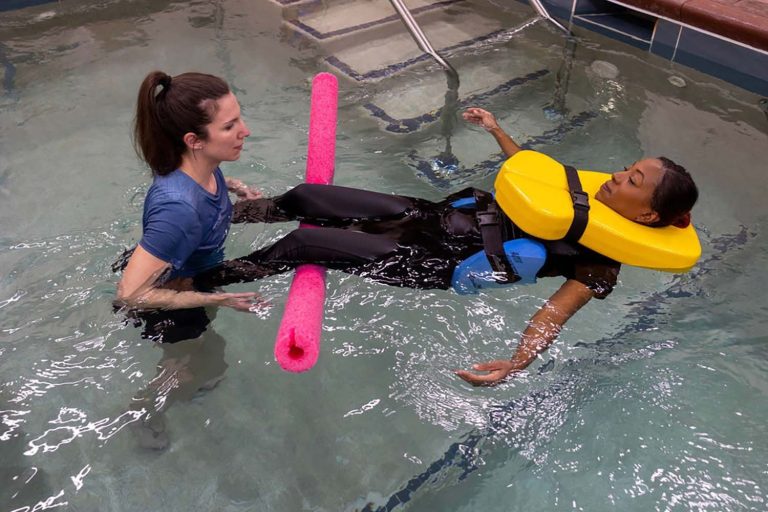
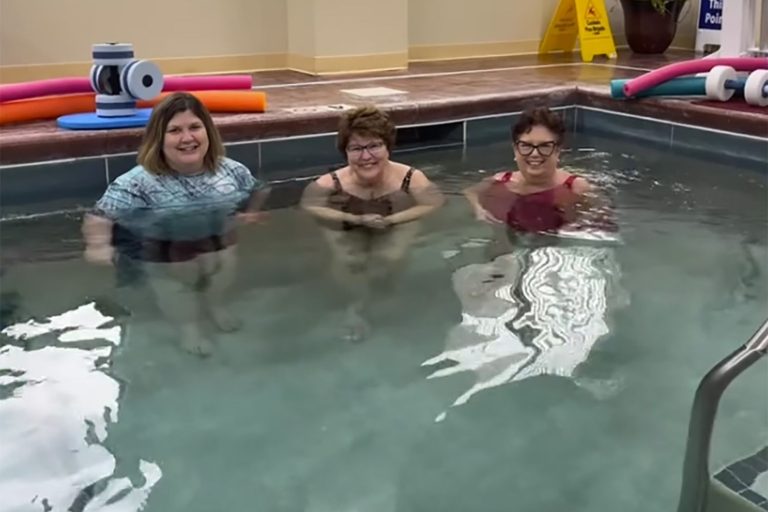
Aquatic Therapy for Chronic Fatigue offers a gentle, supportive approach to physical activity for individuals experiencing persistent tiredness, reduced stamina, and difficulty maintaining daily activities. Chronic fatigue can make even simple movements feel overwhelming, leaving individuals struggling to balance exercise, work, family responsibilities, and recovery. Water-based rehabilitation provides a low-impact environment where patients can explore comfortable movement, improve mobility, and work toward greater physical endurance without placing excessive stress on their joints and muscles.
At Kinetic Physical Therapy and Wellness in Greenville, NC, individualized patient care is the foundation of every treatment plan. Our experienced physical therapy professionals understand that persistent fatigue affects everyone differently, and there is no one-size-fits-all approach to recovery. Through carefully supervised aquatic exercise, patients can work toward improving physical function while respecting their energy limitations. Whether fatigue is associated with a chronic medical condition, prolonged inactivity, or recovery from illness, our goal is to help patients move more comfortably and participate in activities that matter to them.
TL;DR:
Aquatic Therapy for Chronic Fatigue uses the natural buoyancy, resistance, and supportive properties of water to make movement more manageable for people experiencing persistent exhaustion. Carefully tailored aquatic exercises may help improve mobility, muscle conditioning, circulation, and functional endurance without the joint stress associated with many land-based activities. However, individuals with myalgic encephalomyelitis/chronic fatigue syndrome (ME/CFS) or post-exertional malaise require special precautions because exercise can worsen symptoms. Kinetic Physical Therapy and Wellness in Greenville, NC provides individualized rehabilitation approaches designed around each patient’s health, physical abilities, and energy tolerance.
How Aquatic Therapy for Chronic Fatigue Supports Gentle Movement
Chronic fatigue is more than feeling tired after a busy day. Persistent exhaustion can interfere with concentration, mobility, sleep quality, and everyday responsibilities. Some individuals experience fatigue because of underlying medical conditions, while others develop reduced physical endurance following surgery, illness, or extended periods of inactivity. Understanding the cause of fatigue is an important first step toward determining which physical activities are appropriate.
Aquatic Therapy for Chronic Fatigue creates opportunities for controlled movement in a supportive environment. Water buoyancy reduces the amount of body weight supported by the lower extremities, making certain exercises feel more comfortable than comparable activities on land. This can be especially beneficial for individuals who experience joint discomfort, muscle weakness, or difficulty maintaining balance.
Unlike traditional exercise programs that may involve walking on hard surfaces, lifting weights, or performing repetitive movements against gravity, aquatic rehabilitation allows therapists to modify exercise intensity through water depth, movement speed, and resistance. These adjustments can help patients participate at an appropriate level without unnecessarily increasing physical demands.
Why Aquatic Therapy for Chronic Fatigue May Be Easier on the Body
One of the primary advantages of water-based rehabilitation is its ability to reduce the mechanical demands of movement. When the body is partially submerged, buoyancy supports a portion of its weight, reducing pressure on weight-bearing joints. For someone experiencing persistent fatigue alongside arthritis, muscle discomfort, or reduced mobility, this support may make gentle exercise more accessible.
Water also provides resistance in every direction, allowing muscles to engage during controlled movements without requiring heavy exercise equipment. Therapists can adjust the difficulty of an activity by changing its speed, range of motion, or the amount of resistance involved. These modifications are particularly useful when designing rehabilitation programs for individuals with fluctuating energy levels.
However, reduced joint stress does not necessarily mean reduced overall exertion. Moving through water still requires muscular and cardiovascular effort, and warm water can affect temperature regulation. Patients with significant fatigue, exercise intolerance, or post-exertional symptom worsening need careful evaluation before beginning aquatic rehabilitation.
Understanding Chronic Fatigue and Its Effects on Daily Life
Chronic fatigue can develop for many reasons, including sleep disorders, anemia, thyroid conditions, medication effects, chronic pain, autoimmune disorders, and other medical concerns. It may also occur after certain infections or alongside conditions such as long COVID. Because persistent exhaustion has many potential causes, individuals should seek medical evaluation rather than assuming that increasing physical activity will resolve their symptoms.
Fatigue often affects more than physical stamina. Individuals may notice difficulty completing household chores, walking through grocery stores, maintaining concentration at work, or participating in recreational activities. When fatigue persists, people may begin avoiding activities they previously enjoyed, potentially contributing to reduced mobility and physical conditioning.
For patients whose fatigue is associated with deconditioning and who do not experience post-exertional malaise, appropriately prescribed physical activity may help improve functional capacity over time. Aquatic Therapy for Chronic Fatigue may provide one option for gradually rebuilding activity tolerance when a healthcare professional determines that exercise is appropriate.
Recognizing Symptoms That May Affect Exercise Tolerance
People experiencing chronic fatigue may report a combination of symptoms that influence their ability to exercise safely, including:
- Persistent tiredness that does not improve adequately with rest
- Muscle weakness or reduced physical stamina
- Joint stiffness or discomfort during movement
- Difficulty concentrating or remembering information
- Unrefreshing sleep or disrupted sleep patterns
- Dizziness or lightheadedness when standing
- Increased fatigue following physical or mental activity
- Difficulty completing ordinary household or workplace tasks One particularly important symptom is post-exertional malaise, or PEM. This involves a worsening of symptoms following physical, cognitive, or emotional exertion, sometimes appearing hours or days after an activity. PEM is a defining feature of ME/CFS and can also occur in long COVID.
For individuals experiencing PEM, programs focused on progressively increasing exercise regardless of symptoms may be harmful. Rehabilitation should instead emphasize energy management, pacing, and staying within individual activity limits. Aquatic exercise is not automatically appropriate for these patients, even when the movements appear gentle.
Potential Benefits of Aquatic Therapy for Chronic Fatigue
When medically appropriate, water-based physical therapy can support several aspects of physical function. Rather than focusing exclusively on cardiovascular exercise, aquatic rehabilitation may address mobility, strength, balance, and confidence with everyday movements.
The potential benefits depend on the underlying cause of fatigue, the patient’s current health, and their response to activity. Although aquatic exercise has demonstrated benefits for certain rehabilitation conditions, research specifically supporting it as a treatment for chronic fatigue syndromes remains limited.
- Supporting Muscle Strength Without Heavy Joint Loading
Water resistance allows patients to engage muscle groups through gentle, controlled movements. Exercises such as supported leg lifts, arm movements, and short periods of water walking can target muscles used for standing, walking, and maintaining posture.
Because water supports body weight, some patients can practice movements that would otherwise be uncomfortable on land. This may help individuals with fatigue and accompanying musculoskeletal limitations participate in rehabilitation.
- Improving Mobility and Flexibility
Persistent fatigue sometimes occurs alongside joint stiffness, reduced flexibility, and limited movement. Warm water may help certain individuals feel more comfortable while performing gentle range-of-motion exercises.
Aquatic rehabilitation can incorporate controlled stretching and mobility activities designed to support everyday tasks such as reaching, bending, and walking. The emphasis should remain on comfortable movement rather than pushing through exhaustion.
- Encouraging Better Balance and Coordination
Individuals who have experienced prolonged inactivity or muscle weakness may feel uncertain about their balance. Water provides support while allowing patients to practice controlled weight shifting, stepping, and coordination exercises. With appropriate supervision, these activities may help improve confidence in movement. Patients who experience dizziness, fainting, or orthostatic intolerance require additional screening because entering or leaving the pool may present safety concerns.
- Supporting Functional Endurance When Appropriate
For individuals with fatigue related to reduced conditioning, carefully selected aquatic activities may help improve their ability to tolerate everyday physical demands.
Aquatic Therapy for Chronic Fatigue should not be approached as an endurance challenge. Any increases in activity should be based on individual responses, recovery patterns, and medical guidance rather than predetermined exercise targets.
- Promoting Relaxation and Comfortable Movement
Warm-water exercise may provide a relaxing environment for patients experiencing muscle tension or discomfort. The sensation of buoyancy can make movement feel less physically demanding and may encourage participation in gentle rehabilitation.
However, warmer water can worsen symptoms for some individuals, particularly those with heat intolerance or autonomic nervous system dysfunction. Water temperature and session duration should therefore be selected according to individual needs.
What to Expect During an Aquatic Rehabilitation Session in Greenville, NC
Patients considering aquatic rehabilitation should begin with a comprehensive physical therapy evaluation. This assessment helps determine whether water-based exercise is appropriate and identifies the safest starting point for treatment.
At Kinetic Physical Therapy and Wellness, the emphasis on individualized care means that treatment recommendations are based on the patient’s symptoms, physical limitations, medical history, and rehabilitation goals. A person recovering from prolonged inactivity may require a very different approach from someone managing a complex fatigue-related illness.
Common Exercises Used in Water-Based Rehabilitation
Depending on medical clearance and individual tolerance, an aquatic rehabilitation program may include:
- Water walking: Slow, controlled steps to practice walking mechanics and lower-body movement
- Gentle arm movements: Supported movements designed to maintain shoulder mobility and upper-body coordination
- Supported leg exercises: Small, comfortable movements targeting hip and knee function
- Balance activities: Carefully supervised weight shifting and standing exercises
- Range-of-motion exercises: Gentle movements intended to maintain joint flexibility
- Breathing and relaxation techniques: Activities that encourage controlled breathing and comfortable positioning
- Rest intervals: Planned recovery periods to prevent unnecessary exertion Not every patient will perform all these activities. Some individuals may benefit from a very short session focused on a limited number of movements, while others may require a different rehabilitation approach entirely.
For patients with PEM, even brief activity can trigger delayed symptom worsening. Therapists should account for symptoms after sessions, not simply how the patient feels while exercising.
How Aquatic Therapy for Chronic Fatigue Fits into an Energy Management Plan
Managing persistent fatigue often requires balancing activity with adequate recovery. This is particularly important because patients may experience significant differences in energy levels from one day to the next. A successful rehabilitation plan should account for these fluctuations rather than expecting consistent performance at every appointment.
Aquatic Therapy for Chronic Fatigue may complement broader strategies that include medical treatment, symptom monitoring, sleep management, and modifications to daily routines. For individuals without PEM, therapists may introduce activity at a tolerable level and reassess progress based on functional improvements.
For patients with ME/CFS or PEM, energy conservation and pacing take priority over exercise progression. The objective is to reduce symptom exacerbations and support essential daily activities, not to continually expand exercise duration or intensity.
Practical Strategies for Managing Energy Throughout the Day
Patients may benefit from incorporating the following habits into their daily routines:
- Schedule demanding activities during periods when energy is typically more stable.
- Break large household tasks into smaller, manageable steps.
- Alternate physical and mentally demanding activities with appropriate rest.
- Track symptoms to identify activities associated with delayed fatigue.
- Avoid pushing through exhaustion to meet exercise goals.
- Discuss persistent or worsening symptoms with a healthcare professional.
- Adjust rehabilitation activities when sleep, pain, illness, or other symptoms change. These strategies can help individuals better understand their personal activity limits. For some patients, improved energy management may be a more appropriate immediate goal than increasing physical exercise.
Who May Benefit from Aquatic Therapy for Chronic Fatigue?
Aquatic rehabilitation may be worth considering for people who experience persistent fatigue alongside physical limitations that make traditional land-based exercise uncomfortable. The suitability of treatment depends on the cause of fatigue and whether physical activity can be performed without triggering significant symptom worsening.
Potential candidates may include individuals experiencing:
- Reduced physical conditioning following an extended period of inactivity
- Muscle weakness after an illness or medical procedure
- Joint discomfort that limits comfortable walking or exercise
- Mobility restrictions associated with certain chronic health conditions
- Balance difficulties requiring supported movement
- Reduced functional endurance without post-exertional malaise Patients with unexplained fatigue should receive an appropriate medical evaluation before beginning an exercise program. Individuals with uncontrolled cardiovascular conditions, active infections, open wounds, significant temperature intolerance, or certain other medical concerns may also require additional precautions or may not be suitable for pool-based treatment.
When Aquatic Exercise May Not Be the Right Starting Point
Although aquatic rehabilitation can be helpful in certain circumstances, it is not the best choice for everyone. People who experience severe symptom crashes after exertion may need to focus first on pacing, symptom stabilization, and modifications to daily activities.
Patients with ME/CFS, long COVID with PEM, or significant orthostatic intolerance should work with healthcare professionals familiar with these conditions. Exercise should never be prescribed as a universal solution for chronic fatigue, and treatment should not require patients to push beyond their symptom limits.
Why Choose Kinetic Physical Therapy and Wellness in Greenville, NC?
Kinetic Physical Therapy and Wellness believes that individualized patient care is essential to achieving meaningful rehabilitation outcomes. Patients dealing with persistent fatigue often face unique challenges, making personalized treatment planning especially important.
Rather than assuming every patient needs the same exercises or level of physical activity, a patient-centered approach considers functional abilities, medical history, physical limitations, and personal goals. For individuals who are appropriate candidates, aquatic rehabilitation may be incorporated into a broader physical therapy plan designed to support comfortable movement and daily function.
The guiding philosophy of Kinetic Physical Therapy and Wellness is simple: Expert Care, Personalized Treatment, and Lasting Results. Whether someone wants to improve mobility, return to recreational activities, or make daily responsibilities more manageable, individualized rehabilitation can help identify realistic and meaningful goals.
Frequently Asked Questions About Aquatic Therapy for Chronic Fatigue
Water-based therapy can reduce weight-bearing stress and make certain movements more comfortable, particularly for individuals with joint pain or mobility restrictions. However, it is not necessarily less demanding on the cardiovascular system, and there is insufficient evidence to conclude that it is universally better for chronic fatigue.
Session frequency depends on the individual’s medical condition, activity tolerance, and recovery response. A physical therapist can help determine whether aquatic exercise is appropriate and recommend a personalized schedule. Patients with PEM should not follow fixed exercise progression schedules that disregard symptoms.
Water resistance can be used to strengthen muscles through controlled movements. For individuals with weakness related to deconditioning, supervised aquatic exercises may support improvements in strength and mobility when performed at an appropriate intensity.
Some individuals with long COVID may tolerate carefully selected aquatic activities, but others experience PEM, dizziness, orthostatic intolerance, or heat sensitivity. These symptoms can make aquatic exercise unsuitable or require substantial modifications. Medical evaluation and individualized guidance are essential.
A physical therapy evaluation is recommended to assess strength, mobility, balance, exercise tolerance, and medical precautions. Because chronic fatigue can have multiple underlying causes, an appropriate medical assessment is also important before beginning a new rehabilitation program.
Please Share
Facebook
Twitter
LinkedIn
categories
Recent Posts

Aquatic Therapy for Chronic Fatigue in Greenville, NC
Low-Impact Exercise That Builds Energy
Aquatic Therapy for Chronic Fatigue offers a gentle, supportive approach to physical activity for individuals experiencing persistent tiredness, reduced stamina, and difficulty maintaining daily activities. Chronic fatigue can make even simple movements feel overwhelming, leaving individuals struggling to balance exercise, work, family responsibilities, and recovery. Water-based rehabilitation provides a low-impact environment where patients can explore comfortable movement, improve mobility, and work toward greater physical endurance without placing excessive stress on their joints and muscles.
At Kinetic Physical Therapy and Wellness in Greenville, NC, individualized patient care is the foundation of every treatment plan. Our experienced physical therapy professionals understand that persistent fatigue affects everyone differently, and there is no one-size-fits-all approach to recovery. Through carefully supervised aquatic exercise, patients can work toward improving physical function while respecting their energy limitations. Whether fatigue is associated with a chronic medical condition, prolonged inactivity, or recovery from illness, our goal is to help patients move more comfortably and participate in activities that matter to them.
TL;DR:
Aquatic Therapy for Chronic Fatigue uses the natural buoyancy, resistance, and supportive properties of water to make movement more manageable for people experiencing persistent exhaustion. Carefully tailored aquatic exercises may help improve mobility, muscle conditioning, circulation, and functional endurance without the joint stress associated with many land-based activities. However, individuals with myalgic encephalomyelitis/chronic fatigue syndrome (ME/CFS) or post-exertional malaise require special precautions because exercise can worsen symptoms. Kinetic Physical Therapy and Wellness in Greenville, NC provides individualized rehabilitation approaches designed around each patient’s health, physical abilities, and energy tolerance.
How Aquatic Therapy for Chronic Fatigue Supports Gentle Movement
Chronic fatigue is more than feeling tired after a busy day. Persistent exhaustion can interfere with concentration, mobility, sleep quality, and everyday responsibilities. Some individuals experience fatigue because of underlying medical conditions, while others develop reduced physical endurance following surgery, illness, or extended periods of inactivity. Understanding the cause of fatigue is an important first step toward determining which physical activities are appropriate.
Aquatic Therapy for Chronic Fatigue creates opportunities for controlled movement in a supportive environment. Water buoyancy reduces the amount of body weight supported by the lower extremities, making certain exercises feel more comfortable than comparable activities on land. This can be especially beneficial for individuals who experience joint discomfort, muscle weakness, or difficulty maintaining balance.
Unlike traditional exercise programs that may involve walking on hard surfaces, lifting weights, or performing repetitive movements against gravity, aquatic rehabilitation allows therapists to modify exercise intensity through water depth, movement speed, and resistance. These adjustments can help patients participate at an appropriate level without unnecessarily increasing physical demands.
Why Aquatic Therapy for Chronic Fatigue May Be Easier on the Body
One of the primary advantages of water-based rehabilitation is its ability to reduce the mechanical demands of movement. When the body is partially submerged, buoyancy supports a portion of its weight, reducing pressure on weight-bearing joints. For someone experiencing persistent fatigue alongside arthritis, muscle discomfort, or reduced mobility, this support may make gentle exercise more accessible.
Water also provides resistance in every direction, allowing muscles to engage during controlled movements without requiring heavy exercise equipment. Therapists can adjust the difficulty of an activity by changing its speed, range of motion, or the amount of resistance involved. These modifications are particularly useful when designing rehabilitation programs for individuals with fluctuating energy levels.
However, reduced joint stress does not necessarily mean reduced overall exertion. Moving through water still requires muscular and cardiovascular effort, and warm water can affect temperature regulation. Patients with significant fatigue, exercise intolerance, or post-exertional symptom worsening need careful evaluation before beginning aquatic rehabilitation.
Understanding Chronic Fatigue and Its Effects on Daily Life
Chronic fatigue can develop for many reasons, including sleep disorders, anemia, thyroid conditions, medication effects, chronic pain, autoimmune disorders, and other medical concerns. It may also occur after certain infections or alongside conditions such as long COVID. Because persistent exhaustion has many potential causes, individuals should seek medical evaluation rather than assuming that increasing physical activity will resolve their symptoms.
Fatigue often affects more than physical stamina. Individuals may notice difficulty completing household chores, walking through grocery stores, maintaining concentration at work, or participating in recreational activities. When fatigue persists, people may begin avoiding activities they previously enjoyed, potentially contributing to reduced mobility and physical conditioning.
For patients whose fatigue is associated with deconditioning and who do not experience post-exertional malaise, appropriately prescribed physical activity may help improve functional capacity over time. Aquatic Therapy for Chronic Fatigue may provide one option for gradually rebuilding activity tolerance when a healthcare professional determines that exercise is appropriate.
Recognizing Symptoms That May Affect Exercise Tolerance
People experiencing chronic fatigue may report a combination of symptoms that influence their ability to exercise safely, including:
- Persistent tiredness that does not improve adequately with rest
- Muscle weakness or reduced physical stamina
- Joint stiffness or discomfort during movement
- Difficulty concentrating or remembering information
- Unrefreshing sleep or disrupted sleep patterns
- Dizziness or lightheadedness when standing
- Increased fatigue following physical or mental activity
- Difficulty completing ordinary household or workplace tasks One particularly important symptom is post-exertional malaise, or PEM. This involves a worsening of symptoms following physical, cognitive, or emotional exertion, sometimes appearing hours or days after an activity. PEM is a defining feature of ME/CFS and can also occur in long COVID.
For individuals experiencing PEM, programs focused on progressively increasing exercise regardless of symptoms may be harmful. Rehabilitation should instead emphasize energy management, pacing, and staying within individual activity limits. Aquatic exercise is not automatically appropriate for these patients, even when the movements appear gentle.
Potential Benefits of Aquatic Therapy for Chronic Fatigue
When medically appropriate, water-based physical therapy can support several aspects of physical function. Rather than focusing exclusively on cardiovascular exercise, aquatic rehabilitation may address mobility, strength, balance, and confidence with everyday movements.
The potential benefits depend on the underlying cause of fatigue, the patient’s current health, and their response to activity. Although aquatic exercise has demonstrated benefits for certain rehabilitation conditions, research specifically supporting it as a treatment for chronic fatigue syndromes remains limited.
- Supporting Muscle Strength Without Heavy Joint Loading
Water resistance allows patients to engage muscle groups through gentle, controlled movements. Exercises such as supported leg lifts, arm movements, and short periods of water walking can target muscles used for standing, walking, and maintaining posture.
Because water supports body weight, some patients can practice movements that would otherwise be uncomfortable on land. This may help individuals with fatigue and accompanying musculoskeletal limitations participate in rehabilitation.
- Improving Mobility and Flexibility
Persistent fatigue sometimes occurs alongside joint stiffness, reduced flexibility, and limited movement. Warm water may help certain individuals feel more comfortable while performing gentle range-of-motion exercises.
Aquatic rehabilitation can incorporate controlled stretching and mobility activities designed to support everyday tasks such as reaching, bending, and walking. The emphasis should remain on comfortable movement rather than pushing through exhaustion.
- Encouraging Better Balance and Coordination
Individuals who have experienced prolonged inactivity or muscle weakness may feel uncertain about their balance. Water provides support while allowing patients to practice controlled weight shifting, stepping, and coordination exercises. With appropriate supervision, these activities may help improve confidence in movement. Patients who experience dizziness, fainting, or orthostatic intolerance require additional screening because entering or leaving the pool may present safety concerns.
- Supporting Functional Endurance When Appropriate
For individuals with fatigue related to reduced conditioning, carefully selected aquatic activities may help improve their ability to tolerate everyday physical demands.
Aquatic Therapy for Chronic Fatigue should not be approached as an endurance challenge. Any increases in activity should be based on individual responses, recovery patterns, and medical guidance rather than predetermined exercise targets.
- Promoting Relaxation and Comfortable Movement
Warm-water exercise may provide a relaxing environment for patients experiencing muscle tension or discomfort. The sensation of buoyancy can make movement feel less physically demanding and may encourage participation in gentle rehabilitation.
However, warmer water can worsen symptoms for some individuals, particularly those with heat intolerance or autonomic nervous system dysfunction. Water temperature and session duration should therefore be selected according to individual needs.
What to Expect During an Aquatic Rehabilitation Session in Greenville, NC
Patients considering aquatic rehabilitation should begin with a comprehensive physical therapy evaluation. This assessment helps determine whether water-based exercise is appropriate and identifies the safest starting point for treatment.
At Kinetic Physical Therapy and Wellness, the emphasis on individualized care means that treatment recommendations are based on the patient’s symptoms, physical limitations, medical history, and rehabilitation goals. A person recovering from prolonged inactivity may require a very different approach from someone managing a complex fatigue-related illness.
Common Exercises Used in Water-Based Rehabilitation
Depending on medical clearance and individual tolerance, an aquatic rehabilitation program may include:
- Water walking: Slow, controlled steps to practice walking mechanics and lower-body movement
- Gentle arm movements: Supported movements designed to maintain shoulder mobility and upper-body coordination
- Supported leg exercises: Small, comfortable movements targeting hip and knee function
- Balance activities: Carefully supervised weight shifting and standing exercises
- Range-of-motion exercises: Gentle movements intended to maintain joint flexibility
- Breathing and relaxation techniques: Activities that encourage controlled breathing and comfortable positioning
- Rest intervals: Planned recovery periods to prevent unnecessary exertion Not every patient will perform all these activities. Some individuals may benefit from a very short session focused on a limited number of movements, while others may require a different rehabilitation approach entirely.
For patients with PEM, even brief activity can trigger delayed symptom worsening. Therapists should account for symptoms after sessions, not simply how the patient feels while exercising.
How Aquatic Therapy for Chronic Fatigue Fits into an Energy Management Plan
Managing persistent fatigue often requires balancing activity with adequate recovery. This is particularly important because patients may experience significant differences in energy levels from one day to the next. A successful rehabilitation plan should account for these fluctuations rather than expecting consistent performance at every appointment.
Aquatic Therapy for Chronic Fatigue may complement broader strategies that include medical treatment, symptom monitoring, sleep management, and modifications to daily routines. For individuals without PEM, therapists may introduce activity at a tolerable level and reassess progress based on functional improvements.
For patients with ME/CFS or PEM, energy conservation and pacing take priority over exercise progression. The objective is to reduce symptom exacerbations and support essential daily activities, not to continually expand exercise duration or intensity.
Practical Strategies for Managing Energy Throughout the Day
Patients may benefit from incorporating the following habits into their daily routines:
- Schedule demanding activities during periods when energy is typically more stable.
- Break large household tasks into smaller, manageable steps.
- Alternate physical and mentally demanding activities with appropriate rest.
- Track symptoms to identify activities associated with delayed fatigue.
- Avoid pushing through exhaustion to meet exercise goals.
- Discuss persistent or worsening symptoms with a healthcare professional.
- Adjust rehabilitation activities when sleep, pain, illness, or other symptoms change. These strategies can help individuals better understand their personal activity limits. For some patients, improved energy management may be a more appropriate immediate goal than increasing physical exercise.
Who May Benefit from Aquatic Therapy for Chronic Fatigue?
Aquatic rehabilitation may be worth considering for people who experience persistent fatigue alongside physical limitations that make traditional land-based exercise uncomfortable. The suitability of treatment depends on the cause of fatigue and whether physical activity can be performed without triggering significant symptom worsening.
Potential candidates may include individuals experiencing:
- Reduced physical conditioning following an extended period of inactivity
- Muscle weakness after an illness or medical procedure
- Joint discomfort that limits comfortable walking or exercise
- Mobility restrictions associated with certain chronic health conditions
- Balance difficulties requiring supported movement
- Reduced functional endurance without post-exertional malaise Patients with unexplained fatigue should receive an appropriate medical evaluation before beginning an exercise program. Individuals with uncontrolled cardiovascular conditions, active infections, open wounds, significant temperature intolerance, or certain other medical concerns may also require additional precautions or may not be suitable for pool-based treatment.
When Aquatic Exercise May Not Be the Right Starting Point
Although aquatic rehabilitation can be helpful in certain circumstances, it is not the best choice for everyone. People who experience severe symptom crashes after exertion may need to focus first on pacing, symptom stabilization, and modifications to daily activities.
Patients with ME/CFS, long COVID with PEM, or significant orthostatic intolerance should work with healthcare professionals familiar with these conditions. Exercise should never be prescribed as a universal solution for chronic fatigue, and treatment should not require patients to push beyond their symptom limits.
Why Choose Kinetic Physical Therapy and Wellness in Greenville, NC?
Kinetic Physical Therapy and Wellness believes that individualized patient care is essential to achieving meaningful rehabilitation outcomes. Patients dealing with persistent fatigue often face unique challenges, making personalized treatment planning especially important.
Rather than assuming every patient needs the same exercises or level of physical activity, a patient-centered approach considers functional abilities, medical history, physical limitations, and personal goals. For individuals who are appropriate candidates, aquatic rehabilitation may be incorporated into a broader physical therapy plan designed to support comfortable movement and daily function.
The guiding philosophy of Kinetic Physical Therapy and Wellness is simple: Expert Care, Personalized Treatment, and Lasting Results. Whether someone wants to improve mobility, return to recreational activities, or make daily responsibilities more manageable, individualized rehabilitation can help identify realistic and meaningful goals.
Frequently Asked Questions About Aquatic Therapy for Chronic Fatigue
Water-based therapy can reduce weight-bearing stress and make certain movements more comfortable, particularly for individuals with joint pain or mobility restrictions. However, it is not necessarily less demanding on the cardiovascular system, and there is insufficient evidence to conclude that it is universally better for chronic fatigue.
Session frequency depends on the individual’s medical condition, activity tolerance, and recovery response. A physical therapist can help determine whether aquatic exercise is appropriate and recommend a personalized schedule. Patients with PEM should not follow fixed exercise progression schedules that disregard symptoms.
Water resistance can be used to strengthen muscles through controlled movements. For individuals with weakness related to deconditioning, supervised aquatic exercises may support improvements in strength and mobility when performed at an appropriate intensity.
Some individuals with long COVID may tolerate carefully selected aquatic activities, but others experience PEM, dizziness, orthostatic intolerance, or heat sensitivity. These symptoms can make aquatic exercise unsuitable or require substantial modifications. Medical evaluation and individualized guidance are essential.
A physical therapy evaluation is recommended to assess strength, mobility, balance, exercise tolerance, and medical precautions. Because chronic fatigue can have multiple underlying causes, an appropriate medical assessment is also important before beginning a new rehabilitation program.
Please Share
Facebook
Twitter
LinkedIn

“This place is AMAZING! They have everything you could need/want for a healthy lifestyle and help getting assistance from PT, exercise, aquatic exercise, massage and most importantly Doctors and licensed staff who are wonderful, professional, fun and eager to help! You can tell they honestly love working there! Love this place and the fabulous staff!“
~Kristen H.

“My post-surgery arthritic foot limits my choice of exercise options. I have been taking the aquatics exercise classes for a few months, and they are giving me the cardio, strength, and toning that I could not get before due to physical limitations. Kiara is exceptional in knowing exactly how hard to push me while still allowing me to enjoy the high of exercising again. A great workout that will get me 100% more mobile in no time. Highly recommend Kinetics.“
~Holly W.
You May Also Like