



Physical Therapy for Gym Injuries in Greenville, NC
Recover Faster and Return to Training Safely
TL;DR:
Physical therapy for gym injuries helps lifters, CrossFit athletes, and strength training enthusiasts in Greenville, NC heal faster, fix the movement problems behind their pain, and return to training safely. At Kinetic Physical Therapy and Wellness, we create individualized plans that reduce pain, rebuild strength, and help you avoid getting hurt again.
Consistent training is one of the best things you can do for your health, but heavy lifting, intense workouts, and the pursuit of personal records can take a toll on your body. A tweaked shoulder, a sore lower back, or a knee that complains during squats can derail weeks of progress. Many athletes respond by resting, pushing through the pain, or searching online for quick fixes, only to find the problem keeps returning. Physical therapy for gym injuries offers a smarter path that treats the cause of the problem and gets you back to the platform with confidence.
Why Physical Therapy for Gym Injuries Works Better Than Rest Alone
Rest can calm an irritated joint or muscle, but it rarely fixes the reason the injury happened in the first place. If a mobility restriction, muscle imbalance, or technique flaw caused the problem, those issues will still be there when you return to your program. That is why so many gym-goers feel better for a week and then get hurt again. Physical therapy for gym injuries identifies and corrects those underlying issues so the improvement lasts.
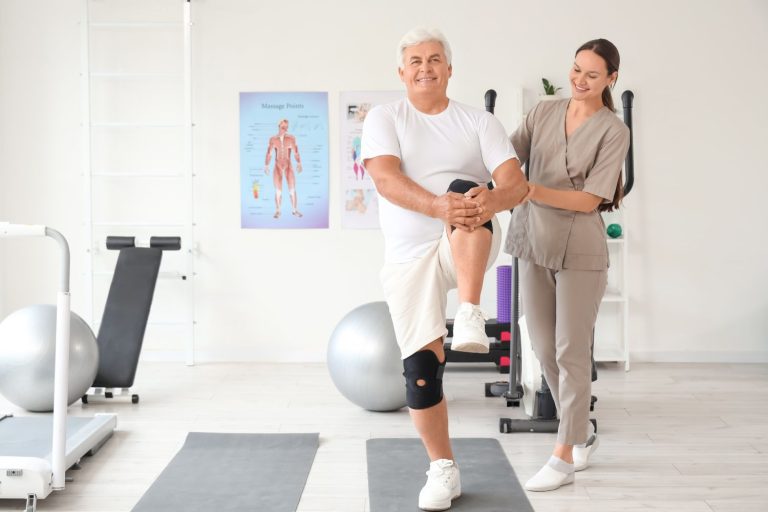
A licensed therapist evaluates how you squat, hinge, press, pull, and carry. They look at your joint mobility, muscle strength, stability, and movement patterns to find what is overloading your body. Instead of a generic rehab handout, you receive a plan designed around your sport, your training schedule, and your goals.
Another major benefit is staying active during recovery. Most athletes do not need to stop training completely. Your therapist can show you which movements are safe, which need modification, and how to keep building strength in the areas that are not injured while the affected area heals.
How Physical Therapy for Gym Injuries Gets You Back Under the Bar
Recovery works best when it follows a clear progression. Physical therapy for gym injuries typically starts by reducing pain and inflammation, then restores range of motion, then rebuilds strength, and finally returns you to the specific demands of your training. Skipping steps is how re-injuries happen, so each phase has clear goals you must meet before moving forward.
Treatment may include hands-on manual therapy, targeted strengthening, mobility work, stability training, and coaching on movement technique. These tools improve how your body handles load, which means you do not just recover, you become more resilient. Many patients leave treatment moving better than they did before the injury.
Your therapist will also teach you exercises to do at home and adjust them as you improve. This keeps you in control of your recovery and gives you the knowledge to manage minor flare-ups on your own.
Common Gym and CrossFit Injuries We Treat
Gym-related injuries usually develop from repetitive stress, poor mobility, fatigue, or doing too much too soon. Some of the most common problems we see in lifters and CrossFit athletes include:
- Shoulder impingement and rotator cuff irritation
- Lower back strains and disc-related pain
- Knee pain, including patellar tendinitis and meniscus irritation
- Hip pain and tightness from squatting and deadlifting
- Elbow tendinitis from pulling and gripping
- Wrist pain from presses, cleans, and handstand work
- Muscle strains in the hamstrings, quads, and pecs
Most of these conditions respond well to conservative care. When your therapist treats the whole movement pattern instead of just the sore spot, you get better results and a lower chance of recurrence.
Signs It Is Time to See a Physical Therapist
Soreness after a hard session is normal, but some symptoms signal that something more serious is going on. Consider scheduling an evaluation if you notice any of the following:
- Pain that lasts more than a few days or keeps returning during the same lift
- Sharp or pinching pain during a specific movement
- Swelling, bruising, or joint instability
- Numbness or tingling that travels down an arm or leg
- Loss of strength or range of motion
- Pain that wakes you at night
Getting evaluated early often means a shorter recovery and fewer missed workouts. Waiting until the pain becomes severe usually makes the process longer and more frustrating.
What a Safe Return to Training Looks Like
Feeling better is not the same as being ready to train at full intensity. A safe return means you can move through full range of motion without pain, demonstrate good strength compared to your uninjured side, and perform your key lifts with proper control. Physical therapy for gym injuries includes testing these benchmarks so you return based on readiness rather than guesswork.
When you do return, loads and volume increase gradually. Your therapist may suggest temporary changes, like lighter weights, tempo work, or alternative exercises, and then phase your normal program back in. This approach protects the healing tissue while rebuilding your confidence under the bar.
Get Back to Training Stronger
You do not have to choose between your goals and your health. If an injury is holding you back, contact Kinetic Physical Therapy and Wellness in Greenville, NC today to schedule your appointment and see how physical therapy for gym injuries can help you recover faster and return to training safely.
Frequently Asked Questions
In most cases, no. Your therapist will help you modify your routine so you can keep training the parts of your body that are not injured. The goal of physical therapy for gym injuries is to keep you moving safely while the injured area heals.
Normal muscle soreness usually appears within a day or two of a workout, feels like a dull ache across the muscle, and improves with movement. Injury pain is often sharp, localized, or tied to a specific motion, and it tends to persist or worsen. If your pain lasts beyond a few days, schedule an evaluation.
Recovery depends on the type and severity of the injury, your health history, and how consistently you follow your plan. Mild strains may improve within a few weeks, while more complex problems can take longer. At Kinetic Physical Therapy and Wellness, we track your progress and adjust your plan along the way.
Yes. A movement assessment can reveal tight areas, weak muscles, and technique issues before they cause pain. Using physical therapy for gym injuries as a preventive tool can help you train harder and more consistently over the long term.
Many patients can schedule an evaluation without a referral, though requirements can vary by insurance plan. The easiest way to be sure is to contact our office before your visit, and our team can walk you through your options.
Ready to overcome pain and get back to doing what you love? Experience the difference of personalized Physical Therapy at Kinetic Physical Therapy and Wellness in Greenville, NC! Our expert therapists are committed to providing individualized care that targets your specific needs, whether you’re recovering from an injury, managing a chronic condition, or seeking to improve mobility. With our tailored treatment plans, you’ll be on the path to lasting recovery and optimal health. Don’t let pain hold you back—schedule your Physical Therapy session today and take the first step toward a healthier, more active life!
Please Share
Facebook
Twitter
LinkedIn
categories
Recent Posts


Physical Therapy for Gym Injuries in Greenville, NC
Recover Faster and Return to Training Safely
TL;DR:
Physical therapy for gym injuries helps lifters, CrossFit athletes, and strength training enthusiasts in Greenville, NC heal faster, fix the movement problems behind their pain, and return to training safely. At Kinetic Physical Therapy and Wellness, we create individualized plans that reduce pain, rebuild strength, and help you avoid getting hurt again.
Consistent training is one of the best things you can do for your health, but heavy lifting, intense workouts, and the pursuit of personal records can take a toll on your body. A tweaked shoulder, a sore lower back, or a knee that complains during squats can derail weeks of progress. Many athletes respond by resting, pushing through the pain, or searching online for quick fixes, only to find the problem keeps returning. Physical therapy for gym injuries offers a smarter path that treats the cause of the problem and gets you back to the platform with confidence.
Why Physical Therapy for Gym Injuries Works Better Than Rest Alone
Rest can calm an irritated joint or muscle, but it rarely fixes the reason the injury happened in the first place. If a mobility restriction, muscle imbalance, or technique flaw caused the problem, those issues will still be there when you return to your program. That is why so many gym-goers feel better for a week and then get hurt again. Physical therapy for gym injuries identifies and corrects those underlying issues so the improvement lasts.
A licensed therapist evaluates how you squat, hinge, press, pull, and carry. They look at your joint mobility, muscle strength, stability, and movement patterns to find what is overloading your body. Instead of a generic rehab handout, you receive a plan designed around your sport, your training schedule, and your goals.
Another major benefit is staying active during recovery. Most athletes do not need to stop training completely. Your therapist can show you which movements are safe, which need modification, and how to keep building strength in the areas that are not injured while the affected area heals.
How Physical Therapy for Gym Injuries Gets You Back Under the Bar
Recovery works best when it follows a clear progression. Physical therapy for gym injuries typically starts by reducing pain and inflammation, then restores range of motion, then rebuilds strength, and finally returns you to the specific demands of your training. Skipping steps is how re-injuries happen, so each phase has clear goals you must meet before moving forward.
Treatment may include hands-on manual therapy, targeted strengthening, mobility work, stability training, and coaching on movement technique. These tools improve how your body handles load, which means you do not just recover, you become more resilient. Many patients leave treatment moving better than they did before the injury.
Your therapist will also teach you exercises to do at home and adjust them as you improve. This keeps you in control of your recovery and gives you the knowledge to manage minor flare-ups on your own.
Common Gym and CrossFit Injuries We Treat
Gym-related injuries usually develop from repetitive stress, poor mobility, fatigue, or doing too much too soon. Some of the most common problems we see in lifters and CrossFit athletes include:
- Shoulder impingement and rotator cuff irritation
- Lower back strains and disc-related pain
- Knee pain, including patellar tendinitis and meniscus irritation
- Hip pain and tightness from squatting and deadlifting
- Elbow tendinitis from pulling and gripping
- Wrist pain from presses, cleans, and handstand work
- Muscle strains in the hamstrings, quads, and pecs
Most of these conditions respond well to conservative care. When your therapist treats the whole movement pattern instead of just the sore spot, you get better results and a lower chance of recurrence.
Signs It Is Time to See a Physical Therapist
Soreness after a hard session is normal, but some symptoms signal that something more serious is going on. Consider scheduling an evaluation if you notice any of the following:
- Pain that lasts more than a few days or keeps returning during the same lift
- Sharp or pinching pain during a specific movement
- Swelling, bruising, or joint instability
- Numbness or tingling that travels down an arm or leg
- Loss of strength or range of motion
- Pain that wakes you at night
Getting evaluated early often means a shorter recovery and fewer missed workouts. Waiting until the pain becomes severe usually makes the process longer and more frustrating.
What a Safe Return to Training Looks Like
Feeling better is not the same as being ready to train at full intensity. A safe return means you can move through full range of motion without pain, demonstrate good strength compared to your uninjured side, and perform your key lifts with proper control. Physical therapy for gym injuries includes testing these benchmarks so you return based on readiness rather than guesswork.
When you do return, loads and volume increase gradually. Your therapist may suggest temporary changes, like lighter weights, tempo work, or alternative exercises, and then phase your normal program back in. This approach protects the healing tissue while rebuilding your confidence under the bar.
Get Back to Training Stronger
You do not have to choose between your goals and your health. If an injury is holding you back, contact Kinetic Physical Therapy and Wellness in Greenville, NC today to schedule your appointment and see how physical therapy for gym injuries can help you recover faster and return to training safely.
Frequently Asked Questions
In most cases, no. Your therapist will help you modify your routine so you can keep training the parts of your body that are not injured. The goal of physical therapy for gym injuries is to keep you moving safely while the injured area heals.
Normal muscle soreness usually appears within a day or two of a workout, feels like a dull ache across the muscle, and improves with movement. Injury pain is often sharp, localized, or tied to a specific motion, and it tends to persist or worsen. If your pain lasts beyond a few days, schedule an evaluation.
Recovery depends on the type and severity of the injury, your health history, and how consistently you follow your plan. Mild strains may improve within a few weeks, while more complex problems can take longer. At Kinetic Physical Therapy and Wellness, we track your progress and adjust your plan along the way.
Yes. A movement assessment can reveal tight areas, weak muscles, and technique issues before they cause pain. Using physical therapy for gym injuries as a preventive tool can help you train harder and more consistently over the long term.
Many patients can schedule an evaluation without a referral, though requirements can vary by insurance plan. The easiest way to be sure is to contact our office before your visit, and our team can walk you through your options.
Ready to overcome pain and get back to doing what you love? Experience the difference of personalized Physical Therapy at Kinetic Physical Therapy and Wellness in Greenville, NC! Our expert therapists are committed to providing individualized care that targets your specific needs, whether you’re recovering from an injury, managing a chronic condition, or seeking to improve mobility. With our tailored treatment plans, you’ll be on the path to lasting recovery and optimal health. Don’t let pain hold you back—schedule your Physical Therapy session today and take the first step toward a healthier, more active life!
Please Share
Facebook
Twitter
LinkedIn