


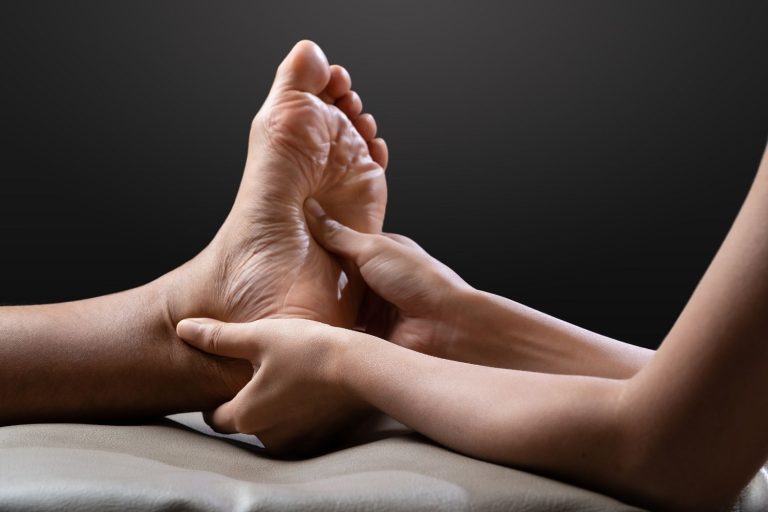

The Benefits of Massage Therapy for Women’s Health in Greenville, NC
Hormones, Stress, and Recovery
Massage Therapy for Women’s Health offers a natural, supportive approach to managing stress, relieving muscle tension, improving relaxation, and supporting physical recovery during different stages of life. Women experience unique physical and hormonal changes throughout their lives, from menstrual cycles and pregnancy to postpartum recovery and menopause. These changes can influence sleep quality, muscle discomfort, emotional well-being, and everyday energy levels. Therapeutic massage provides an opportunity to address some of these challenges through personalized techniques that promote comfort, relaxation, and overall wellness.
At Kinetic Physical Therapy and Wellness in Greenville, NC, we believe individualized patient care is the foundation of meaningful results. Our approach recognizes that every woman’s health needs are different, and treatment should reflect her lifestyle, physical condition, and personal wellness goals. Whether you’re managing everyday stress, experiencing muscle tension associated with hormonal transitions, or seeking additional support during physical recovery, our team is committed to helping you feel more comfortable and confident in your body.
TL;DR:
Massage Therapy for Women’s Health can help reduce stress, ease muscle tension, encourage relaxation, and support physical comfort during menstruation, pregnancy, postpartum recovery, and menopause. While massage does not directly balance reproductive hormones or treat hormonal disorders, it may help manage symptoms such as muscle discomfort, stress-related tension, and sleep difficulties. Kinetic Physical Therapy and Wellness in Greenville, NC, provides personalized massage services designed to support women’s physical wellness, recovery, and quality of life.
Understanding the Benefits of Massage Therapy for Women’s Health
Women’s health involves a combination of physical, hormonal, emotional, and lifestyle factors that change over time. Hormonal fluctuations can influence how the body responds to stress, sleep disruptions, physical activity, and discomfort. Combined with demanding work schedules, family responsibilities, and everyday activities, these changes may contribute to muscle tightness, fatigue, and difficulty relaxing.
Massage Therapy for Women’s Health focuses on addressing musculoskeletal discomfort and promoting relaxation through therapeutic touch. Massage techniques may help reduce perceived muscle tension, improve short-term comfort, and create opportunities for physical and mental relaxation. These benefits can be particularly valuable for women experiencing stressful life transitions or recovering from physically demanding activities.
Unlike treatments that focus exclusively on one symptom, therapeutic massage can be tailored to multiple areas of concern. A session might emphasize tight shoulders and neck muscles, lower-back discomfort, or general relaxation. The goal is to develop an individualized experience that supports comfort and wellness without making unrealistic claims about changing hormone levels or treating underlying medical conditions.
How Massage Therapy for Women’s Health Supports Physical and Emotional Wellness
Physical tension and emotional stress often occur together. When stress increases, muscles may remain tense for extended periods, particularly around the neck, shoulders, and upper back. This tension can contribute to discomfort, headaches, and difficulty relaxing at the end of the day.
Therapeutic massage may help interrupt this cycle by encouraging relaxation and reducing muscle discomfort. Gentle, rhythmic techniques can provide a calming sensory experience, while targeted soft-tissue work may help improve comfort in areas affected by repetitive movement, poor posture, or physical strain. For women balancing professional responsibilities, caregiving, exercise, and personal health needs, Massage Therapy for Women’s Health can become one component of a broader self-care routine. Although massage cannot eliminate the causes of chronic stress, it may provide meaningful short-term relief and encourage greater awareness of physical tension.
The Relationship Between Hormones, Stress, and Women's Health
Hormones influence numerous functions throughout the body, including reproductive health, metabolism, sleep, and responses to stress. Estrogen and progesterone fluctuate throughout the menstrual cycle and change significantly during pregnancy, postpartum recovery, and menopause. These transitions may be associated with changes in sleep, mood, muscle discomfort, and overall well-being.
Cortisol, commonly associated with the body’s stress response, also plays an important role in normal physiology. Persistent stress can affect sleep, mood, and physical comfort, but the relationship between stress and hormone levels is complex. Although some studies have examined hormonal responses to massage, evidence does not establish that massage reliably balances estrogen, progesterone, or cortisol. Instead, the value of Massage Therapy for Women’s Health lies primarily in its potential to promote relaxation, reduce certain types of discomfort, and complement appropriate medical care. Women experiencing significant hormonal symptoms should consult their healthcare provider for evaluation and treatment.
Managing Stress-Related Muscle Tension
Stress frequently contributes to muscle tightness, particularly in areas that remain contracted during prolonged sitting, computer work, or physically demanding activities. Common areas of tension include:
- Neck and shoulders, where stress-related muscle tightness often develops
- Upper back, particularly around the shoulder blades
- Lower back, where prolonged sitting or standing may contribute to discomfort
- Jaw and facial muscles, which may tighten during stressful periods
- Hips and surrounding muscles, especially following extended periods of inactivity Targeted massage techniques may help reduce discomfort in these areas while encouraging relaxation. Treatment pressure and positioning should always be adjusted according to individual preferences and medical considerations.
Massage Therapy for Women’s Health During Menstrual Cycles
Many women experience physical discomfort during their menstrual cycles, including lower-back pain, abdominal cramping, headaches, and generalized muscle tension. These symptoms vary considerably from person to person and may change throughout different stages of life.
Massage Therapy for Women’s Health may provide supportive comfort for women experiencing mild muscle tension or lower-back discomfort around menstruation. Gentle massage techniques can encourage relaxation and may help reduce the perception of pain in certain individuals. Some research suggests massage may help menstrual discomfort, although the available evidence is limited and treatment results vary.
Massage should not replace medical evaluation for severe menstrual pain, unusually heavy bleeding, or symptoms that interfere significantly with daily activities. Conditions such as endometriosis, fibroids, and other gynecological disorders may require specific medical treatment.
Massage Techniques for Menstrual-Related Discomfort
Depending on individual symptoms and preferences, a massage session may include:
- Gentle lower-back massage to address muscle tightness
- Light Swedish massage to promote relaxation
- Targeted shoulder and neck massage for stress-related tension
- Comfortable positioning to reduce pressure on sensitive areas
- Relaxation-focused techniques to support overall comfort Women should communicate any discomfort, sensitivity, or medical concerns before treatment. Massage pressure can be adjusted or avoided in areas that feel tender or uncomfortable.
Supporting Pregnancy and Postpartum Recovery with Therapeutic Massage
Pregnancy brings significant physical changes as the body adapts to a growing baby. Changes in posture, weight distribution, and connective tissues may contribute to lower-back discomfort, hip tension, and muscle fatigue. Sleep disturbances and emotional stress can also become more common during pregnancy.
When appropriately modified and approved by a healthcare professional when indicated, prenatal massage may help relieve certain types of musculoskeletal discomfort and encourage relaxation. Special positioning, appropriate pressure, and attention to pregnancy-related precautions are essential. Women with high-risk pregnancies or complications should obtain medical guidance before scheduling massage.
Following childbirth, many women experience physical demands associated with infant care, feeding, carrying, and disrupted sleep. Massage Therapy for Women’s Health may provide supportive relief for muscle tension during postpartum recovery when treatment is medically appropriate.
Addressing Common Postpartum Muscle Discomfort
New mothers frequently experience muscle tension associated with repetitive caregiving activities. Common concerns include:
- Neck stiffness from looking down during feeding
- Shoulder tension from carrying or holding an infant
- Upper-back discomfort associated with prolonged sitting
- Lower-back tightness from lifting and bending
- General muscle fatigue from interrupted sleep and increased physical demands Massage may help address some of these musculoskeletal concerns, but postpartum treatment should be adapted to the individual’s recovery. Women recovering from cesarean delivery, significant bleeding, blood clots, or other complications require medical clearance when appropriate. Direct massage over healing incisions should be avoided until adequately healed and medically approved.
How Massage Therapy for Women’s Health May Help During Menopause
Menopause is a natural biological transition marked by changes in reproductive hormone levels. During perimenopause and menopause, women may experience sleep disturbances, hot flashes, mood changes, joint discomfort, and increased muscle tension. The intensity and combination of symptoms vary considerably.
Massage Therapy for Women’s Health may support relaxation and physical comfort during this transition. Although massage does not reverse hormonal changes or directly treat hot flashes, it may help women manage muscle tightness and stress-related discomfort that sometimes accompany menopause. For women experiencing disrupted sleep or difficulty relaxing, massage can also provide dedicated time for rest. While some individuals report improved sleep quality following massage, results vary, and persistent insomnia or severe menopausal symptoms should be discussed with a healthcare provider.
Supporting Comfort Through Menopausal Changes
A personalized massage session may focus on:
- Reducing neck and shoulder muscle tension
- Easing general back discomfort
- Encouraging relaxation during stressful periods
- Supporting comfortable movement around stiff joints
- Providing a calming wellness experience
- Addressing muscle soreness associated with exercise or everyday activities Women experiencing menopausal symptoms should consider massage a complementary wellness service rather than a replacement for evidence-based medical treatments.
The Benefits of Massage Therapy for Women’s Health and Physical Recovery
Women participate in a wide variety of physically demanding activities, including recreational sports, fitness programs, gardening, household responsibilities, and physically active occupations. Repetitive movements and demanding exercise routines can contribute to temporary muscle soreness, stiffness, and discomfort.
Massage Therapy for Women’s Health may help manage post-exercise soreness and improve short-term perceptions of recovery. Therapeutic massage can be incorporated into a broader wellness routine that includes appropriate physical activity, hydration, nutrition, and adequate rest.
While massage may reduce soreness and promote relaxation, it does not replace rehabilitation for injuries or guarantee faster muscle healing. Women experiencing persistent pain, weakness, or movement limitations should seek appropriate evaluation.
Common Areas That Benefit from Recovery-Focused Massage
Depending on activity levels and individual needs, massage may address:
- Calves and thighs after walking, running, or fitness activities
- Hip muscles following prolonged sitting or repetitive movement
- Lower-back muscles affected by lifting or bending
- Shoulders and upper back following computer work
- Forearms and hands after repetitive tasks
- General muscle tightness following strenuous physical activity Treatment intensity should reflect the individual’s recovery status. Deep pressure is not always necessary, and aggressive massage may worsen soreness or discomfort in sensitive tissues.
Improving Sleep and Relaxation Through Massage Therapy for Women’s Health
Quality sleep plays an essential role in physical recovery, emotional regulation, and overall wellness. Unfortunately, many women experience sleep disruptions associated with stress, caregiving responsibilities, hormonal changes, or physical discomfort.
Massage Therapy for Women’s Health may encourage relaxation and help reduce muscle discomfort that interferes with rest. A comfortable massage session can provide an opportunity to disconnect from everyday responsibilities and focus on physical relaxation.
Although massage may improve perceived sleep quality for some individuals, it should not be considered a treatment for underlying sleep disorders. Persistent insomnia, sleep apnea symptoms, or significant daytime fatigue should be evaluated by a qualified healthcare professional.
Healthy Habits That Complement Massage
Women interested in improving relaxation and recovery may benefit from combining massage with supportive lifestyle habits:
- Maintain a consistent sleep and wake schedule.
- Create a comfortable, quiet sleeping environment.
- Incorporate gentle stretching when appropriate.
- Practice relaxation techniques such as deep breathing.
- Stay physically active within personal health limitations.
- Schedule regular breaks during demanding workdays.
- Discuss persistent fatigue or sleep problems with a healthcare provider. These habits can complement therapeutic massage and support broader wellness goals.
What to Expect During a Women’s Wellness Massage Session
A personalized massage session should begin with a discussion of your health history, current symptoms, comfort preferences, and wellness goals. This information helps determine which massage techniques and positioning options may be appropriate.
At Kinetic Physical Therapy and Wellness, individualized patient care is central to our approach. Whether your primary concern involves muscle tension, stress-related discomfort, or physical recovery, your treatment experience should reflect your specific needs rather than a standardized routine.
Massage techniques may vary depending on your goals. Some women prefer gentle relaxation-focused sessions, while others benefit from targeted work on areas of muscle tightness. Clear communication with your massage therapist helps ensure treatment remains comfortable and appropriate.
When to Speak with Your Healthcare Provider Before Massage
Although massage is generally well tolerated by many healthy adults, certain circumstances require additional precautions. Consult a healthcare professional before treatment if you have:
- A high-risk pregnancy or pregnancy-related complications
- A history of blood clots or suspected deep vein thrombosis
- Recent surgery or wounds that have not fully healed
- Unexplained swelling, severe pain, or inflammation
- Certain cardiovascular or bleeding disorders
- Active infection or fever
- Significant osteoporosis or conditions affecting tissue fragility Your massage therapist should also be informed about medications, recent injuries, and any areas where pressure should be avoided.
Why Choose Kinetic Physical Therapy and Wellness in Greenville, NC?
At Kinetic Physical Therapy and Wellness, we understand that women’s wellness needs evolve throughout different stages of life. Our commitment to individualized patient care means recognizing the unique physical challenges, lifestyle demands, and personal goals that influence each woman’s treatment experience.
Whether you’re seeking relief from muscle tension, looking for ways to manage everyday stress, or exploring supportive care during pregnancy, postpartum recovery, or menopause, our focus is on helping you feel comfortable and supported.
Our philosophy of Expert Care, Personalized Treatment, and Lasting Results reflects our dedication to providing thoughtful, patient-centered services that support physical comfort, movement, and overall quality of life.
Frequently Asked Questions About Massage Therapy for Women’s Health
Massage does not directly balance estrogen, progesterone, or other reproductive hormones. However, it may encourage relaxation and reduce certain types of stress-related muscle discomfort. Women experiencing hormonal symptoms should seek appropriate medical evaluation.
Massage may help women experiencing menopause manage muscle tension, physical discomfort, and stress. It may also support relaxation and perceived sleep quality, but it does not treat the underlying hormonal changes associated with menopause.
Some women experience temporary relief from menstrual-related discomfort through gentle massage. Research suggests possible benefits, but evidence remains limited. Severe or persistent menstrual pain should be evaluated by a healthcare professional.
Prenatal massage may be appropriate for many pregnant women when performed by a qualified professional using pregnancy-specific precautions. Women with high-risk pregnancies or complications should consult their healthcare provider before treatment.
Massage may promote relaxation, reduce perceived stress, and help some individuals experience better sleep quality. However, results vary, and massage should complement rather than replace appropriate treatment for chronic stress, anxiety, or sleep disorders.
Experience the Benefits of Massage Therapy for Women’s Health in Greenville, NC
Your health and wellness deserve personalized attention at every stage of life. Whether you’re navigating hormonal transitions, managing everyday stress, recovering from physical activity, or looking for relief from persistent muscle tension, Massage Therapy for Women’s Health may provide a relaxing and supportive addition to your wellness routine. At Kinetic Physical Therapy and Wellness, our commitment to Expert Care, Personalized Treatment, and Lasting Results means focusing on your individual needs and helping you pursue greater physical comfort and well-being. Contact Kinetic Physical Therapy and Wellness today to schedule an appointment and discover how personalized Massage Therapy in Greenville, NC, can support your relaxation, recovery, and overall wellness.
Please Share
Facebook
Twitter
LinkedIn
categories
Recent Posts
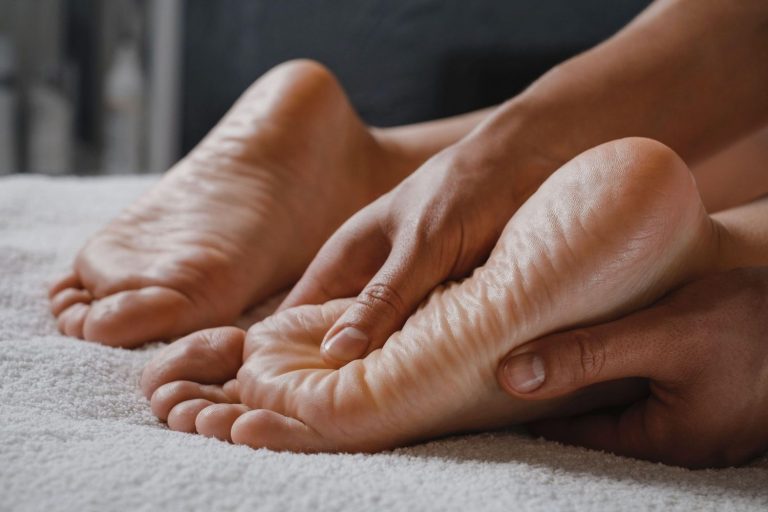

The Benefits of Massage Therapy for Women’s Health in Greenville, NC
Hormones, Stress, and Recovery
Massage Therapy for Women’s Health offers a natural, supportive approach to managing stress, relieving muscle tension, improving relaxation, and supporting physical recovery during different stages of life. Women experience unique physical and hormonal changes throughout their lives, from menstrual cycles and pregnancy to postpartum recovery and menopause. These changes can influence sleep quality, muscle discomfort, emotional well-being, and everyday energy levels. Therapeutic massage provides an opportunity to address some of these challenges through personalized techniques that promote comfort, relaxation, and overall wellness.
At Kinetic Physical Therapy and Wellness in Greenville, NC, we believe individualized patient care is the foundation of meaningful results. Our approach recognizes that every woman’s health needs are different, and treatment should reflect her lifestyle, physical condition, and personal wellness goals. Whether you’re managing everyday stress, experiencing muscle tension associated with hormonal transitions, or seeking additional support during physical recovery, our team is committed to helping you feel more comfortable and confident in your body.
TL;DR:
Massage Therapy for Women’s Health can help reduce stress, ease muscle tension, encourage relaxation, and support physical comfort during menstruation, pregnancy, postpartum recovery, and menopause. While massage does not directly balance reproductive hormones or treat hormonal disorders, it may help manage symptoms such as muscle discomfort, stress-related tension, and sleep difficulties. Kinetic Physical Therapy and Wellness in Greenville, NC, provides personalized massage services designed to support women’s physical wellness, recovery, and quality of life.
Understanding the Benefits of Massage Therapy for Women’s Health
Women’s health involves a combination of physical, hormonal, emotional, and lifestyle factors that change over time. Hormonal fluctuations can influence how the body responds to stress, sleep disruptions, physical activity, and discomfort. Combined with demanding work schedules, family responsibilities, and everyday activities, these changes may contribute to muscle tightness, fatigue, and difficulty relaxing.
Massage Therapy for Women’s Health focuses on addressing musculoskeletal discomfort and promoting relaxation through therapeutic touch. Massage techniques may help reduce perceived muscle tension, improve short-term comfort, and create opportunities for physical and mental relaxation. These benefits can be particularly valuable for women experiencing stressful life transitions or recovering from physically demanding activities.
Unlike treatments that focus exclusively on one symptom, therapeutic massage can be tailored to multiple areas of concern. A session might emphasize tight shoulders and neck muscles, lower-back discomfort, or general relaxation. The goal is to develop an individualized experience that supports comfort and wellness without making unrealistic claims about changing hormone levels or treating underlying medical conditions.
How Massage Therapy for Women’s Health Supports Physical and Emotional Wellness
Physical tension and emotional stress often occur together. When stress increases, muscles may remain tense for extended periods, particularly around the neck, shoulders, and upper back. This tension can contribute to discomfort, headaches, and difficulty relaxing at the end of the day.
Therapeutic massage may help interrupt this cycle by encouraging relaxation and reducing muscle discomfort. Gentle, rhythmic techniques can provide a calming sensory experience, while targeted soft-tissue work may help improve comfort in areas affected by repetitive movement, poor posture, or physical strain. For women balancing professional responsibilities, caregiving, exercise, and personal health needs, Massage Therapy for Women’s Health can become one component of a broader self-care routine. Although massage cannot eliminate the causes of chronic stress, it may provide meaningful short-term relief and encourage greater awareness of physical tension.
The Relationship Between Hormones, Stress, and Women's Health
Hormones influence numerous functions throughout the body, including reproductive health, metabolism, sleep, and responses to stress. Estrogen and progesterone fluctuate throughout the menstrual cycle and change significantly during pregnancy, postpartum recovery, and menopause. These transitions may be associated with changes in sleep, mood, muscle discomfort, and overall well-being.
Cortisol, commonly associated with the body’s stress response, also plays an important role in normal physiology. Persistent stress can affect sleep, mood, and physical comfort, but the relationship between stress and hormone levels is complex. Although some studies have examined hormonal responses to massage, evidence does not establish that massage reliably balances estrogen, progesterone, or cortisol. Instead, the value of Massage Therapy for Women’s Health lies primarily in its potential to promote relaxation, reduce certain types of discomfort, and complement appropriate medical care. Women experiencing significant hormonal symptoms should consult their healthcare provider for evaluation and treatment.
Managing Stress-Related Muscle Tension
Stress frequently contributes to muscle tightness, particularly in areas that remain contracted during prolonged sitting, computer work, or physically demanding activities. Common areas of tension include:
- Neck and shoulders, where stress-related muscle tightness often develops
- Upper back, particularly around the shoulder blades
- Lower back, where prolonged sitting or standing may contribute to discomfort
- Jaw and facial muscles, which may tighten during stressful periods
- Hips and surrounding muscles, especially following extended periods of inactivity Targeted massage techniques may help reduce discomfort in these areas while encouraging relaxation. Treatment pressure and positioning should always be adjusted according to individual preferences and medical considerations.
Massage Therapy for Women’s Health During Menstrual Cycles
Many women experience physical discomfort during their menstrual cycles, including lower-back pain, abdominal cramping, headaches, and generalized muscle tension. These symptoms vary considerably from person to person and may change throughout different stages of life.
Massage Therapy for Women’s Health may provide supportive comfort for women experiencing mild muscle tension or lower-back discomfort around menstruation. Gentle massage techniques can encourage relaxation and may help reduce the perception of pain in certain individuals. Some research suggests massage may help menstrual discomfort, although the available evidence is limited and treatment results vary.
Massage should not replace medical evaluation for severe menstrual pain, unusually heavy bleeding, or symptoms that interfere significantly with daily activities. Conditions such as endometriosis, fibroids, and other gynecological disorders may require specific medical treatment.
Massage Techniques for Menstrual-Related Discomfort
Depending on individual symptoms and preferences, a massage session may include:
- Gentle lower-back massage to address muscle tightness
- Light Swedish massage to promote relaxation
- Targeted shoulder and neck massage for stress-related tension
- Comfortable positioning to reduce pressure on sensitive areas
- Relaxation-focused techniques to support overall comfort Women should communicate any discomfort, sensitivity, or medical concerns before treatment. Massage pressure can be adjusted or avoided in areas that feel tender or uncomfortable.
Supporting Pregnancy and Postpartum Recovery with Therapeutic Massage
Pregnancy brings significant physical changes as the body adapts to a growing baby. Changes in posture, weight distribution, and connective tissues may contribute to lower-back discomfort, hip tension, and muscle fatigue. Sleep disturbances and emotional stress can also become more common during pregnancy.
When appropriately modified and approved by a healthcare professional when indicated, prenatal massage may help relieve certain types of musculoskeletal discomfort and encourage relaxation. Special positioning, appropriate pressure, and attention to pregnancy-related precautions are essential. Women with high-risk pregnancies or complications should obtain medical guidance before scheduling massage.
Following childbirth, many women experience physical demands associated with infant care, feeding, carrying, and disrupted sleep. Massage Therapy for Women’s Health may provide supportive relief for muscle tension during postpartum recovery when treatment is medically appropriate.
Addressing Common Postpartum Muscle Discomfort
New mothers frequently experience muscle tension associated with repetitive caregiving activities. Common concerns include:
- Neck stiffness from looking down during feeding
- Shoulder tension from carrying or holding an infant
- Upper-back discomfort associated with prolonged sitting
- Lower-back tightness from lifting and bending
- General muscle fatigue from interrupted sleep and increased physical demands Massage may help address some of these musculoskeletal concerns, but postpartum treatment should be adapted to the individual’s recovery. Women recovering from cesarean delivery, significant bleeding, blood clots, or other complications require medical clearance when appropriate. Direct massage over healing incisions should be avoided until adequately healed and medically approved.
How Massage Therapy for Women’s Health May Help During Menopause
Menopause is a natural biological transition marked by changes in reproductive hormone levels. During perimenopause and menopause, women may experience sleep disturbances, hot flashes, mood changes, joint discomfort, and increased muscle tension. The intensity and combination of symptoms vary considerably.
Massage Therapy for Women’s Health may support relaxation and physical comfort during this transition. Although massage does not reverse hormonal changes or directly treat hot flashes, it may help women manage muscle tightness and stress-related discomfort that sometimes accompany menopause. For women experiencing disrupted sleep or difficulty relaxing, massage can also provide dedicated time for rest. While some individuals report improved sleep quality following massage, results vary, and persistent insomnia or severe menopausal symptoms should be discussed with a healthcare provider.
Supporting Comfort Through Menopausal Changes
A personalized massage session may focus on:
- Reducing neck and shoulder muscle tension
- Easing general back discomfort
- Encouraging relaxation during stressful periods
- Supporting comfortable movement around stiff joints
- Providing a calming wellness experience
- Addressing muscle soreness associated with exercise or everyday activities Women experiencing menopausal symptoms should consider massage a complementary wellness service rather than a replacement for evidence-based medical treatments.
The Benefits of Massage Therapy for Women’s Health and Physical Recovery
Women participate in a wide variety of physically demanding activities, including recreational sports, fitness programs, gardening, household responsibilities, and physically active occupations. Repetitive movements and demanding exercise routines can contribute to temporary muscle soreness, stiffness, and discomfort.
Massage Therapy for Women’s Health may help manage post-exercise soreness and improve short-term perceptions of recovery. Therapeutic massage can be incorporated into a broader wellness routine that includes appropriate physical activity, hydration, nutrition, and adequate rest.
While massage may reduce soreness and promote relaxation, it does not replace rehabilitation for injuries or guarantee faster muscle healing. Women experiencing persistent pain, weakness, or movement limitations should seek appropriate evaluation.
Common Areas That Benefit from Recovery-Focused Massage
Depending on activity levels and individual needs, massage may address:
- Calves and thighs after walking, running, or fitness activities
- Hip muscles following prolonged sitting or repetitive movement
- Lower-back muscles affected by lifting or bending
- Shoulders and upper back following computer work
- Forearms and hands after repetitive tasks
- General muscle tightness following strenuous physical activity Treatment intensity should reflect the individual’s recovery status. Deep pressure is not always necessary, and aggressive massage may worsen soreness or discomfort in sensitive tissues.
Improving Sleep and Relaxation Through Massage Therapy for Women’s Health
Quality sleep plays an essential role in physical recovery, emotional regulation, and overall wellness. Unfortunately, many women experience sleep disruptions associated with stress, caregiving responsibilities, hormonal changes, or physical discomfort.
Massage Therapy for Women’s Health may encourage relaxation and help reduce muscle discomfort that interferes with rest. A comfortable massage session can provide an opportunity to disconnect from everyday responsibilities and focus on physical relaxation.
Although massage may improve perceived sleep quality for some individuals, it should not be considered a treatment for underlying sleep disorders. Persistent insomnia, sleep apnea symptoms, or significant daytime fatigue should be evaluated by a qualified healthcare professional.
Healthy Habits That Complement Massage
Women interested in improving relaxation and recovery may benefit from combining massage with supportive lifestyle habits:
- Maintain a consistent sleep and wake schedule.
- Create a comfortable, quiet sleeping environment.
- Incorporate gentle stretching when appropriate.
- Practice relaxation techniques such as deep breathing.
- Stay physically active within personal health limitations.
- Schedule regular breaks during demanding workdays.
- Discuss persistent fatigue or sleep problems with a healthcare provider. These habits can complement therapeutic massage and support broader wellness goals.
What to Expect During a Women’s Wellness Massage Session
A personalized massage session should begin with a discussion of your health history, current symptoms, comfort preferences, and wellness goals. This information helps determine which massage techniques and positioning options may be appropriate.
At Kinetic Physical Therapy and Wellness, individualized patient care is central to our approach. Whether your primary concern involves muscle tension, stress-related discomfort, or physical recovery, your treatment experience should reflect your specific needs rather than a standardized routine.
Massage techniques may vary depending on your goals. Some women prefer gentle relaxation-focused sessions, while others benefit from targeted work on areas of muscle tightness. Clear communication with your massage therapist helps ensure treatment remains comfortable and appropriate.
When to Speak with Your Healthcare Provider Before Massage
Although massage is generally well tolerated by many healthy adults, certain circumstances require additional precautions. Consult a healthcare professional before treatment if you have:
- A high-risk pregnancy or pregnancy-related complications
- A history of blood clots or suspected deep vein thrombosis
- Recent surgery or wounds that have not fully healed
- Unexplained swelling, severe pain, or inflammation
- Certain cardiovascular or bleeding disorders
- Active infection or fever
- Significant osteoporosis or conditions affecting tissue fragility Your massage therapist should also be informed about medications, recent injuries, and any areas where pressure should be avoided.
Why Choose Kinetic Physical Therapy and Wellness in Greenville, NC?
At Kinetic Physical Therapy and Wellness, we understand that women’s wellness needs evolve throughout different stages of life. Our commitment to individualized patient care means recognizing the unique physical challenges, lifestyle demands, and personal goals that influence each woman’s treatment experience.
Whether you’re seeking relief from muscle tension, looking for ways to manage everyday stress, or exploring supportive care during pregnancy, postpartum recovery, or menopause, our focus is on helping you feel comfortable and supported.
Our philosophy of Expert Care, Personalized Treatment, and Lasting Results reflects our dedication to providing thoughtful, patient-centered services that support physical comfort, movement, and overall quality of life.
Frequently Asked Questions About Massage Therapy for Women’s Health
Massage does not directly balance estrogen, progesterone, or other reproductive hormones. However, it may encourage relaxation and reduce certain types of stress-related muscle discomfort. Women experiencing hormonal symptoms should seek appropriate medical evaluation.
Massage may help women experiencing menopause manage muscle tension, physical discomfort, and stress. It may also support relaxation and perceived sleep quality, but it does not treat the underlying hormonal changes associated with menopause.
Some women experience temporary relief from menstrual-related discomfort through gentle massage. Research suggests possible benefits, but evidence remains limited. Severe or persistent menstrual pain should be evaluated by a healthcare professional.
Prenatal massage may be appropriate for many pregnant women when performed by a qualified professional using pregnancy-specific precautions. Women with high-risk pregnancies or complications should consult their healthcare provider before treatment.
Massage may promote relaxation, reduce perceived stress, and help some individuals experience better sleep quality. However, results vary, and massage should complement rather than replace appropriate treatment for chronic stress, anxiety, or sleep disorders.
Experience the Benefits of Massage Therapy for Women’s Health in Greenville, NC
Your health and wellness deserve personalized attention at every stage of life. Whether you’re navigating hormonal transitions, managing everyday stress, recovering from physical activity, or looking for relief from persistent muscle tension, Massage Therapy for Women’s Health may provide a relaxing and supportive addition to your wellness routine. At Kinetic Physical Therapy and Wellness, our commitment to Expert Care, Personalized Treatment, and Lasting Results means focusing on your individual needs and helping you pursue greater physical comfort and well-being. Contact Kinetic Physical Therapy and Wellness today to schedule an appointment and discover how personalized Massage Therapy in Greenville, NC, can support your relaxation, recovery, and overall wellness.
Please Share
Facebook
Twitter
LinkedIn