

Occupational Therapy Frequently Asked Questions
Kinetic Physical Therapy and Wellness in Greenville, NC believes that individualized patient care is the key to optimal outcomes. Expert Care, Personalized Treatment, and Lasting Results.
If you are considering occupational therapy for yourself or a loved one, you likely have many questions about how treatment works, what conditions can be treated, and what to expect during therapy sessions. Understanding the answers to these common concerns can help you feel more confident when beginning care. Occupational therapy focuses on improving independence, restoring functional movement, and helping individuals perform daily activities more comfortably and safely.
At Kinetic Physical Therapy and Wellness, our experienced therapists work closely with patients of all ages to create customized treatment plans that support long-term success. Whether you are recovering from surgery, managing a neurological condition, or working to improve hand strength and coordination, our team is here to help. Below are some of the most common Occupational Therapy Frequently Asked Questions we receive from patients in Greenville, NC.
What Is Occupational Therapy?
Occupational therapy is a specialized healthcare service that helps individuals improve the physical, cognitive, and motor skills needed for daily living activities. These activities may include dressing, cooking, bathing, working, writing, driving, or participating in hobbies.
Through personalized treatment plans, occupational therapy helps patients regain independence, reduce discomfort, and improve overall quality of life. Treatment may involve exercises, adaptive equipment training, mobility techniques, and functional movement strategies tailored to each patient’s needs.
One of the most common Occupational Therapy Frequently Asked Questions involves the conditions occupational therapists can help treat. Occupational therapy can benefit patients experiencing:
- Stroke recovery
- Arthritis
- Hand and wrist injuries
- Neurological disorders
- Developmental delays
- Sports injuries
- Balance and coordination issues
- Post-surgical rehabilitation
- Chronic pain conditions
- Cognitive impairments
Occupational therapists help patients improve mobility, coordination, strength, and independence during daily tasks.
Although both therapies focus on improving function and recovery, they serve different purposes. Physical therapy primarily focuses on restoring movement, reducing pain, and improving strength and mobility throughout the body.
Occupational therapy, on the other hand, emphasizes helping patients perform daily tasks and activities independently. Occupational therapists often focus on fine motor skills, hand coordination, cognitive function, adaptive strategies, and functional living skills.
Many patients benefit from combining occupational therapy and physical therapy as part of a comprehensive recovery plan.
Occupational therapy can benefit individuals of all ages, from children to older adults. Patients who struggle with daily tasks due to injury, illness, surgery, or disability often experience significant improvements through therapy.
Some people who may benefit include:
- Individuals recovering from orthopedic surgery
- Stroke survivors
- Children with developmental challenges
- Athletes recovering from injuries
- Seniors experiencing balance or coordination problems
- Patients with arthritis or chronic pain
- Individuals with neurological conditions
Occupational therapy helps patients regain confidence and improve independence in everyday life.
Another common Occupational Therapy Frequently Asked Questions topic involves the initial evaluation process. During your first appointment, the occupational therapist will review your medical history, discuss your symptoms, and evaluate your current physical abilities and limitations.
The evaluation may include:
- Range of motion testing
- Strength assessments
- Hand coordination testing
- Functional movement evaluations
- Cognitive assessments
- Balance and mobility analysis
After the evaluation, the therapist develops a customized treatment plan based on your personal goals and daily activity needs.
Occupational therapy sessions vary depending on the patient’s condition and goals, but treatment often includes:
- Stretching and strengthening exercises
- Hand therapy techniques
- Fine motor skill training
- Functional task practice
- Adaptive equipment education
- Coordination and balance exercises
- Joint protection strategies
- Pain management techniques
Each session is designed to help improve daily function and overall independence.
The duration of occupational therapy depends on the severity of the condition, treatment goals, and individual progress. Some patients may only require a few weeks of therapy, while others benefit from ongoing care over several months.
Factors that affect recovery timelines include:
- Type of injury or condition
- Consistency with therapy attendance
- Participation in home exercise programs
- Overall health and fitness
- Surgical recovery requirements
Your therapist will regularly assess your progress and adjust your treatment plan as needed.
Yes. Occupational therapy is extremely beneficial after many types of surgeries, especially procedures involving the hands, wrists, shoulders, elbows, or neurological system.
Post-surgical occupational therapy may help:
- Restore mobility
- Improve strength
- Reduce swelling
- Decrease stiffness
- Improve coordination
- Promote safe movement
- Help patients return to work and daily activities
Early therapy intervention often leads to improved long-term outcomes.
Hand therapy is a specialized area of occupational therapy that focuses on treating injuries and conditions affecting the hands, wrists, and upper extremities.
Hand therapy can help treat:
- Carpal tunnel syndrome
- Tendon injuries
- Fractures
- Arthritis
- Nerve injuries
- Post-surgical hand conditions
- Sports-related hand injuries
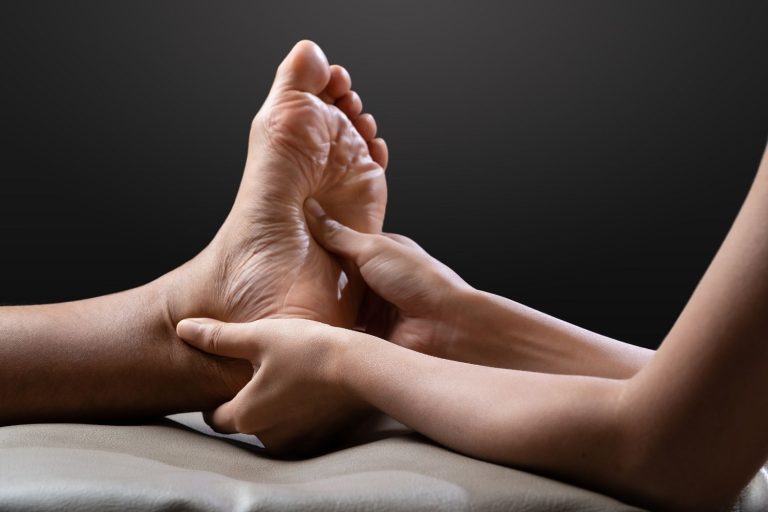
Therapists use customized exercises, splinting, manual therapy, and strengthening techniques to improve hand function and reduce discomfort.
Yes. Many patients seek occupational therapy to improve coordination, stability, and safety during daily activities. Therapists use targeted exercises and movement training to help patients improve body awareness and reduce fall risks.
Balance and coordination therapy may benefit:
- Seniors
- Stroke survivors
- Patients with neurological conditions
- Athletes recovering from injuries
- Individuals with vestibular disorders
Improving balance can significantly increase confidence and independence.
Patients should wear comfortable clothing that allows easy movement during therapy exercises. Depending on the area being treated, loose-fitting clothing may help therapists evaluate movement patterns and perform treatment techniques more effectively.
Supportive shoes are also recommended for patients participating in balance or mobility activities.
Home exercise programs are an important part of successful occupational therapy treatment. Therapists often provide exercises and activity recommendations that help reinforce progress between appointments.
Completing home exercises can help:
- Improve recovery speed
- Maintain flexibility and strength
- Enhance coordination
- Reduce stiffness
- Improve long-term outcomes
Consistency is key to achieving the best results from therapy.
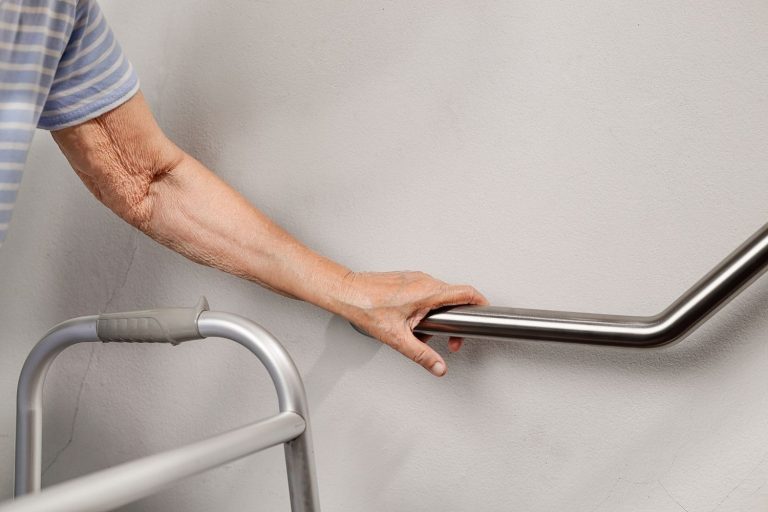
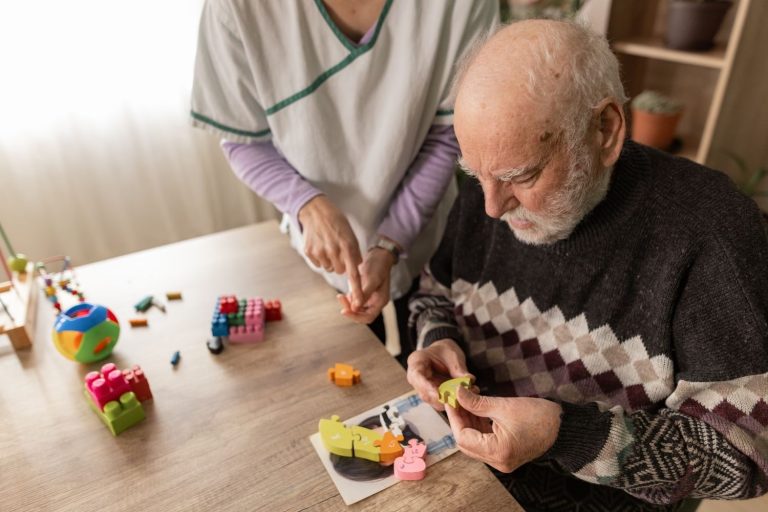
Absolutely. Occupational therapy plays an important role in helping older adults maintain independence and improve safety at home. Therapists may recommend exercises, mobility strategies, home modifications, and adaptive equipment to make daily activities easier and safer.
Occupational therapy for seniors often focuses on:
- Fall prevention
- Joint protection
- Energy conservation
- Safe mobility
- Adaptive daily living techniques
- Strength and coordination improvement
These strategies help older adults remain active and independent longer.
Why Choose Kinetic Physical Therapy and Wellness for Occupational Therapy in Greenville, NC?
Kinetic Physical Therapy and Wellness is committed to helping patients regain independence, improve function, and return to the activities they enjoy most. Our team provides compassionate, personalized care tailored to each patient’s unique goals and challenges.
Striving for greater independence and a better quality of life? Discover the benefits of personalized Occupational Therapy at Kinetic Physical Therapy and Wellness in Greenville, NC! Our dedicated therapists provide individualized care to help you regain the skills and confidence needed for daily activities, whether you’re recovering from an injury, managing a chronic condition, or adapting to new challenges. Take the next step toward independence—schedule your Occupational Therapy session today and start your journey to a more fulfilling life!
Please Share
Facebook
Twitter
LinkedIn
categories
Recent Posts
Occupational Therapy Frequently Asked Questions
Kinetic Physical Therapy and Wellness in Greenville, NC believes that individualized patient care is the key to optimal outcomes. Expert Care, Personalized Treatment, and Lasting Results.
If you are considering occupational therapy for yourself or a loved one, you likely have many questions about how treatment works, what conditions can be treated, and what to expect during therapy sessions. Understanding the answers to these common concerns can help you feel more confident when beginning care. Occupational therapy focuses on improving independence, restoring functional movement, and helping individuals perform daily activities more comfortably and safely.
At Kinetic Physical Therapy and Wellness, our experienced therapists work closely with patients of all ages to create customized treatment plans that support long-term success. Whether you are recovering from surgery, managing a neurological condition, or working to improve hand strength and coordination, our team is here to help. Below are some of the most common Occupational Therapy Frequently Asked Questions we receive from patients in Greenville, NC.
What Is Occupational Therapy?
Occupational therapy is a specialized healthcare service that helps individuals improve the physical, cognitive, and motor skills needed for daily living activities. These activities may include dressing, cooking, bathing, working, writing, driving, or participating in hobbies.
Through personalized treatment plans, occupational therapy helps patients regain independence, reduce discomfort, and improve overall quality of life. Treatment may involve exercises, adaptive equipment training, mobility techniques, and functional movement strategies tailored to each patient’s needs.
One of the most common Occupational Therapy Frequently Asked Questions involves the conditions occupational therapists can help treat. Occupational therapy can benefit patients experiencing:
- Stroke recovery
- Arthritis
- Hand and wrist injuries
- Neurological disorders
- Developmental delays
- Sports injuries
- Balance and coordination issues
- Post-surgical rehabilitation
- Chronic pain conditions
- Cognitive impairments
Occupational therapists help patients improve mobility, coordination, strength, and independence during daily tasks.
Although both therapies focus on improving function and recovery, they serve different purposes. Physical therapy primarily focuses on restoring movement, reducing pain, and improving strength and mobility throughout the body.
Occupational therapy, on the other hand, emphasizes helping patients perform daily tasks and activities independently. Occupational therapists often focus on fine motor skills, hand coordination, cognitive function, adaptive strategies, and functional living skills.
Many patients benefit from combining occupational therapy and physical therapy as part of a comprehensive recovery plan.
Occupational therapy can benefit individuals of all ages, from children to older adults. Patients who struggle with daily tasks due to injury, illness, surgery, or disability often experience significant improvements through therapy.
Some people who may benefit include:
- Individuals recovering from orthopedic surgery
- Stroke survivors
- Children with developmental challenges
- Athletes recovering from injuries
- Seniors experiencing balance or coordination problems
- Patients with arthritis or chronic pain
- Individuals with neurological conditions
Occupational therapy helps patients regain confidence and improve independence in everyday life.
Another common Occupational Therapy Frequently Asked Questions topic involves the initial evaluation process. During your first appointment, the occupational therapist will review your medical history, discuss your symptoms, and evaluate your current physical abilities and limitations.
The evaluation may include:
- Range of motion testing
- Strength assessments
- Hand coordination testing
- Functional movement evaluations
- Cognitive assessments
- Balance and mobility analysis
After the evaluation, the therapist develops a customized treatment plan based on your personal goals and daily activity needs.
Occupational therapy sessions vary depending on the patient’s condition and goals, but treatment often includes:
- Stretching and strengthening exercises
- Hand therapy techniques
- Fine motor skill training
- Functional task practice
- Adaptive equipment education
- Coordination and balance exercises
- Joint protection strategies
- Pain management techniques
Each session is designed to help improve daily function and overall independence.
The duration of occupational therapy depends on the severity of the condition, treatment goals, and individual progress. Some patients may only require a few weeks of therapy, while others benefit from ongoing care over several months.
Factors that affect recovery timelines include:
- Type of injury or condition
- Consistency with therapy attendance
- Participation in home exercise programs
- Overall health and fitness
- Surgical recovery requirements
Your therapist will regularly assess your progress and adjust your treatment plan as needed.
Yes. Occupational therapy is extremely beneficial after many types of surgeries, especially procedures involving the hands, wrists, shoulders, elbows, or neurological system.
Post-surgical occupational therapy may help:
- Restore mobility
- Improve strength
- Reduce swelling
- Decrease stiffness
- Improve coordination
- Promote safe movement
- Help patients return to work and daily activities
Early therapy intervention often leads to improved long-term outcomes.
Hand therapy is a specialized area of occupational therapy that focuses on treating injuries and conditions affecting the hands, wrists, and upper extremities.
Hand therapy can help treat:
- Carpal tunnel syndrome
- Tendon injuries
- Fractures
- Arthritis
- Nerve injuries
- Post-surgical hand conditions
- Sports-related hand injuries
Therapists use customized exercises, splinting, manual therapy, and strengthening techniques to improve hand function and reduce discomfort.
Yes. Many patients seek occupational therapy to improve coordination, stability, and safety during daily activities. Therapists use targeted exercises and movement training to help patients improve body awareness and reduce fall risks.
Balance and coordination therapy may benefit:
- Seniors
- Stroke survivors
- Patients with neurological conditions
- Athletes recovering from injuries
- Individuals with vestibular disorders
Improving balance can significantly increase confidence and independence.
Patients should wear comfortable clothing that allows easy movement during therapy exercises. Depending on the area being treated, loose-fitting clothing may help therapists evaluate movement patterns and perform treatment techniques more effectively.
Supportive shoes are also recommended for patients participating in balance or mobility activities.
Home exercise programs are an important part of successful occupational therapy treatment. Therapists often provide exercises and activity recommendations that help reinforce progress between appointments.
Completing home exercises can help:
- Improve recovery speed
- Maintain flexibility and strength
- Enhance coordination
- Reduce stiffness
- Improve long-term outcomes
Consistency is key to achieving the best results from therapy.
Absolutely. Occupational therapy plays an important role in helping older adults maintain independence and improve safety at home. Therapists may recommend exercises, mobility strategies, home modifications, and adaptive equipment to make daily activities easier and safer.
Occupational therapy for seniors often focuses on:
- Fall prevention
- Joint protection
- Energy conservation
- Safe mobility
- Adaptive daily living techniques
- Strength and coordination improvement
These strategies help older adults remain active and independent longer.
Why Choose Kinetic Physical Therapy and Wellness for Occupational Therapy in Greenville, NC?
Kinetic Physical Therapy and Wellness is committed to helping patients regain independence, improve function, and return to the activities they enjoy most. Our team provides compassionate, personalized care tailored to each patient’s unique goals and challenges.
Striving for greater independence and a better quality of life? Discover the benefits of personalized Occupational Therapy at Kinetic Physical Therapy and Wellness in Greenville, NC! Our dedicated therapists provide individualized care to help you regain the skills and confidence needed for daily activities, whether you’re recovering from an injury, managing a chronic condition, or adapting to new challenges. Take the next step toward independence—schedule your Occupational Therapy session today and start your journey to a more fulfilling life!
Please Share
Facebook
Twitter
LinkedIn